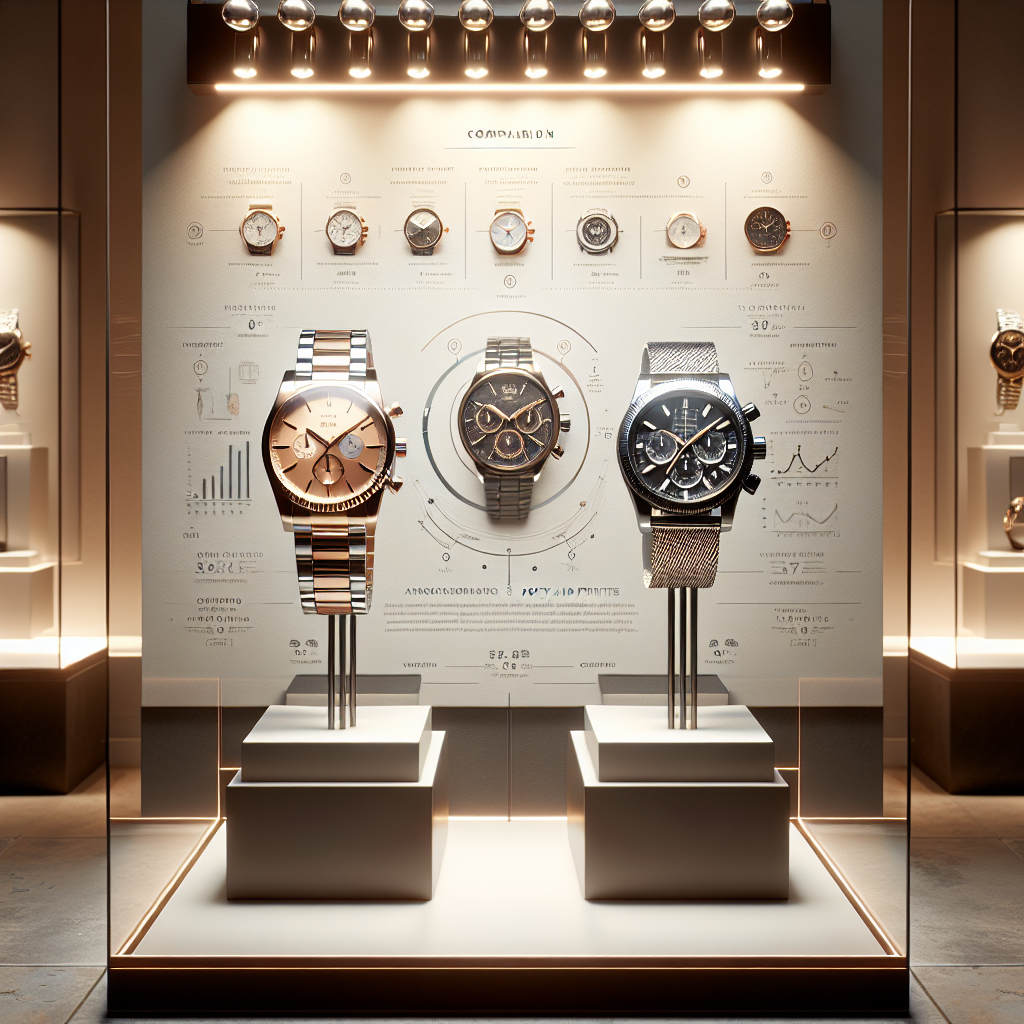
The article from PrestigeTime.com frames the TAG Heuer vs. Rolex debate as less of a simple “which is best?” verdict and more of a clear-eyed look at what separates the two brands.
At the center of the comparison is the idea that both names carry serious recognition, but they occupy different positions in the watch world. Rolex is presented as the benchmark luxury brand—one whose reputation often leads conversations about prestige, long-term desirability, and what many people imagine when they think of a high-end Swiss watch. TAG Heuer, by contrast, is positioned as a major Swiss brand with a different value proposition—one that attracts buyers looking for the brand’s particular style, offerings, and price-to-entry relative to Rolex.
The article’s narrative leans into the practical questions buyers tend to ask when they’re deciding between these two logos on the dial:
– What, exactly, are you paying for with each brand?
– Where do the differences show up most clearly when you compare them side by side?
– And how should a shopper think about “best” when the two brands are aiming at different priorities?
Rather than treating the choice as purely emotional—or purely technical—the piece reads like a guide meant to help shoppers recognize that the “right” answer depends on what they want their watch to represent. For someone chasing the strongest luxury signaling and the brand aura Rolex is known for, the comparison naturally pulls in that direction. For someone who wants a Swiss watch from a globally known name but with a different balance of cost, style, and brand identity, TAG Heuer is framed as a legitimate alternative.
In the end, the article makes the rivalry compelling because it’s familiar: two famous Swiss watch brands, often cross-shopped, but not actually trying to be the same thing. The takeaway isn’t that one brand universally wins—it’s that knowing what each brand is “best at” is the real shortcut to making a confident decision.
Leave a Reply