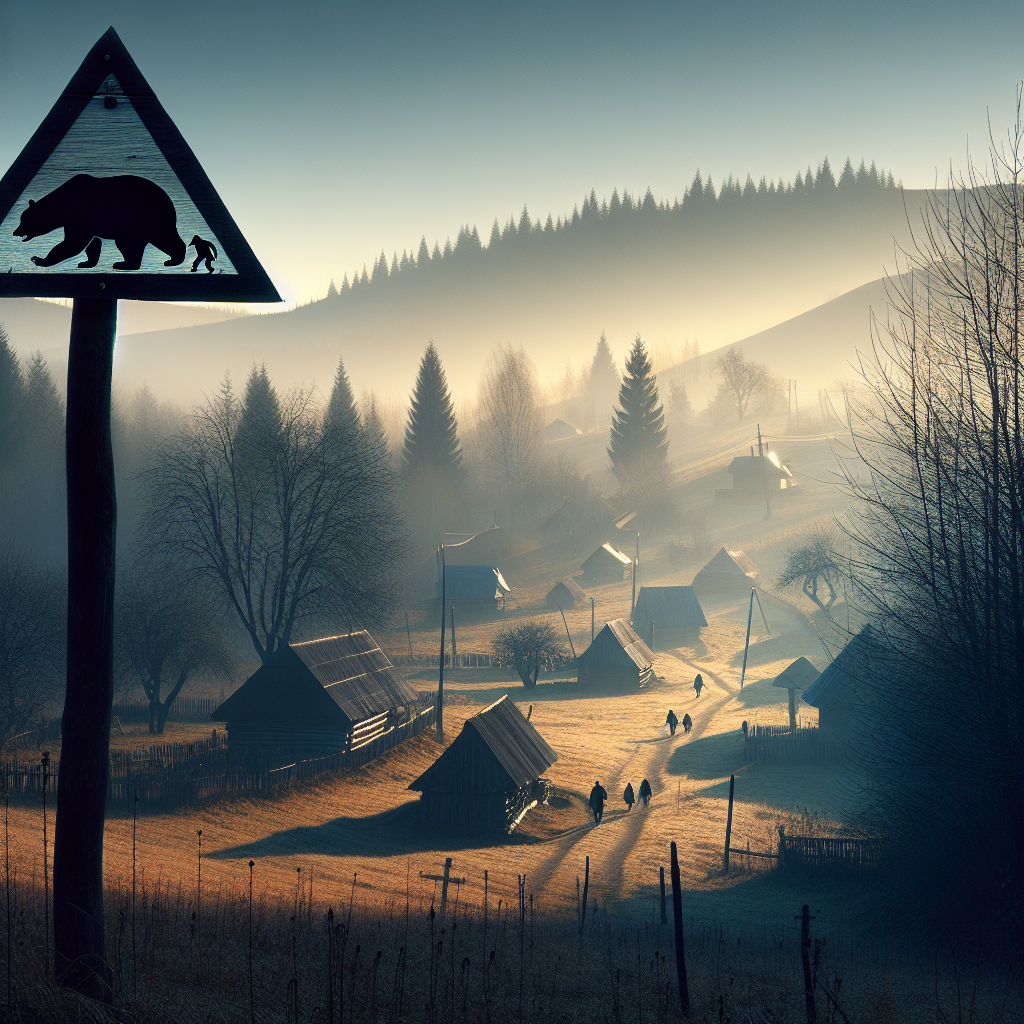
Japan is seeing more run-ins between people and wild bears, and a Reuters report frames the trend as a growing test for how the country manages wildlife risk.
The article points to a simple but unsettling reality: conflict is rising. As encounters increase, the people responding most directly are often hunters—described as aging—who are increasingly the ones called to deal with dangerous situations. That puts pressure not only on individuals in the field, but also on the broader system that relies on them.
Reuters also highlights the seasonal rhythms that shape the problem. Bears hibernate during winter, lowering their body temperature and living off stored fat. The detail underscores that bear behavior changes over the year, and so does the pattern of risk for communities.
Taken together, the report suggests Japan is at an inflection point. With more bear attacks and a front line staffed by older hunters, the country faces renewed calls to rethink how it manages the growing danger—before the next encounter becomes another headline.
Leave a Reply