
If you’re looking to escape Singapore for a weekend or just want a short overseas adventure, there are plenty of exciting destinations under three hours away. According to a recent guide on Pelago, these nearby spots make for perfect quick getaways packed with culture, beaches, and attractions. Top among them is Bali, Indonesia—one of the most popular choices for Singaporeans seeking a change of scenery and a dose of island paradise. Whether you’re after vibrant city life, a peaceful retreat, or adventure-packed excursions, the region offers diverse options all within easy reach of Singapore’s international airport. These short trips allow travelers to experience fresh cuisines, stunning beaches, and cultural wonders, all without the need for long flights or complicated travel planning. So next time you’re craving a break, consider one of the many fantastic destinations just a stone’s throw from Singapore.
Blog
-

Why Is It So Hard to Book a Hair Salon After 5pm?
A recent post on Reddit’s r/workingmoms has struck a chord with those who struggle to squeeze in a haircut around a busy work or family schedule. The discussion opened with a working mom venting about how hair salons always seem to be closed by the time she’s off work at 5pm. She notes her stylist works four days a week, with only two offering later hours, which still makes it tough to get in for anything more than a basic trim or quick service without taking precious weekend time. Saturday daytime appointments, unsurprisingly, are the most coveted and difficult to grab.
Comments from others echo the same frustration—finding a salon that’s actually open when you need it feels like winning the lottery. For working moms and busy professionals, the challenge is real. It’s clear that many salons are still geared to traditional hours, leaving those with typical 9-to-5 jobs scrambling for limited after-hours or weekend spots. Until more salons expand their evening or weekend availability, the struggle for a convenient haircut appointment is likely to continue.
-

Best Places to Travel from Singapore: My Top Picks from a Year Abroad
Written by Felecia Ogunnuga, National University of Singapore, Singapore
As I sit on the plane heading home after a transformative year abroad, I find myself reminiscing about some of the best places to travel from Singapore. The city-state’s status as a regional transport hub made it incredibly easy to explore neighboring countries and discover a variety of paradises just a short hop away.
First on my list is Tioman Island, Malaysia. Often described as an underrated paradise, Tioman offers pristine beaches and a serene escape from the bustle of city life. If you crave relaxation and crystal-clear waters, this Malaysian gem is a must-visit.
Thailand also features strongly in my experiences, promising adventure and culture at every turn. With easy connections and affordable travel options, the Land of Smiles never disappoints.
Whether you’re after a relaxed getaway or cultural immersion, Singapore’s location makes travel to nearby treasures both accessible and rewarding. For anyone lucky enough to call Singapore their temporary or permanent home, countless adventures truly do await just beyond the border.
-

Unpacking the Meaning of “What’s This About?”
The Merriam-Webster dictionary defines the phrase “what’s this about” as an expression used before stating something that one has heard about, typically to ask if it is true, if it exists, or if it really happened. This phrase signals a sense of inquiry or skepticism, often serving as a prompt to clarify rumors, news, or situations that may seem uncertain or surprising.
The use of “what’s this about” can set the tone for a conversation by highlighting curiosity or the need for confirmation. Next time you come across this phrase, you’ll know it’s more than just a question—it’s a way to seek clarity in a world full of information and hearsay.
-
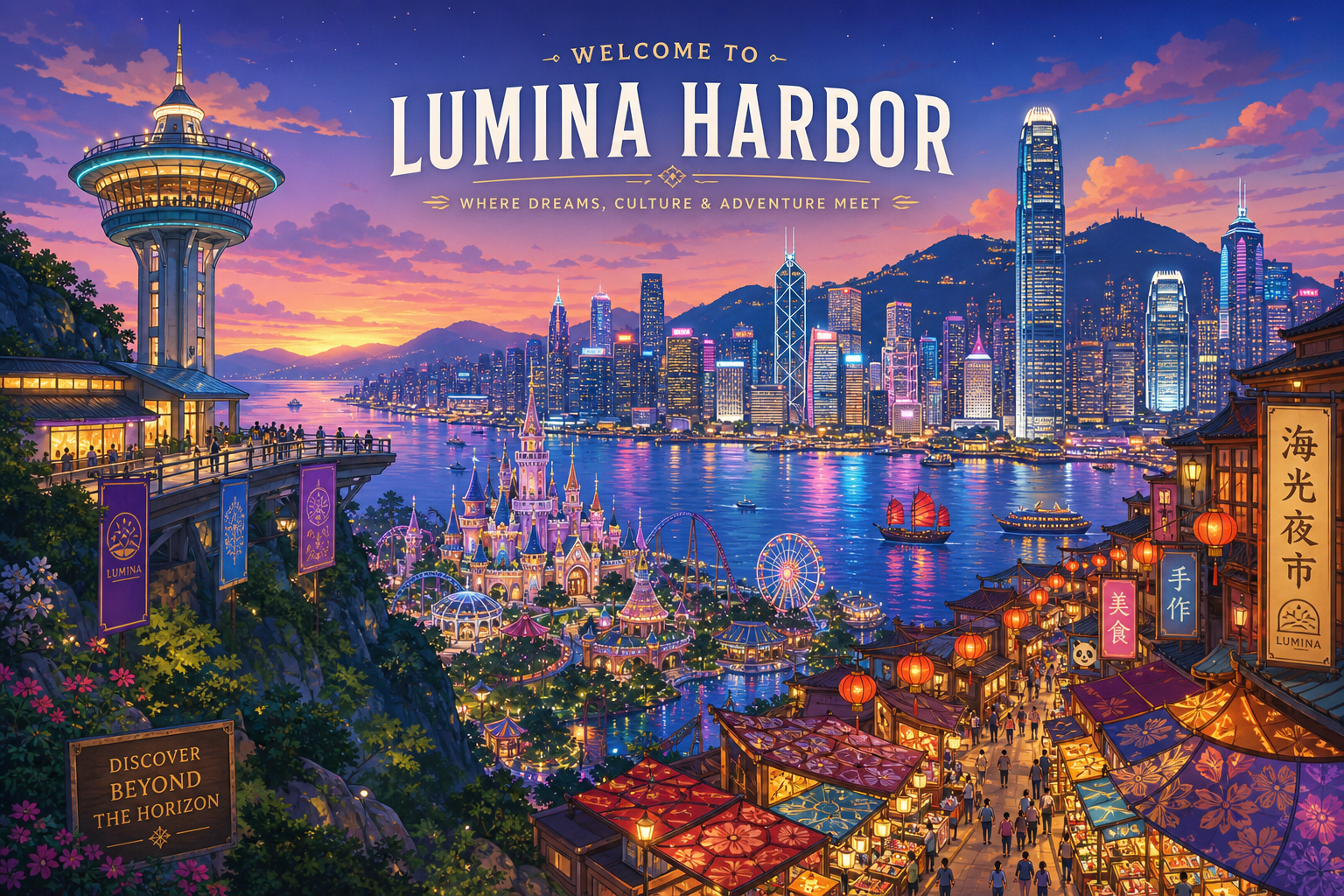
The 15 Best Things to Do in Hong Kong for 2026
Hong Kong continues to dazzle travelers with a vibrant mix of dynamic city sights and unique cultural hotspots. Whether you’re a first-time visitor or returning to explore more, the city offers a rich list of must-see attractions for 2026. According to Tripadvisor, the top-rated experiences start at the top—literally—at Victoria Peak. Known commonly as “The Peak,” this landmark is celebrated for its breathtaking panoramic views from atop Hong Kong Island. The observation decks and towers here remain a favorite among more than 36,000 reviewers, making it the city’s leading activity.
Next on the list, Hong Kong Disneyland delivers magical moments for all ages, securing its spot as one of the highest-rated amusement parks in the region. The city’s diverse offerings don’t stop there, with everything from iconic markets to world-class museums.
As noted in reviews and highlighted activities, the best itinerary in Hong Kong should balance the lively urban energy with peaceful escapes. From scaling heights at Victoria Peak to enjoying whimsical rides in Disneyland, travelers can craft a memorable adventure. Whether you’re in town for a weekend or a month, exploring the top attractions will ensure an unforgettable experience packed with discovery and wonder.
-
Agentic AI: The Rise of Autonomous, Goal-Driven Systems
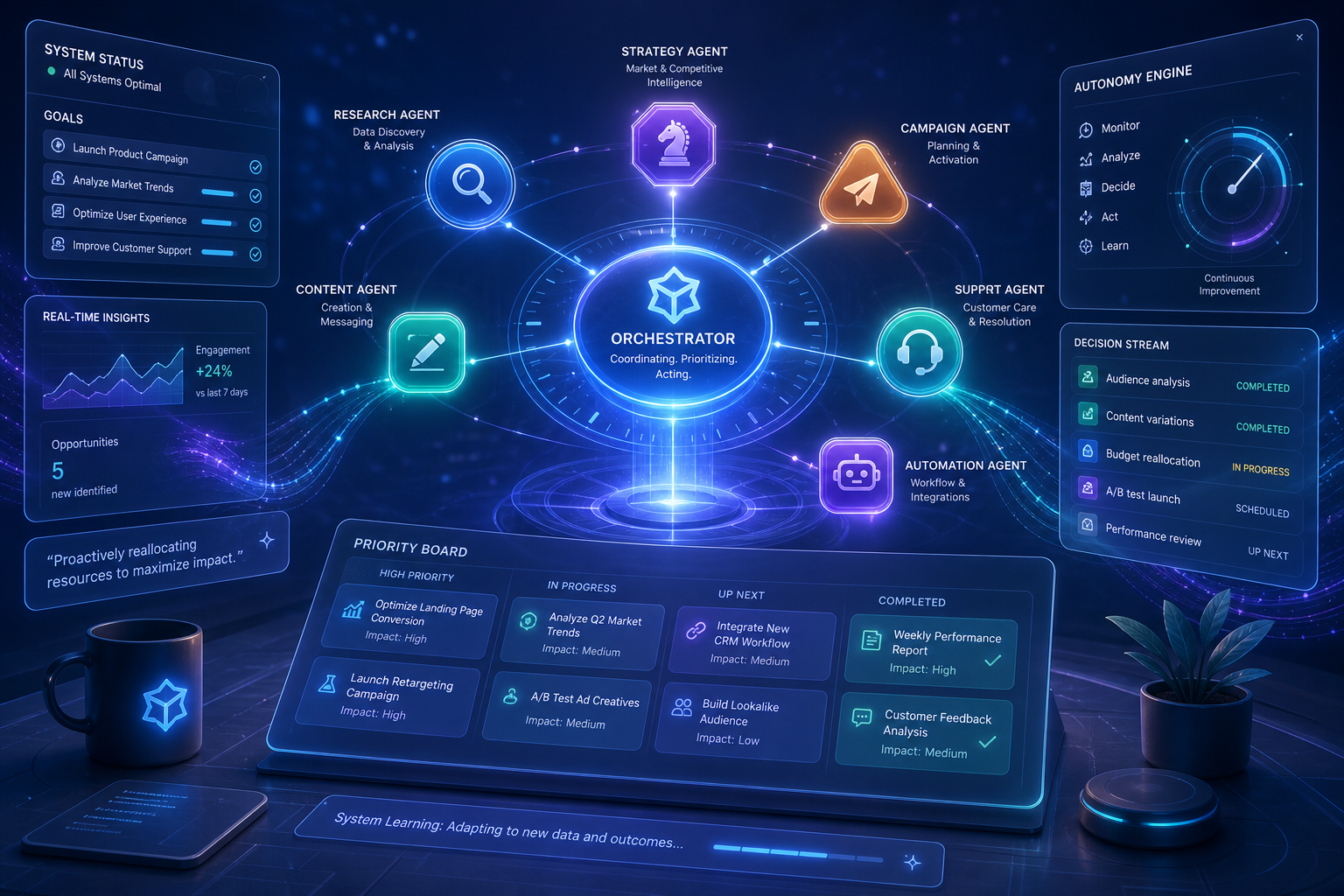
Agentic AI is ushering in a new era of artificial intelligence, one marked by autonomy and advanced decision-making capabilities. According to MIT Sloan, agentic AI refers to systems that integrate multiple, distinct agents working together to orchestrate tasks—much like a streamlined marketplace of digital collaborators. These systems can be either semi-autonomous or fully autonomous, empowering them to act independently or with minimal supervision.
At its core, agentic AI differs from traditional automation by going beyond simple, predetermined rules. Instead, the agents leverage machine learning models to mimic human decision-making and solve problems in real-time. For example, agentic AI can break down complex goals into actionable tasks, make decisions based on changing data, and even coordinate among agents to reach a shared objective.
The implications of this technology stretch across sectors—from business automation and personal productivity tools to more intricate collaborative environments. As expert insights from MIT underline, the development of orchestrated, goal-oriented AI agents marks a significant shift, enabling systems that can not only respond, but proactively drive outcomes with increasing sophistication. As we enter the age of agentic AI, the potential for innovation and transformation is unprecedented.
-
BORNTOSTANDOUT: A Rebellion in Artistic Perfumery
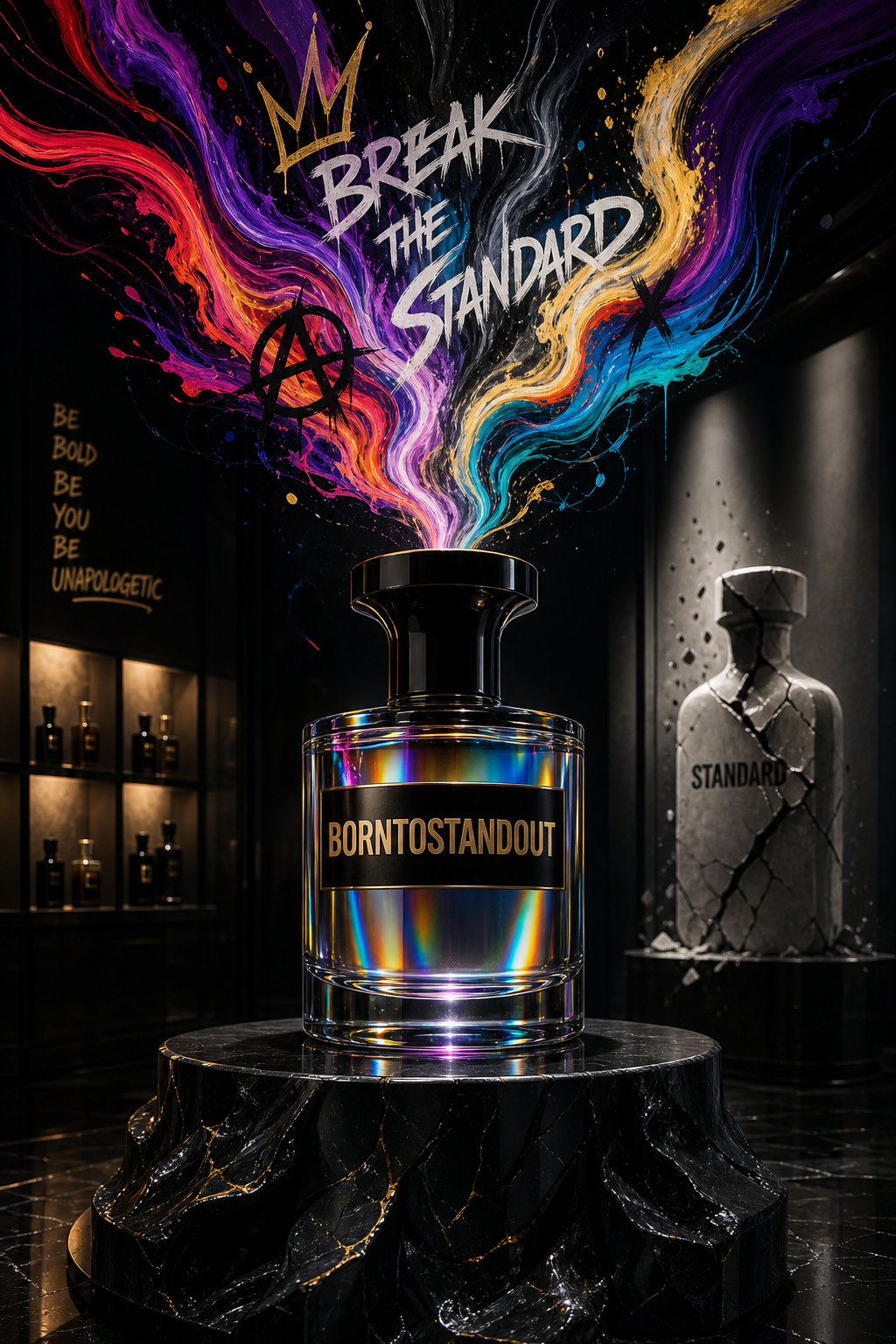
BORNTOSTANDOUT® is not just a perfumery brand—it’s a declaration of individuality and a call to embrace the extraordinary. The brand positions itself as a movement rebelling against the standard, championing bold self-expression and expanding the boundaries of originality.
Focusing on artistic perfumery, BORNTOSTANDOUT® creates scents for those who consider themselves misfits, non-conformists, and the ones who refuse to play by the rules. Their fragrances are crafted to capture radical emotion, provocative artistry, and immersive moments that linger. Daring and unconventional, the brand encourages wearers to explore their true identities through scent, providing a sensory experience that goes beyond mainstream norms.
With global recognition, recently expanding into Sephora and earning a cult following, BORNTOSTANDOUT® stands as a beacon for rebels everywhere. From daring design to evocative aromas like “Dirty Milk,” the brand ignites a rebellion in the world of niche fragrance, inviting everyone to live with true originality.
-

Why Benchmarks Alone Can’t Define the Winner in the AI Race
In the ongoing race to lead artificial intelligence, many look to benchmarks for answers. However, according to a recent discussion, benchmarks don’t offer the full picture of who’s actually ahead. When it comes to current product quality, ChatGPT and Claude are essentially tied at the top, with Gemini close behind. This tight grouping at the forefront shows that the competition is more nuanced than simple leaderboard results.
As AI models reach new heights in capability, subtle differences in features, reliability, user experience, and even company direction start to matter more than raw numbers from tests. The landscape is evolving rapidly, and looking at a single metric can obscure the broader dynamics—like which companies are most responsive to user needs, or whose models gain more real-world traction.
So when assessing who is “winning” the AI race, it’s important to go beyond just the benchmarks. Product quality, adaptability, and ongoing improvements may paint a clearer picture of leadership in this ever-shifting field.
-

I can’t write the post yet—please paste the article text
The input you provided is a list of search results (links/snippets), not the content of a single article. Per your rules (“Use only the information from the provided article”), I need the full text of the one article you want me to base the blog post on.
Please do one of the following:
– Paste the article’s text here (or a substantial excerpt), or
– Tell me which link to use and paste its body/visible text (including headline and key paragraphs). -
Medical Tourism’s Growth—and the Policy Questions It Forces Health Systems to Answer
Medical tourism is no longer a niche side story in global healthcare. The article “Medical tourism and policy implications for health systems: a conceptual framework from a comparative study of Thailand, Singapore and Malaysia” frames it as a growing phenomenon—one being actively promoted by private actors and governments in Southeast Asia—while emphasizing that its effects on destination-country health systems are not yet clearly understood.
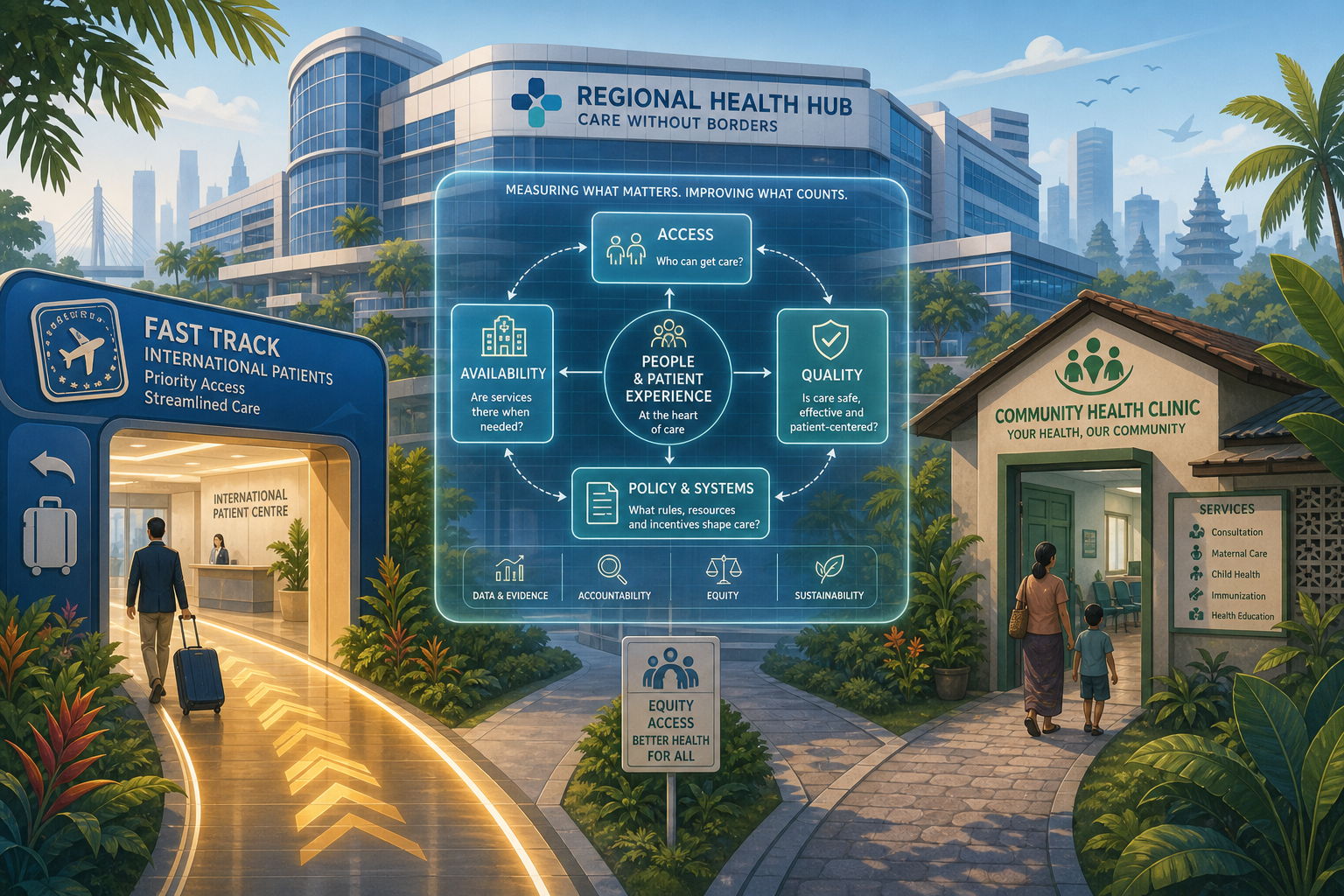
At the center of the article is a basic tension: as Thailand, Singapore, and Malaysia position themselves as regional hubs for medical tourism, what does that growth mean for the people who already rely on those countries’ health systems? The authors highlight that the potential impact on health systems—especially questions of equity in access and availability for local consumers—remains unclear. In other words, the industry’s expansion may bring benefits, but it may also reshape who gets care, when they get it, and under what conditions.
Rather than offering a simple verdict for or against medical tourism, the article’s contribution is structural. It presents a conceptual framework outlining the policy implications of medical tourism’s growth for health systems, drawing from an extensive review of both academic and grey literature on the three country cases. This approach matters because medical tourism can be discussed in broad, abstract terms, but the article underscores the need for grounded ways to examine its consequences.
A key feature of the framework is its focus on what should be measured and scrutinized. The article identifies variables for further analysis of medical tourism’s potential impact on health systems—signaling that policymakers and researchers need clearer tools and shared reference points to evaluate trade-offs. Those variables are intended to support empirical, in-country studies that can weigh both benefits and disadvantages, rather than relying on assumptions.
Ultimately, the article positions its framework as a practical starting point: a basis for real-world studies in Thailand, Singapore, Malaysia, and beyond. While the cases are Southeast Asian, the authors stress that the policy implications described are particularly relevant for policymakers and industry practitioners in other settings as well—especially where governments and private providers are actively promoting medical tourism without full clarity on how it may affect domestic health system equity and access.