As of August 28, 2026, traveling to Europe has undergone several important changes that visitors should know to ensure a smooth and enjoyable trip. Here’s a comprehensive overview of what to expect.
**EU Entry/Exit System (EES)**
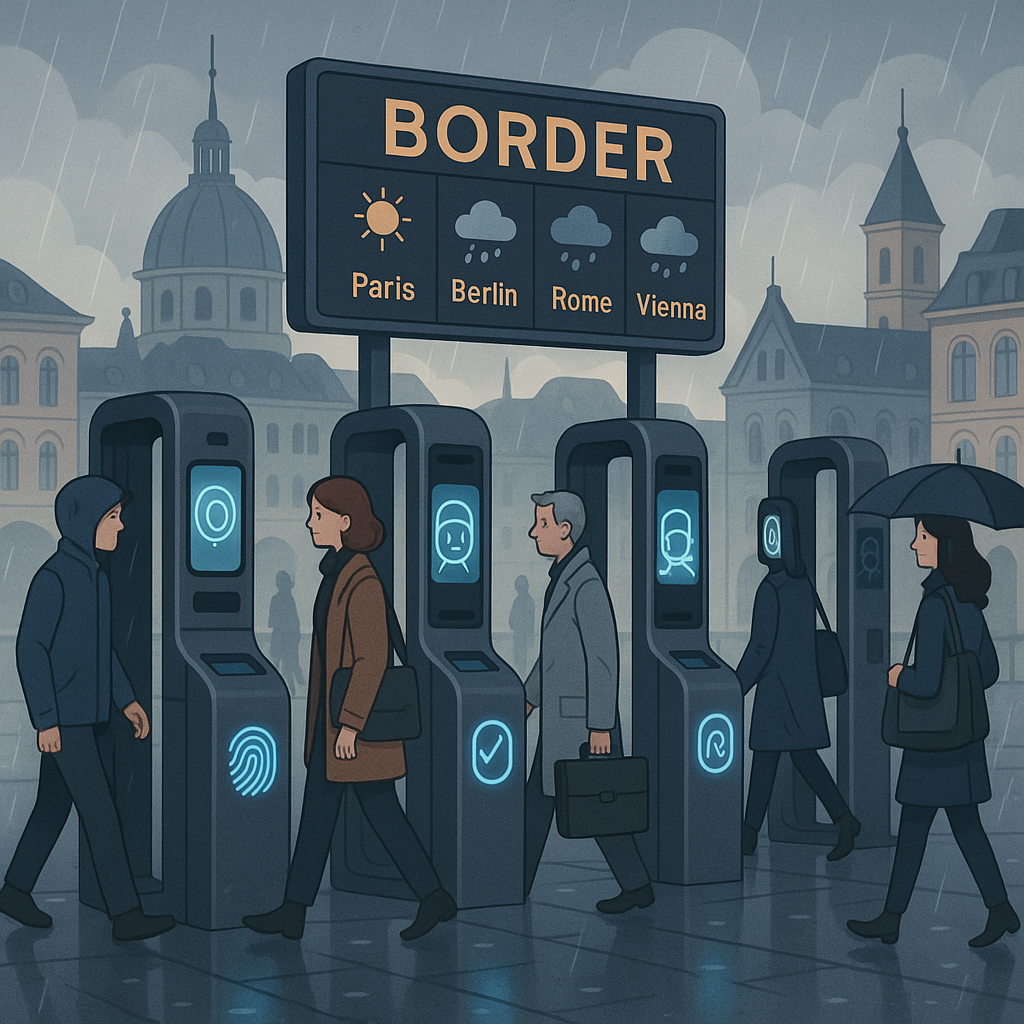
Since April 10, 2026, all non-EU travelers entering or leaving the Schengen Area are processed through the new EU Entry/Exit System. This biometric system collects fingerprints and facial scans, replacing traditional passport stamps. It is designed to bolster border security and speed up entry and exit procedures, marking a significant shift in how travelers interact with European borders.
**European Travel Information and Authorization System (ETIAS)**
Initially expected before the end of 2026, the ETIAS pre-travel authorization system for visa-exempt visitors has been postponed indefinitely. This means travelers currently do not need to apply for an ETIAS permit, easing one potential hurdle for entering Europe.
**United Kingdom’s Electronic Travel Authorization (ETA)**
Separately, the UK has implemented its own mandatory Electronic Travel Authorization system as of April 2026. Travelers from visa-exempt countries, such as Singapore, must apply for the ETA online before arrival. The authorization, costing £20, lasts for two years and is essential for entry into the UK.
**Weather Across Europe**
Current weather conditions vary widely:
– Paris, France: Heavy rain with temperatures around 65°F (18°C).
– Berlin, Germany: Light rain and mild temperatures near 67°F (20°C).
– Rome, Italy: Very hot and partly sunny skies, soaring to 102°F (39°C).
– Madrid, Spain: Mostly sunny and pleasant temperatures around 54°F (12°C).
– London, UK: Mostly sunny and mild at 61°F (16°C).
Travelers should pack accordingly and stay updated with local forecasts to stay comfortable.
**Energy and Infrastructure Considerations**
Europe recently faced a severe heatwave in early August 2026, prompting power plant shutdowns in countries like France, Italy, Poland, Hungary, Romania, and Slovenia. This has put significant strain on the electricity grid, so visitors should be prepared for potential energy shortages or disruptions during their stay.
**Travel Tips for 2026**
– Stay informed by regularly consulting official government and travel websites for the latest entry requirements and advisories.
– Plan accommodations and transportation ahead of time due to possible energy-related disruptions.
– Take health precautions seriously, particularly in regions experiencing extreme weather.
By understanding these new systems, anticipating the weather, and preparing for infrastructure challenges, travelers can confidently navigate Europe’s evolving landscape in 2026 and enjoy a richer travel experience.
Leave a Reply