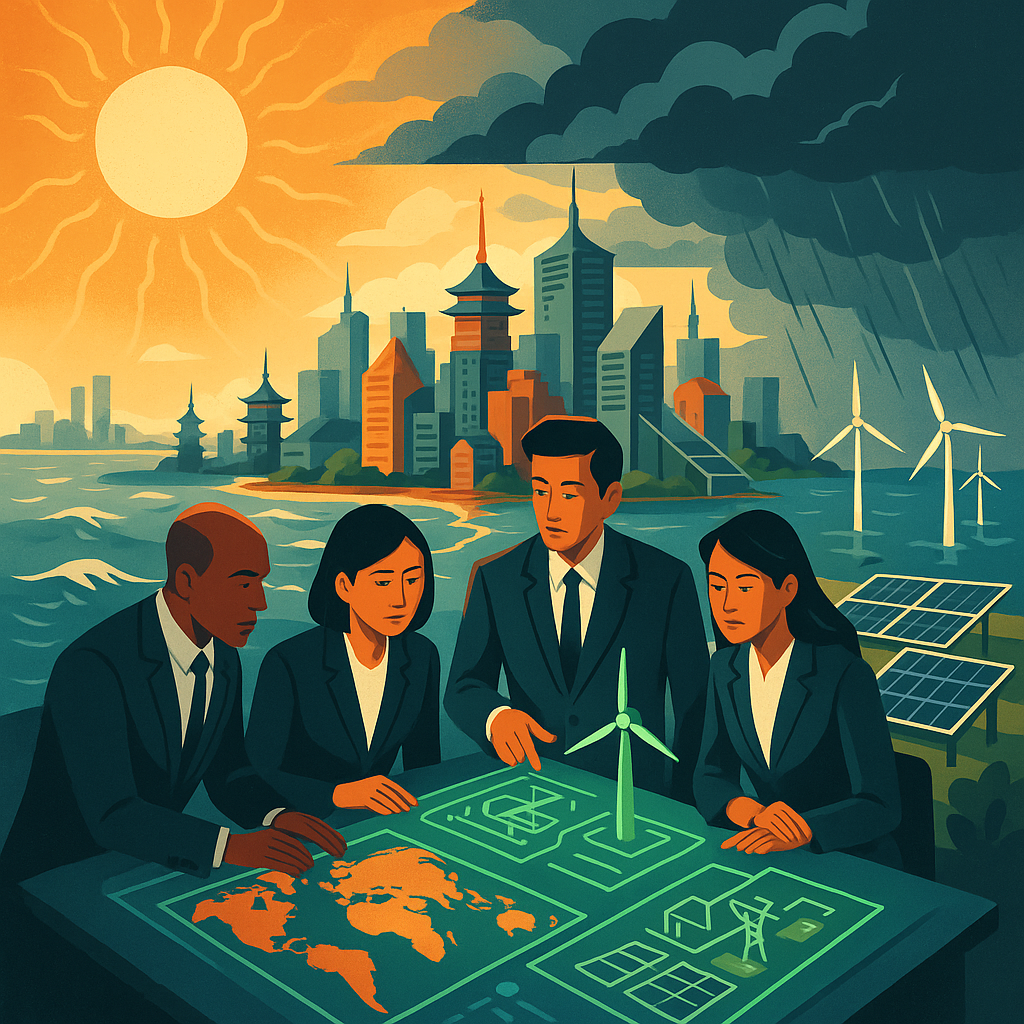
Asia stands at a critical juncture as it faces the dual challenge of physical and transition risks brought about by climate change. The recent article from ESG Atlas Asia sheds light on these pressing concerns, urging businesses across the continent to deepen their understanding and adapt strategically to thrive in an evolving landscape.
The article delineates climate risks into two main categories. Physical risks encompass direct environmental impacts such as flooding, heatwaves, and rising sea levels—events that are increasingly frequent along Asia’s extensive coastlines and rapidly urbanizing regions. Meanwhile, transition risks stem from the global shift towards a low-carbon economy. These include regulatory changes, shifts in market dynamics and consumer preferences, technological disruptions, and potential reputational damages.
Asia’s vulnerability is underscored by its heavy dependence on fossil fuels, making the continent particularly sensitive to regulatory and market adjustments that accompany the worldwide decarbonization efforts. The urgency for businesses to adapt is clear: failure to integrate climate risk considerations could jeopardize financial outcomes and long-term viability.
To navigate these challenges, the article advocates for a proactive approach. Companies are encouraged to embed climate risk assessments into their strategic planning, develop detailed risk registers to prioritize critical vulnerabilities, and rigorously evaluate the financial implications of transition risks on their core operations. Such steps not only facilitate compliance with emerging climate disclosures but also aid in identifying opportunities within burgeoning low-carbon sectors.
Embracing climate transition risks as strategic imperatives allows Asian businesses to boost resilience, foster innovation, and sharpen their competitive edge amid the global shift to sustainability. This forward-thinking stance is essential not just for risk management but also for unlocking new avenues of growth in Asia’s green economy future.
Leave a Reply