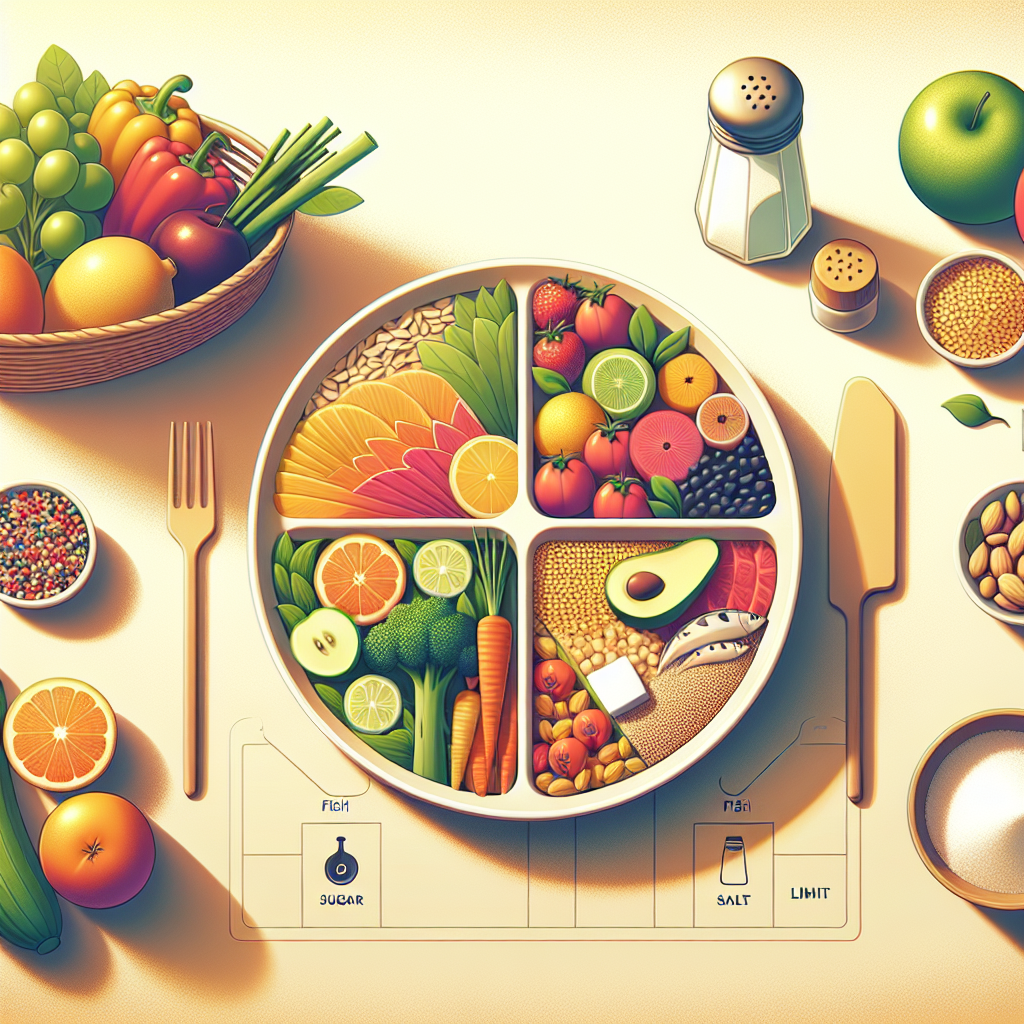
A “healthy diet” can sound like a moving target—new headlines, new trends, new rules. But taken together, the guidance highlighted across major public-health and medical organizations points in a consistent direction: build meals around a wide variety of nutrient-dense foods and keep added sugars and excess sodium in check.
## Variety first, “nutrient-dense” always
The World Health Organization’s healthy diet fact sheet emphasizes eating a wide variety of nutrient-dense foods. The examples it highlights—fruits, vegetables, whole grains, legumes, nuts, seeds, and lean animal-source foods—paint the picture of a plate built from whole or minimally processed staples rather than a narrow set of “superfoods.”
## A practical shopping-list approach
The CDC’s healthy eating tips echo that same foundation but frame it as simple, everyday choices: prioritize vegetables, fruits, whole grains, healthy fats, and protein—along with dairy options that don’t come with added sugars. It’s less about perfection and more about routinely choosing foods that provide key nutrients.
## Heart health and the protein shift
The American Heart Association’s diet and lifestyle recommendations underline that diet is central to preventing and managing cardiovascular disease. One highlighted theme: shifting protein choices toward plant sources such as beans, peas, lentils, and nuts, while also regularly consuming fish and seafood and choosing lower-fat options.
## More than what you eat
Canada’s healthy eating recommendations add an important dimension: healthy eating isn’t only about the foods themselves. It also includes where, when, why, and how you eat—an invitation to pay attention to habits and context, not just nutrients.
## The “balanced diet” basics
The UK’s NHS guidance on eating a balanced diet focuses on the major food groups and how to balance them, including the common public-health message to eat at least five portions of a variety of fruits and vegetables.
## A shared takeaway
Across these sources, the narrative is strikingly aligned: aim for variety, lean into fruits and vegetables, choose whole grains and legumes often, and be mindful of added sugars and sodium. The details may differ by organization and audience, but the throughline is steady—healthy eating is built on consistent patterns, not quick fixes.
Leave a Reply