The pandemic’s most visible disruptions to global trade were often measured in empty shelves and delayed deliveries. But one article highlights a less obvious choke point in the supply chain: the rules that ports imposed on vessels and crews during COVID-19—and how those restrictions translated into fewer container ship sailings and rising risk for trade flows.
Because close to 80% of trade moves by sea, even small operational constraints can ripple outward. According to the article, many key ports introduced restrictions on vessels and crew as part of COVID-19 containment policies. Among the most consequential were prohibitions that effectively stopped crew changes. When seafarers can’t be rotated on and off ships, the maritime system doesn’t just become inconvenient—it becomes harder to operate reliably.
To show the effect, the article points to satellite data tracking ship movements. The pattern is stark: sailings to destinations with crew-change restrictions fell by almost 20% for container ships compared with previous years. In other words, policy choices designed for public health had an unintended side effect—reducing the frequency of container services to certain ports right when supply chains were already under stress.
The bigger lesson is that shipping isn’t only about ships and ports; it’s also about people. Container vessels depend on functioning labor routines and predictable port procedures. When those routines are disrupted, the damage can show up as fewer sailings, disrupted trade flows, and strained supply chains.
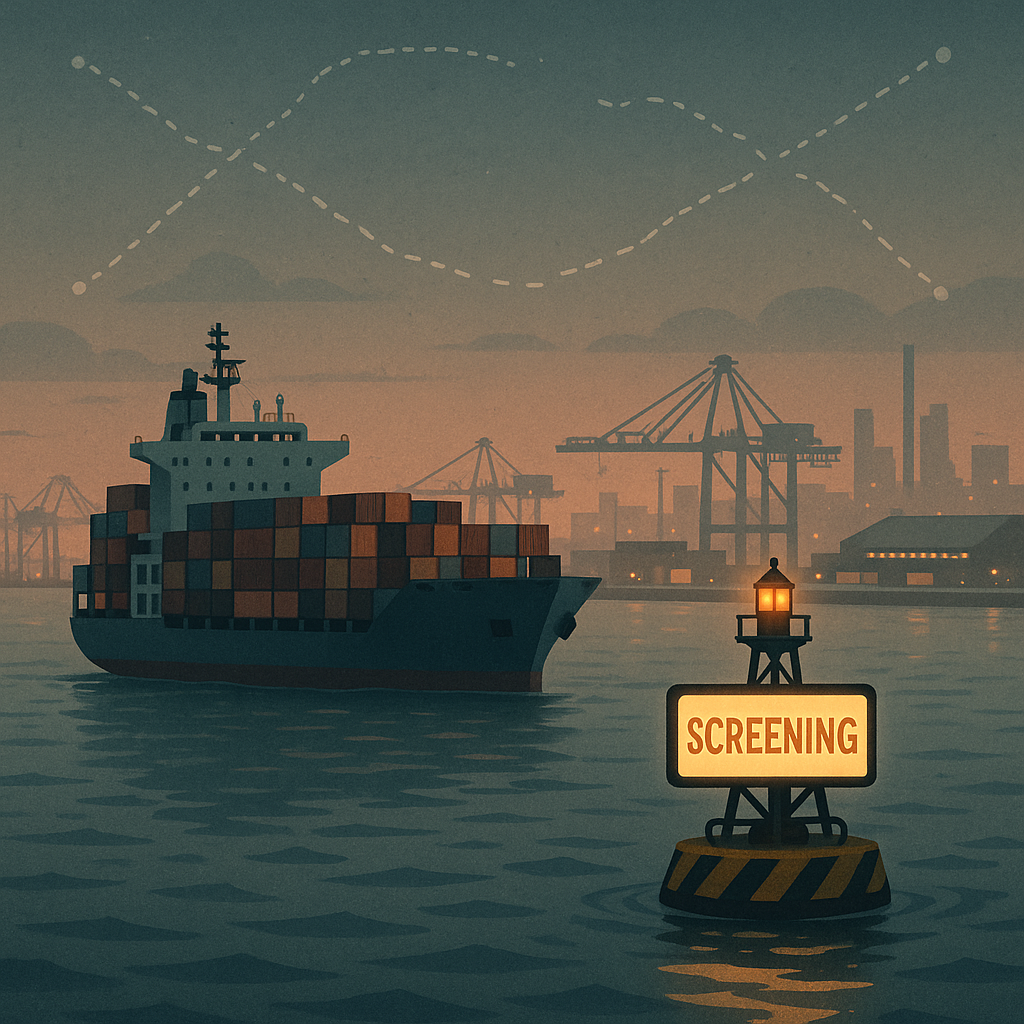
The article argues that a more flexible approach is needed—regulations that rely on screening and discretion rather than blanket prohibitions—so freight distribution can continue and supply chains don’t take what it calls a “double hit.” In a crisis, the challenge isn’t choosing between health and trade; it’s designing rules that protect health while keeping the essential machinery of global transport moving.
Leave a Reply