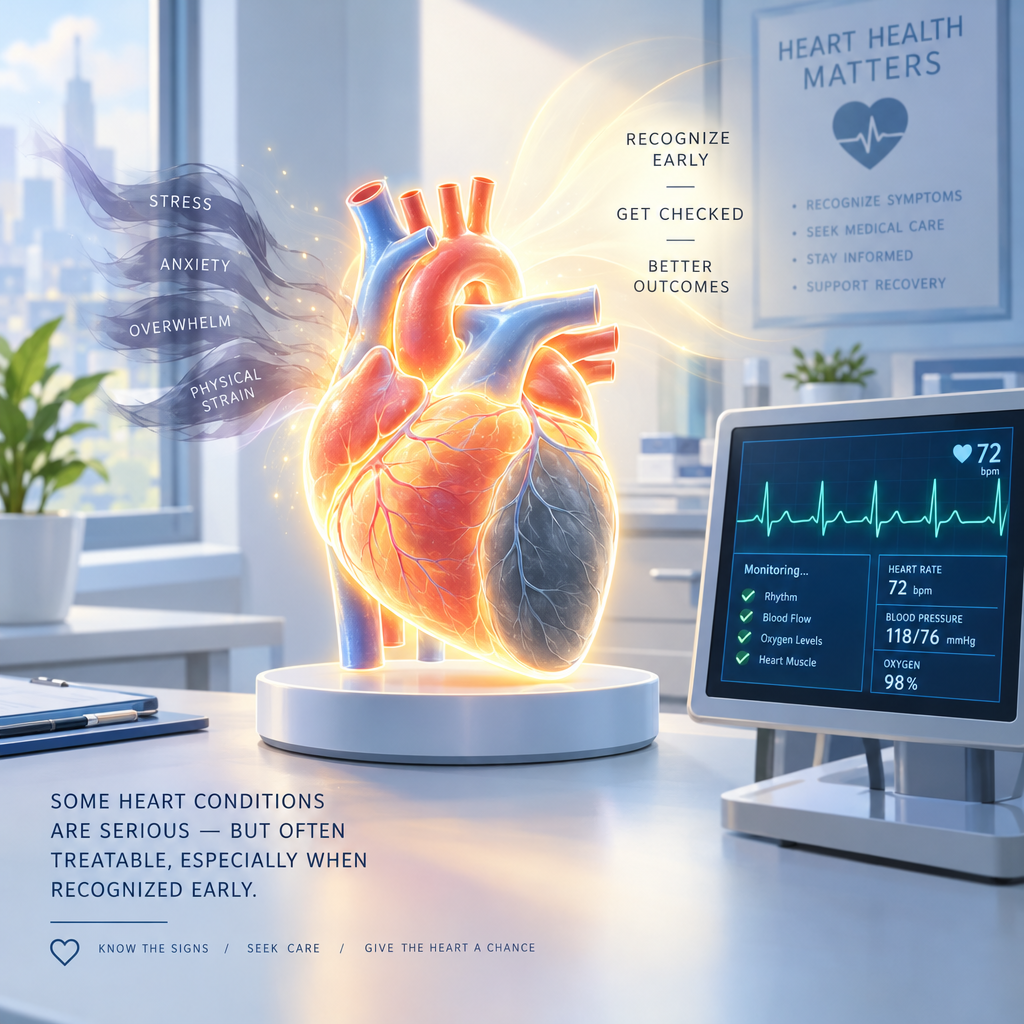
“Broken-heart syndrome” may sound like a figure of speech, but Takotsubo cardiomyopathy is a real condition: part of the heart temporarily weakens, sometimes after intense emotional or physical stress. Its symptoms and test results can resemble a heart attack, making prompt recognition important.
A U.S. analysis of hospital records examined 199,890 adults diagnosed with the condition from 2016 to 2020. Among these hospitalized patients, 6.5% died in the hospital, and that rate did not significantly improve during the study period. Women made up 83% of cases, yet the reported in-hospital death rate was higher among men: 11.2%, compared with 5.5% among women.
The analysis also reported substantial complications. Congestive heart failure occurred in 35.9% of cases, atrial fibrillation in 20.7%, cardiogenic shock in 6.6%, stroke in 5.3% and cardiac arrest in 3.4%.
Researchers say the condition may be related to a surge of stress hormones and call for prompt diagnosis and monitoring, as well as more research into treatment and the difference in outcomes between men and women.
These figures need careful interpretation. They describe hospitalized people diagnosed with Takotsubo cardiomyopathy—not the risk faced by someone experiencing grief, a breakup or another stressful event. The analysis relied on hospital coding, did not include outpatient cases and may have been affected by coding errors, repeat hospitalizations and other conditions that contributed to deaths. The findings point to a serious hospital condition, but they do not show that heartbreak commonly causes death.
Leave a Reply