For years, polytechnic education in Singapore was seen as the fallback route — the path taken by students who couldn’t make it into junior college (JC). But that narrative is shifting.
According to a recent feature by CNA’s TODAY, the country’s five polytechnics — Ngee Ann Polytechnic (NP), Singapore Polytechnic (SP), Republic Polytechnic (RP), Nanyang Polytechnic (NYP), and Temasek Polytechnic (TP) — have undergone a remarkable transformation in both reputation and relevance. With around 20,000 students enrolling across these institutions each year, polytechnics are no longer viewed as a second-choice option but as a compelling and capable pathway to careers and higher education.
### Applied Learning Meets Real-World Experience
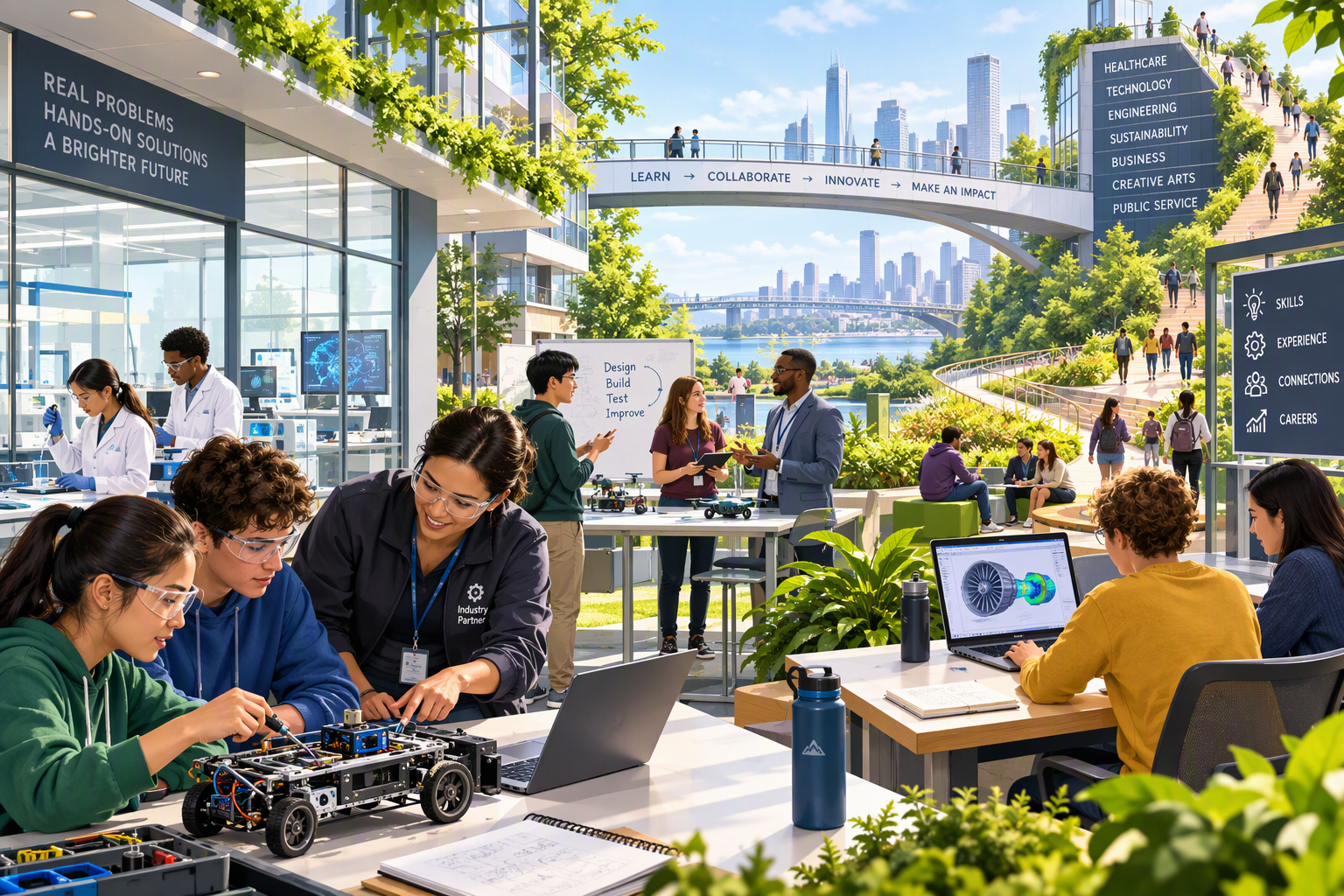
One of the primary drivers of this change is the emphasis on applied learning. Polytechnics today offer a wide range of courses — some even unique in Singapore. Republic Polytechnic, for example, offers a sonic arts programme that is exclusive to the institution. These specialised programmes attract students with specific passions and ambitions that a more traditional academic route might not serve.
Beyond the classroom, polytechnic students engage in industry talks, real-world projects, and internships that bridge the gap between theory and practice. The article highlights a Temasek Polytechnic graduate who later pursued further studies at the National University of Singapore (NUS), demonstrating that the polytechnic pathway can lead to top-tier universities just as well as the JC route.
### Stronger Industry Links as a Key Advantage
Another major factor in the rising appeal of polytechnics is their close collaboration with industry. These partnerships ensure that students are exposed to current practices and emerging trends, giving them a head start in the job market upon graduation. Outreach efforts by the polytechnics have also played a role in reshaping public perception, showing students and parents alike that a polytechnic education can be both rigorous and rewarding.
### Challenges on the Horizon
However, the article doesn’t shy away from the challenges that remain. One significant issue is the wage gap between university and polytechnic graduates. Despite the growing respect for polytechnic education, university degrees still command higher starting salaries on average. There is also the pressing risk that skills acquired in polytechnic courses could become obsolete as industries evolve at breakneck speed.
To address these concerns, the polytechnics are doubling down on collaboration with industry partners, ensuring that curricula stay relevant and that students are equipped with adaptable, future-ready skills.
### A Long Way, But Room to Grow
The feature by CNA’s TODAY suggests that Singapore’s polytechnics have indeed come a long way — shedding the stigma of being an “inferior option” and carving out a distinct identity grounded in hands-on learning and close ties to the working world. Yet, there is still room to grow. Whether it’s closing the wage gap, anticipating the skills of tomorrow, or forging even deeper links with industries, the next chapter for polytechnics will require continued innovation.
For students deciding on their post-secondary pathway, the message is clear: polytechnic education isn’t a consolation prize — it’s a powerful launchpad in its own right.
Leave a Reply