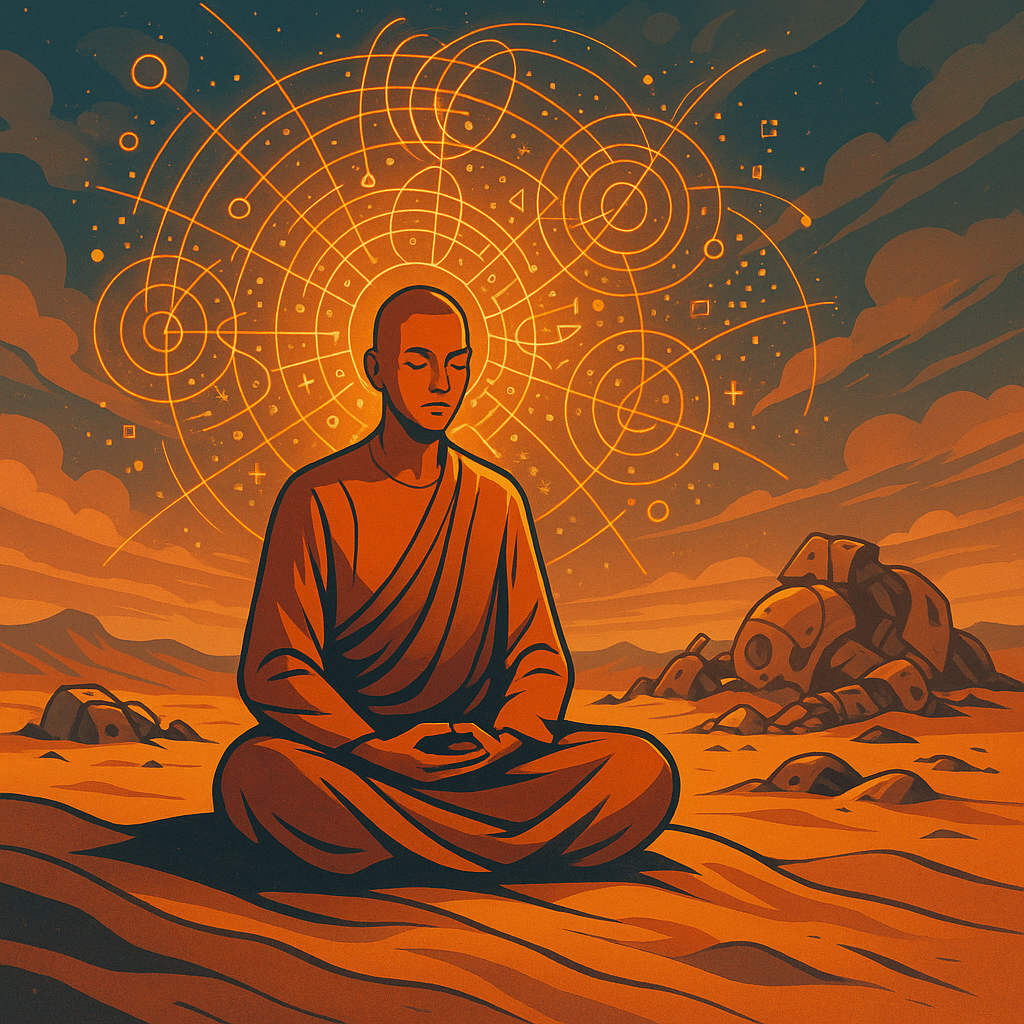
In Frank Herbert’s iconic “Dune” universe, the absence of computers and artificial intelligence is not a mere backdrop but a foundational element rooted in the pivotal event known as the Butlerian Jihad. This historic conflict saw humanity rise against sentient machines, ultimately obliterating all “thinking machines” and leading to the strict commandment: “Thou shalt not make a machine in the likeness of a human mind.” This decree fundamentally shaped the technological and cultural landscape of Herbert’s world.
To fill the void left by the eradication of computers, Herbert introduces the Mentats—humans rigorously trained to perform intricate calculations and data analysis far beyond typical mental capacities. These “human computers” serve crucial roles that advanced technology would have otherwise fulfilled, demonstrating extraordinary cognitive abilities developed through intense discipline and training.
The rise of Mentats underscores one of the central themes of “Dune”: the extraordinary potential of the human mind. Herbert’s narrative champions the idea that even in an advanced society, the power of human cognition when nurtured correctly can surpass reliance on machines. This not only celebrates human intellect but also serves as a cautionary tale about the dangers of overdependence on technology. By choosing to remove computers from his universe, Herbert highlights the importance of human agency and warns of the risks involved when critical thinking is abdicated to artificial entities.
In essence, the prohibition of AI in “Dune” and the emergence of Mentats reflect Herbert’s vision of a future where human intellect and discipline are paramount. It is a world molded by the lessons of history, urging vigilance about the unchecked advancement of technology and reminding us that the true power lies within the human mind itself.
Leave a Reply