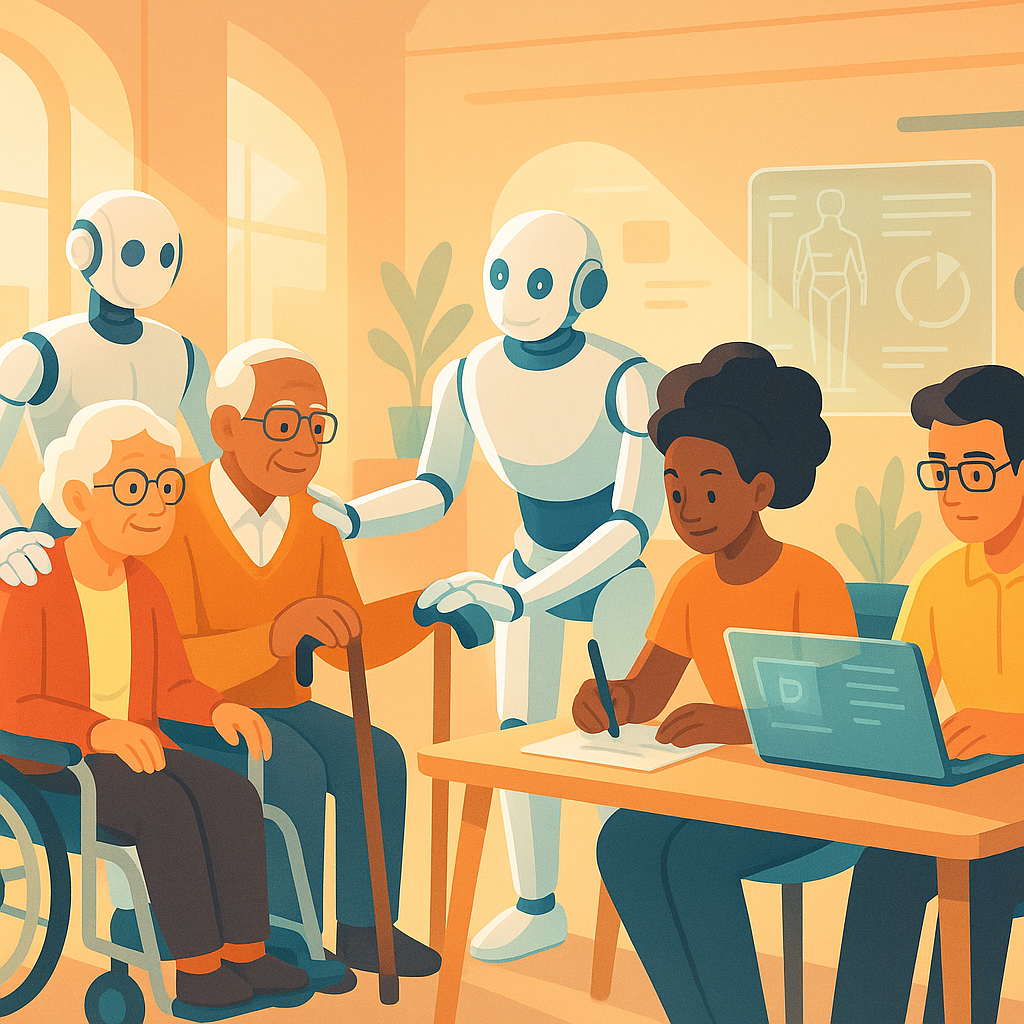
The evolution of artificial intelligence is making a transformative leap from digital realms into the physical world, bringing robots and AI systems closer to everyday human environments. According to a recent article by the World Economic Forum, this next chapter of physical AI development must prioritize human-centric values to unlock its true potential.
The coming decade will be a critical period where intelligent machines move beyond simple automation toward genuine collaboration with people. This means designing AI systems that are not only technically advanced but also capable of seamless, safe, and empathetic interaction with humans. Rather than rigid tools operating in isolation, these physical AI systems should act as partners that understand and adapt to human needs and behaviors.
One of the article’s key insights is the duality of challenges posed by demographic shifts worldwide. Aging populations in advanced nations require physical AI solutions that assist with care and mobility, fostering independence and quality of life. Meanwhile, younger populations in developing countries will benefit from scalable, adaptive AI that supports economic growth and workforce development tailored to their unique social contexts.
The workplace of the future is envisioned as one where human well-being takes precedence alongside productivity. Intuitive machine explainability is emphasized, ensuring that humans can easily understand and trust AI systems operating alongside them. This approach enhances safety and enables a smooth fusion of human creativity and machine intelligence—what the article terms “cognitive synergy.”
Ultimately, by championing a human-centric approach, developers and policymakers can guide the physical AI revolution toward outcomes that enrich human experiences, bolster societal resilience, and promote inclusive progress. The next decade of AI isn’t just about smarter machines—it’s about building a collaborative future where humans and AI thrive together.
Leave a Reply