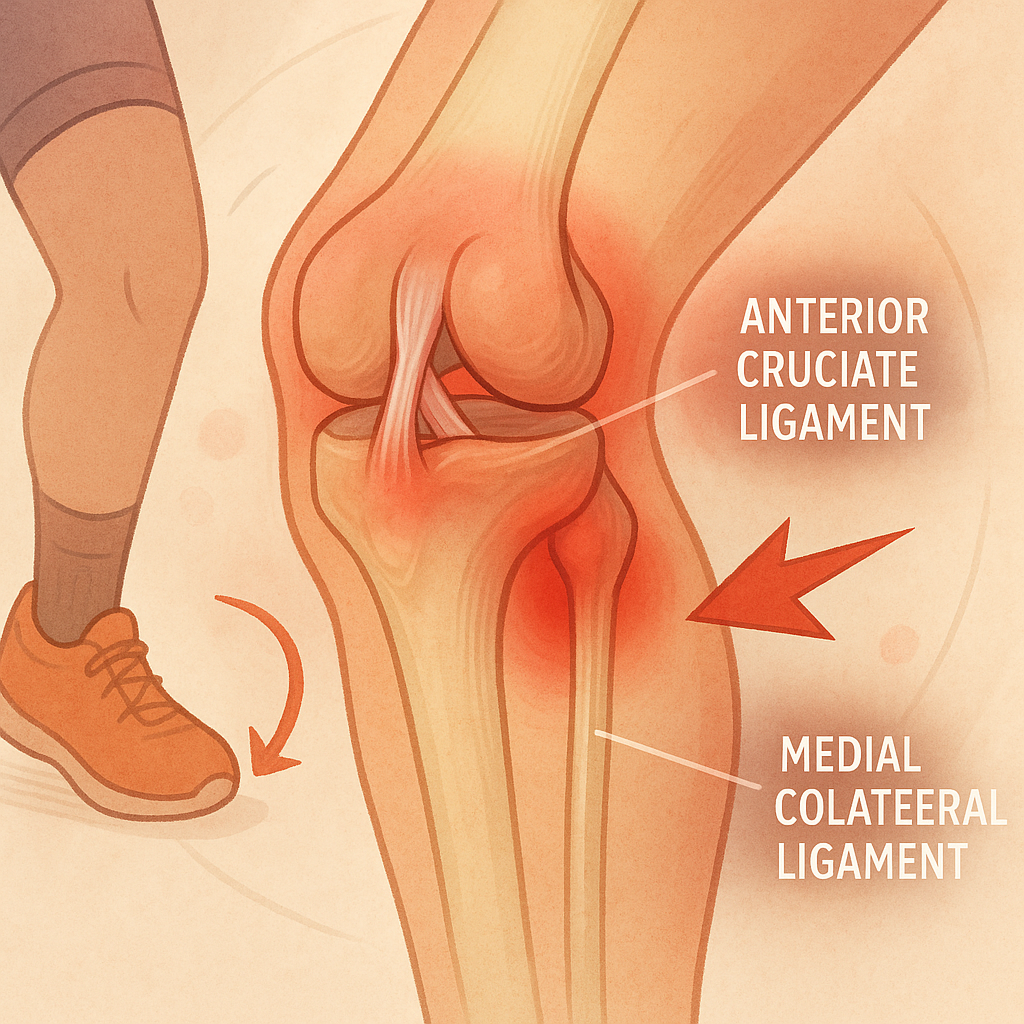
Knee injuries often involve damage to crucial ligaments, with the anterior cruciate ligament (ACL) and medial collateral ligament (MCL) being two of the most commonly injured. Understanding the key differences between torn ACL and torn MCL can help in recognizing symptoms, causes, and appropriate treatment paths.
The ACL is located centrally within the knee and plays a vital role in preventing the shinbone from sliding forward and controlling rotational movements. In contrast, the MCL is found on the inner side of the knee, stabilizing side-to-side movements and preventing the knee from bending inward.
ACL tears frequently occur during sports or activities that involve sudden dynamic movements such as pivoting on a planted foot, abrupt changes in direction, or awkward landings. Basketball, soccer, and skiing are common sports linked to ACL injuries. Additionally, direct collisions like football tackles can put excessive strain on the ACL, leading to tears.
MCL tears typically result from direct impact on the outer side of the knee, which forces the knee inward, overstretching the ligament. Contact sports like rugby and football, where such impacts are frequent, often see these injuries. Non-contact causes include slipping or twisting the knee unnaturally.
Symptoms between the two also vary. ACL tears usually cause a sensation of the knee “giving out,” especially during twisting or pivoting, accompanied by rapid swelling due to bleeding. Pain tends to be widespread, and a loud “pop” sound is often reported at the moment of injury.
On the other hand, MCL tears cause pain during side-to-side knee movements but generally do not lead to the knee buckling. Swelling is more localized along the inner knee and develops gradually, with pain concentrated in that area.
Treatment approaches differ based on the injury’s severity. Both injuries initially respond to the R.I.C.E. method (Rest, Ice, Compression, Elevation) to manage swelling and pain. Physiotherapy is critical for recovery, focusing on rotational stability for ACL injuries and side-to-side mobility for MCL injuries.
Surgical intervention is more commonly required for severe ACL tears, particularly for active individuals and athletes. ACL reconstruction uses grafts from the patient or donors, followed by months of rehabilitation. MCL surgery is less frequent but becomes necessary for complete tears or when other ligaments are involved, with post-surgical rehab aimed at restoring stability and preventing stiffness.
Recognizing the differences between ACL and MCL tears is essential for effective diagnosis and treatment. Anyone experiencing knee pain or instability should seek medical advice promptly to explore the best treatment options tailored to their specific ligament injury.
Leave a Reply