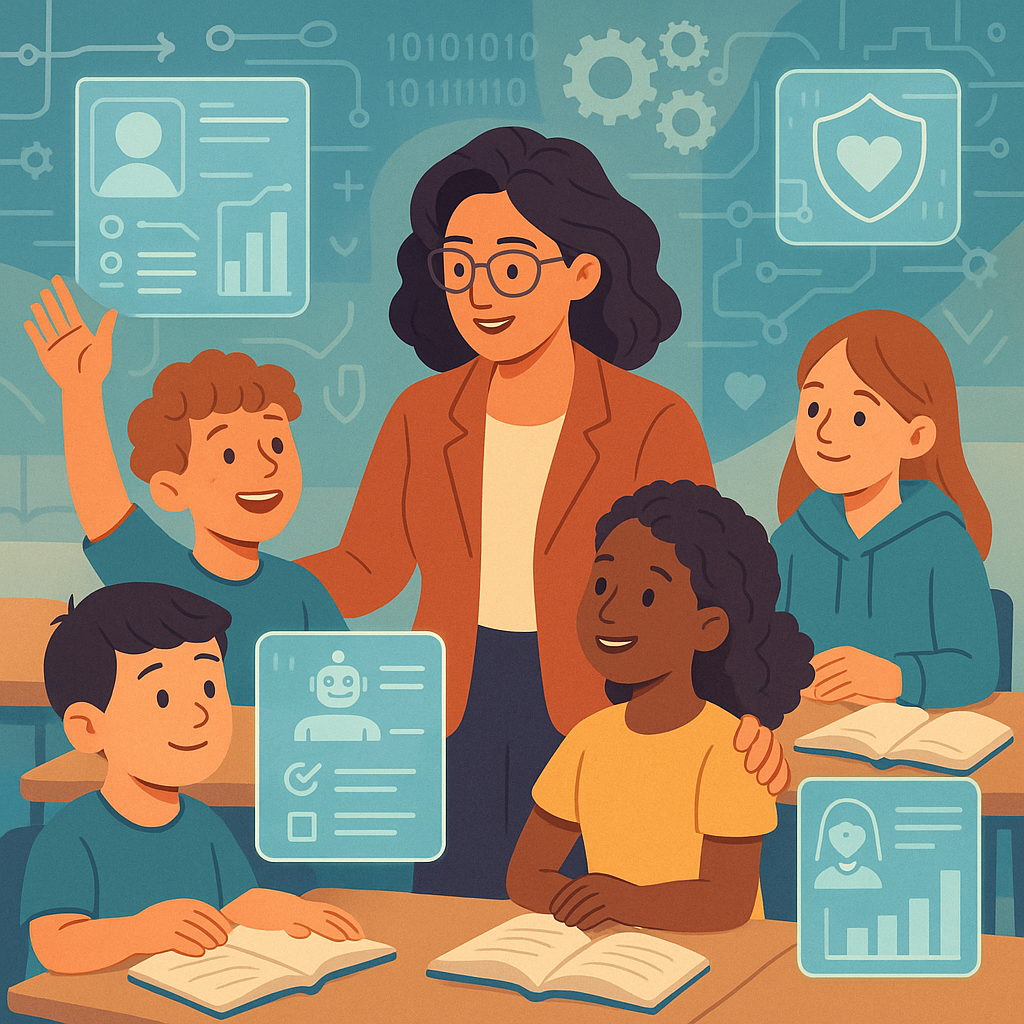
Artificial Intelligence (AI) is rapidly becoming a transformative force in education, offering exciting possibilities while also presenting notable challenges. On the opportunity side, AI enables personalized learning experiences tailored to individual student needs, significantly boosting engagement and effectiveness. This technology also enhances administrative efficiency by automating routine tasks, allowing educators to dedicate more time to direct student interaction. Furthermore, AI holds promise for promoting equity in education by bridging resource gaps and providing diverse learning supports.
However, the integration of AI in education is not without its hurdles. Many educators report minimal formal training on how to effectively use AI tools, highlighting a gap in preparedness that could hinder successful adoption. Ethical issues such as data privacy, algorithmic bias, and the risk of exacerbating existing inequalities warrant careful attention. There is also concern about overdependence on technology, which may undermine vital human elements of teaching, like mentorship and emotional support.
Ultimately, AI’s potential to revolutionize education hinges on a balanced approach. Equipping teachers with the right training, addressing ethical challenges head-on, and preserving the human touch in education are essential steps in ensuring that AI serves as a powerful ally rather than a replacement in the classroom.
Leave a Reply