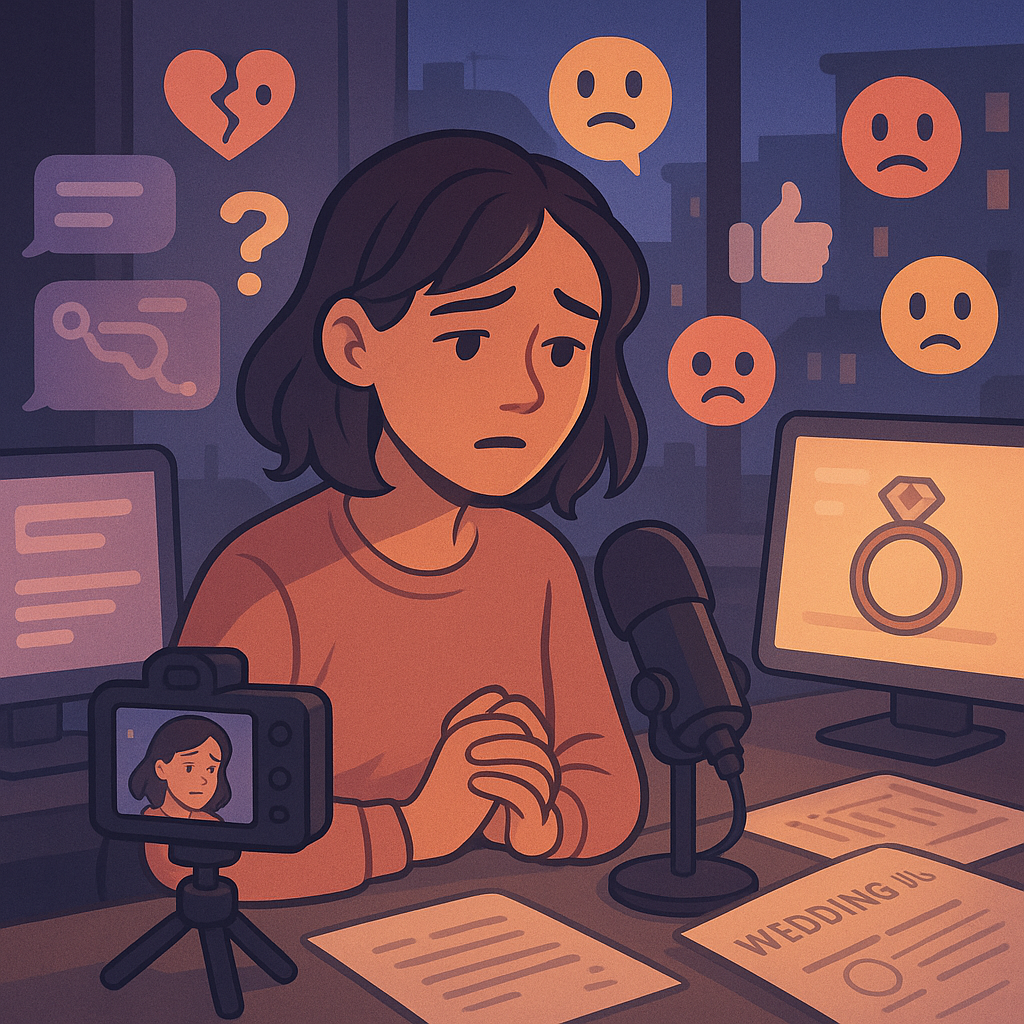
On July 15, 2026, 22‑year‑old Singapore content creator Mabel Kee published a lengthy YouTube video in which she described the collapse of a seven‑year relationship and the painful decision to end her engagement. Kee and her then‑fiancé had been together since their mid‑teens and became engaged on October 17, 2025. In the video she said she had planned the wedding, paid deposits to vendors—mostly with her own money—and together they intended to apply for a June 2026 HDB Build‑To‑Order flat.
Kee told viewers that the relationship had weathered major breakups in 2020, 2022 and 2025. The most recent crisis began after a night out on May 2, 2026, when Kee said she became upset that her fiancé did not want her to join his friends at a club. After she sent angry messages and forwarded a friend’s joking remark about divorcing him, he reportedly became distant and told her he was reconsidering the engagement. Kee said she tried to salvage the relationship with apologies, gifts, concert tickets and a heartfelt letter.
Her account then turned to a series of discoveries that, she said, led her to suspect infidelity. Kee described finding a photograph of a handwritten comparison between herself and one of her fiancé’s female polytechnic classmates, and alleged that he had concealed long Discord calls with that classmate and admitted to having been infatuated with her in 2025. A phrase that quickly became central to the online conversation was “Hougang Block ABC,” which Kee said appeared when she reviewed her fiancé’s Grab ride history. The records, she said, showed repeated trips to that location—including at times when he had told her he was unwell or reconsidering the engagement. Her fiancé, according to the article, explained the rides as trips to the area with male friends for supper, socialising, smoking and drinking.
Kee described carrying out further investigations with friends: creating a fake social‑media account to question one of his friends, reviewing the classmate’s public posts and commute information, and comparing a wall visible in a photograph to walls at the Hougang location. Kee said she and friends later confronted the classmate, who denied involvement and gave an account consistent with the fiancé’s explanation; Kee nevertheless maintained the evidence suggested her fiancé had repeatedly visited the classmate’s home and stayed overnight. After Kee posted hints online, several people from the fiancé’s polytechnic contacted her saying they had known of the relationship but assumed she already knew.
According to AsiaOne’s report, Kee ultimately ended the engagement, calling the decision painful but necessary. She was also selling a wedding‑planner book for $30 to recover some of the money she had spent preparing for the wedding. The episode drew substantial public attention: Kee’s video reportedly amassed more than 400,000 views in under two days and provoked a mix of support and criticism. “Hougang Block ABC” became an online meme, with people visiting the area and creators publishing satire and commentary, including a TikTok review of a nearby dim‑sum stall.
The AsiaOne article makes clear important limitations: it reports Kee’s account and allegations but does not independently verify that her former fiancé cheated, nor does it establish the precise identity of “Hougang Block ABC” or confirm the classmate’s alleged involvement. The fiancé denied the accusations and reportedly told the outlet he had lost feelings for Kee; AsiaOne said it had contacted Kee for more information. The story that unfolded online was therefore grounded in Kee’s personal account and the public reaction to her video, rather than independent verification of the allegations.
Leave a Reply