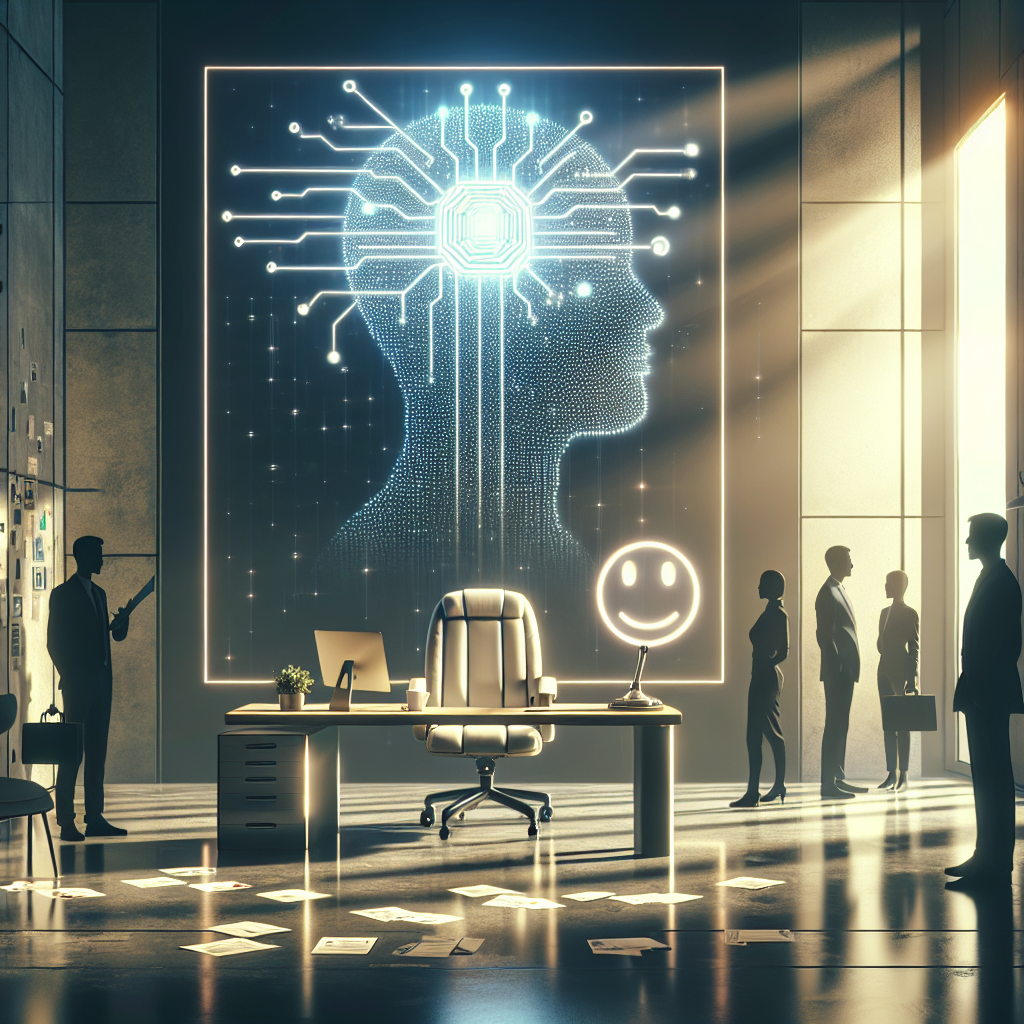
A new Pew Research Center report takes stock of a question that’s quickly moved from sci‑fi to everyday conversation: over the next 20 years, will artificial intelligence mostly help society—or mostly hurt it?
The article draws a clear contrast between how the U.S. public and AI experts see what’s coming. On some of the broadest expectations, experts are more upbeat than everyday Americans. Pew reports that a larger share of experts than the public believe AI will have a positive impact over the next two decades (62% vs. 33%).
But optimism doesn’t erase anxiety—especially around work. The report highlights “Job loss” as a key area of concern, including quotes from AI experts addressing the possibility that AI could displace workers. Even when people can imagine AI improving parts of life, the prospect of jobs changing—or disappearing—hangs over the conversation.
Another striking takeaway: neither group seems convinced that more powerful technology automatically translates into better lives. According to the article, few U.S. adults or experts think AI will make humans happier—just 6% say it will.
Taken together, Pew’s findings paint a future that isn’t simply “utopia” or “doom.” Instead, the report suggests a more complicated reality: experts are more likely to anticipate net benefits from AI, while the public is more cautious—and both groups are notably skeptical that AI will boost human happiness. Whatever the next 20 years bring, the article makes one point hard to ignore: the debate isn’t only about what AI can do, but what it will mean for people’s work and well‑being.
Leave a Reply