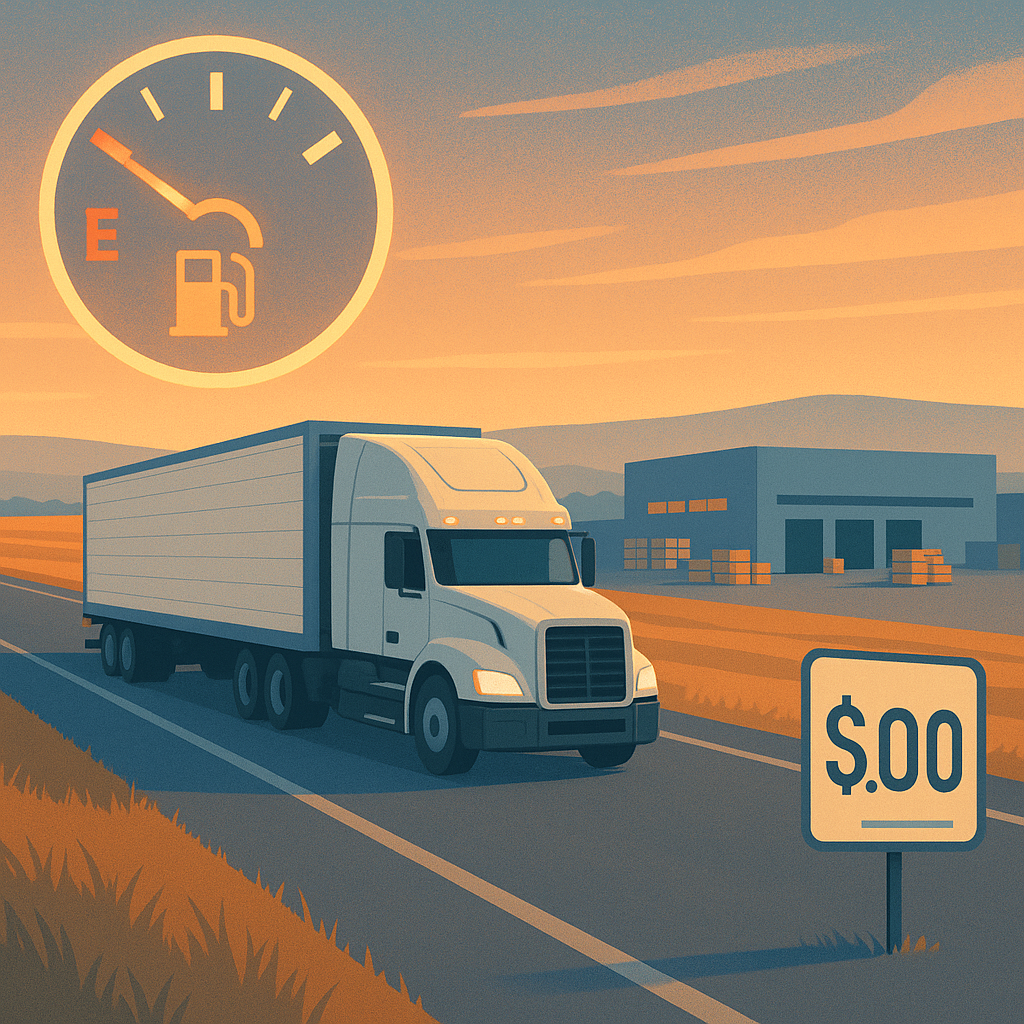
A new USDA summary takes a close look at a part of the food-price story that most shoppers never see: the cost of moving food.
The report starts from a simple reality—when food prices rise, consumers have less ability to afford the groceries they need. From there, it examines how truck transportation costs can filter into food prices, focusing on two pressures highlighted in the title: rising diesel prices and the availability of truck drivers.
Trucking sits at the center of food transportation and distribution, and the summary frames fuel and labor as key inputs that can change what it costs to move products through the supply chain. When diesel prices climb, the expense of running trucks increases. When truck driver availability tightens, distribution can face additional strain. In the report’s framing, both factors matter because they shape transportation costs—and those costs are part of what ultimately influences the price consumers see.
What makes the summary notable is its emphasis on the connection between transportation and affordability. Instead of treating food inflation as something that happens only at the farm or the store shelf, it points attention to the in-between: the logistics system that delivers food across long distances, day after day.
In that sense, the USDA’s message is less about a single culprit and more about a chain reaction. Fuel markets and labor availability affect trucking; trucking affects the cost of distribution; and distribution costs can affect food prices—adding another layer to the broader challenge of keeping food affordable.
Leave a Reply