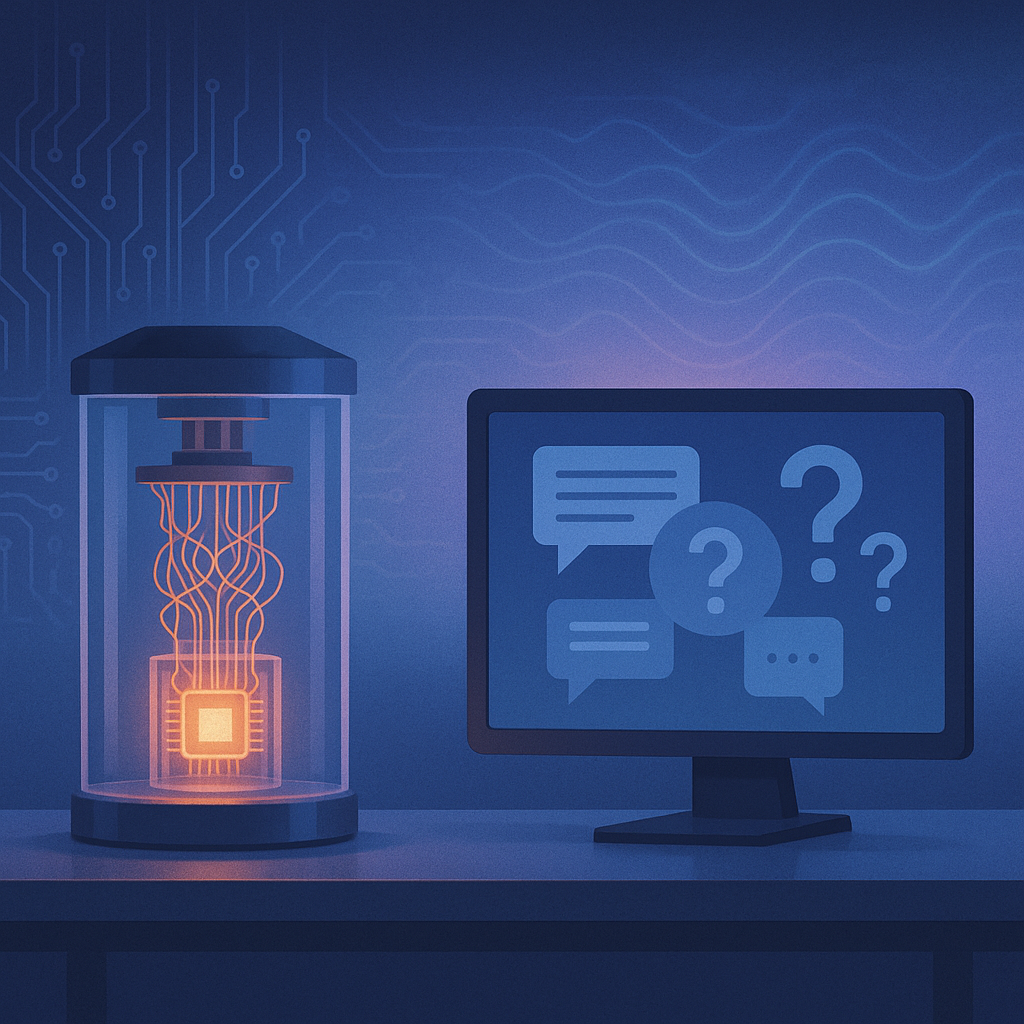
A recent Reddit thread posing a simple question — “Does quantum computing actually have a future?” — captures a wider public mood: curiosity mixed with skepticism, and a desire for something more concrete than buzzwords.
In the discussion, commenters argue that quantum computing isn’t a far-off fantasy so much as a field that has already crossed a key threshold: working quantum computers exist today. That point matters, because it shifts the debate from whether the technology is real to what it will become — and how quickly.
The thread’s tone suggests a community trying to separate two ideas that often get conflated. On one hand is the promise implied by the phrase “quantum computing,” which can sound like an inevitable replacement for today’s machines. On the other hand is the reality, reflected in the comments, that progress is happening even if it doesn’t yet look like a consumer gadget revolution.
What stands out is how the “future” question becomes less about a yes-or-no verdict and more about timing, usefulness, and expectations. The commenters’ confidence that quantum computers already operate in some form is presented as evidence that the field has momentum — that the future is not hypothetical, but underway.
If anything, the thread reads like a snapshot of a technology in transition: past the stage of pure theory, not yet at the stage of everyday impact, and surrounded by debate about what counts as success. In that sense, the future of quantum computing may be best understood not as a single breakthrough moment, but as an ongoing shift — one that, according to the people in this discussion, has already begun.
Leave a Reply