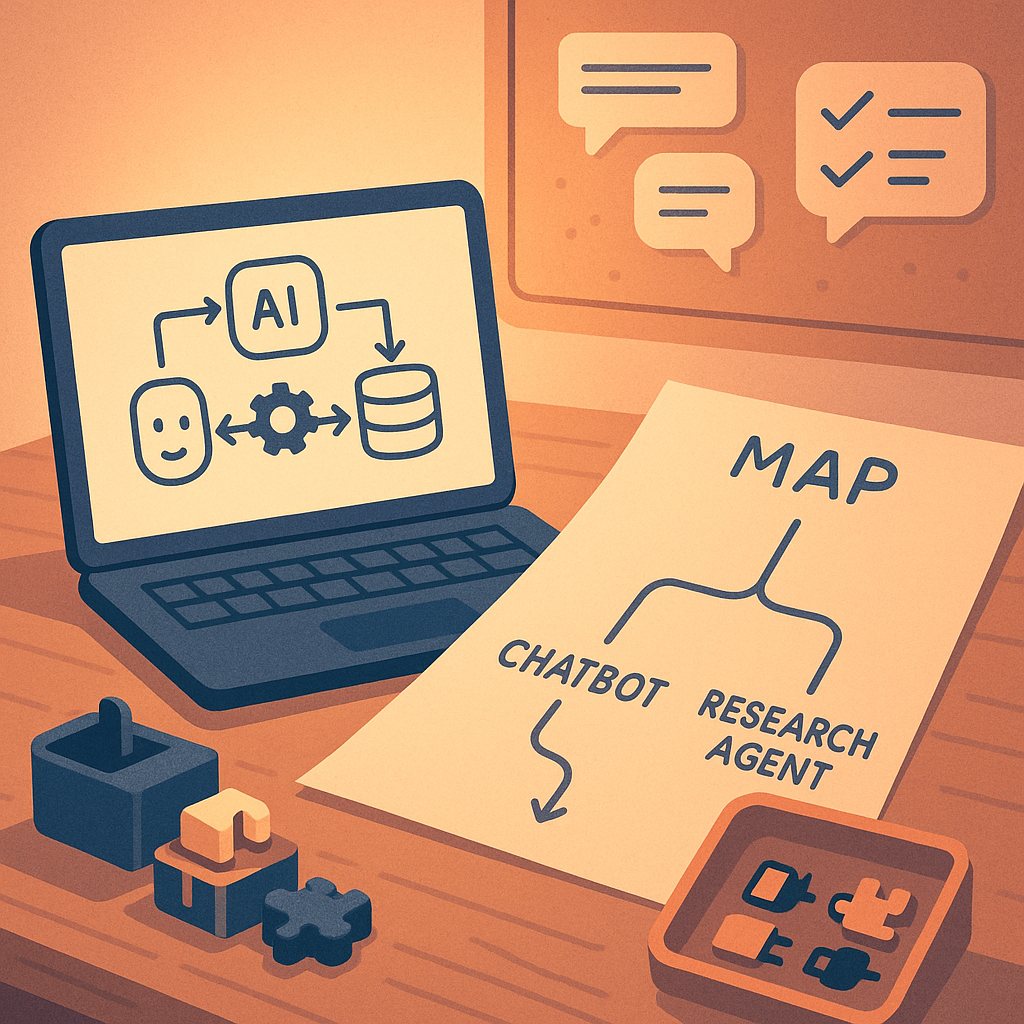
A beginner trying to build an AI agent today doesn’t lack options—they lack a map. That’s the energy behind a popular post on r/AI_Agents titled “My guide on what tools to use to build AI agents (if you are a newb),” which has drawn thousands of upvotes and hundreds of comments. It’s framed less like a formal tutorial and more like the kind of practical, lived-in advice that shows up when people are actively building—and comparing notes in public.
What stands out immediately is the focus on tool choice as the first real hurdle. The post positions “building an agent” not as a single skill, but as a stack of decisions: what you’re trying to create (a chatbot, a research agent, or something else), what software helps you get there faster, and what’s actually approachable when you’re just starting.
The discussion in the thread underscores how quickly “which tool should I use?” becomes “what kind of agent am I building?” One commenter boils the dilemma down to concrete outcomes—asking whether the guide’s recommendations differ depending on whether you’re building something lightweight like a bot versus something more complex like a research agent. That distinction matters, because the needs of those projects—how much autonomy you want, how much information the agent has to work with, how it chains steps together—are rarely the same.
Just as interesting as the guide itself is the response it sparked: people thanking the author, asking for alternatives, and effectively turning a single post into a living resource. In a space where tools change fast and opinions are strong, that kind of thread becomes less of a static “best tools” list and more of a snapshot of what builders are actually using—and questioning—right now.
For newcomers, the takeaway is refreshingly simple: start with clarity about what you want the agent to do, then match tools to that job. The post’s popularity suggests that beginners aren’t only looking for yet another catalog of software—they’re looking for a path through the noise, ideally from someone who remembers what it felt like to be new.
Leave a Reply