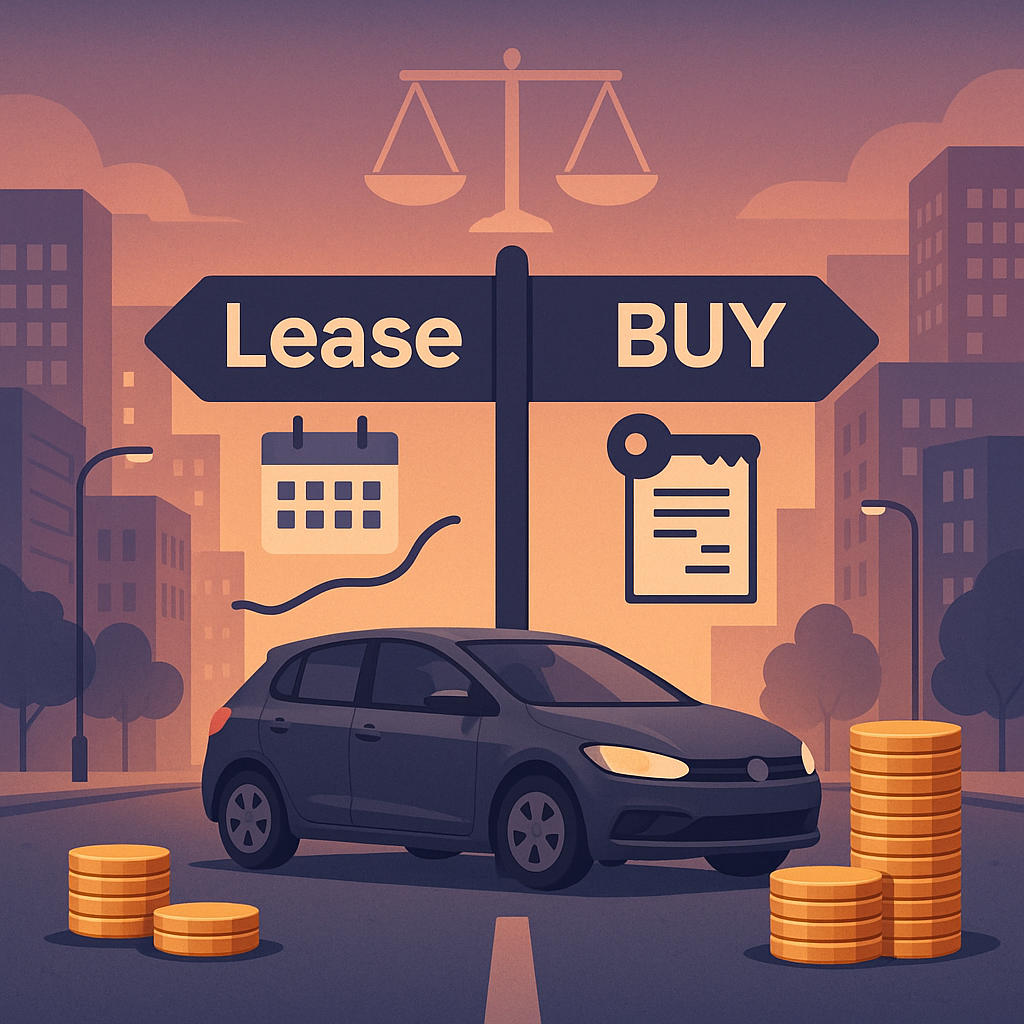
In Singapore, the “should I buy or lease?” question rarely stays hypothetical for long. Between high upfront costs and the reality that cars are time-limited assets, the decision quickly becomes a balancing act between flexibility, cash flow, and what kind of commitment you’re willing to live with.
A recent guide on car leasing versus buying frames the choice in practical terms: leasing can offer the freedom to drive a vehicle that might be out of reach if you were buying outright, while buying can suit drivers who prefer longer-term control over what they drive.
## Why leasing appeals to many drivers
The article highlights several reasons leasing can feel like the easier entry point:
– **Lower upfront costs**: Leasing typically requires a smaller down payment than buying.
– **Fixed monthly payments**: Predictable monthly costs can make budgeting simpler.
This structure is part of the appeal: rather than tying up a large sum at the start, leasing spreads your commitment into a steady monthly plan.
## Why buying still holds strong appeal
Buying, on the other hand, speaks to people who want to make a longer-term decision and stick with it. Where leasing emphasizes access and predictability, buying tends to be associated with having a vehicle as “yours” over time—an approach that can feel more straightforward if you’re planning to keep the car for the long haul.
## The real decision: lifestyle and finances
What comes through most clearly is that there isn’t a one-size-fits-all answer. The guide positions the choice as something you should make based on your **financial situation and lifestyle**—how much you can (or want to) put down upfront, how important stable monthly costs are to you, and whether you value flexibility over a longer-term commitment.
In the end, the leasing-versus-buying debate in Singapore isn’t just about cars—it’s about what kind of financial rhythm you prefer: a lower barrier to entry with structured monthly payments, or a more committed path that aligns with longer-term plans.
Leave a Reply