Travelling with too much luggage is one of those predictable inconveniences: heavy bags to drag through airports, surprise airline excess-fee bills at check-in, or long waits at baggage claim. Eurosender’s “Excess and Unaccompanied Baggage” page presents a door‑to‑door courier alternative that aims to let you travel hands‑free by sending suitcases ahead of time.
What it is, in one line
Eurosender positions itself as a platform that aggregates a network of couriers to offer door‑to‑door delivery of excess or unaccompanied luggage domestically and internationally. The site advertises instant quotes, parcel tracking, and shipments that are “automatically insured” with options for additional services. A site header also highlights social proof (“Based on 42,754 reviews”). (Page accessed Aug 14, 2026; the page does not show a clear publication or last‑updated date.)
How the service works
Eurosender lays out a simple three‑step booking flow:
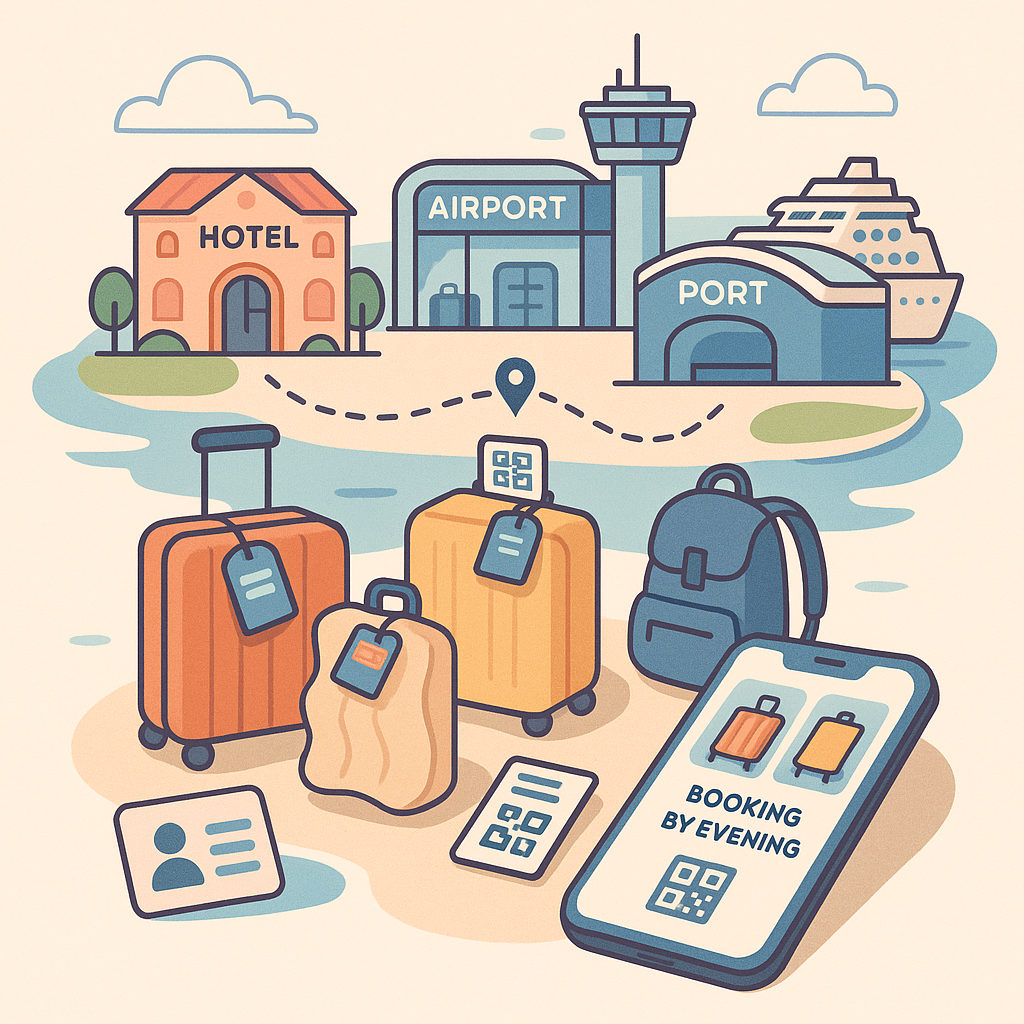
1) Select pickup and delivery countries and get an instant price via the booking engine.
2) Schedule a collection before you travel.
3) Send your suitcase ahead so you can travel hands‑free and pick it up at your destination.
The booking engine returns an immediate quote; Eurosender notes that the actual price depends on dimensions, weight, route and urgency.
Service options and where they’ll take your bags
Eurosender offers multiple service tiers — for example, a Standard option (available within Europe) and a Priority/Express option (recommended for destinations outside Europe or when faster delivery is needed). The site claims worldwide coverage through its courier network (Europe, North America, South America, Asia, Africa) and lists delivery destinations such as hotels (the booking form requests hotel details and the site advises confirming reception), homes, train stations, airports and cruise ports. It also points to specialist offerings aimed at students and expats.
Packing and preparation: the practical checklist from Eurosender
The page gives clear packing guidance you should follow to protect your shipment and preserve insurance cover:
– Secure loose items inside the suitcase so they cannot move.
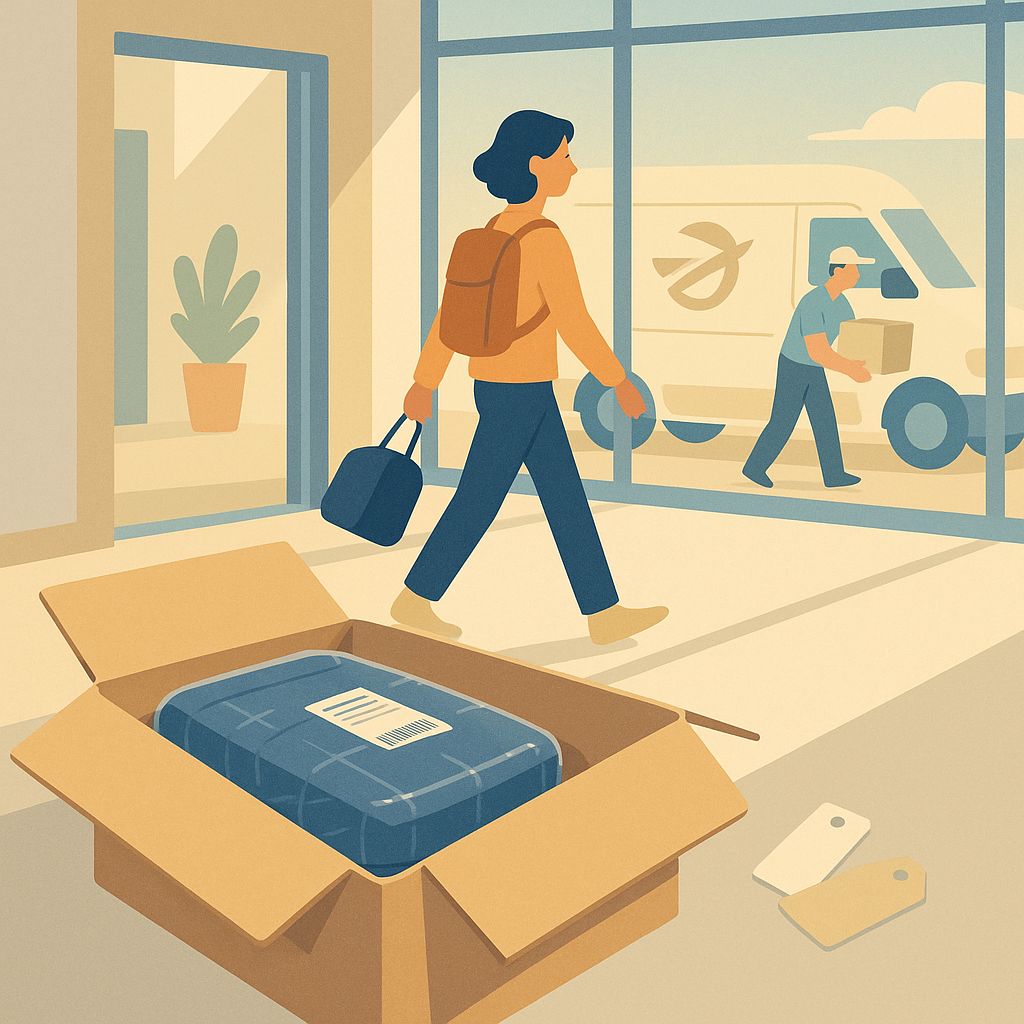
– Place your suitcase inside a sturdy cardboard box; wrap in plastic film if needed.
– Remove old airline tags and attach the shipping label provided.
– For soft or sports bags, pack them inside boxes with cushioning.
Eurosender warns that insufficient packaging can void insurance and liability, so following these steps matters.
Pricing and cost claims
Eurosender suggests that, in many cases, booking a courier to ship excess baggage is cheaper than paying airline excess‑baggage fees — particularly when shipping multiple pieces. The page displays a starting price cue (“Prices from €2.99”) but stresses that final costs are quote‑dependent and vary by size, weight, route and delivery speed. The booking engine is the way to get a concrete, route‑specific price.
Extra features and add‑ons
Beyond standard baggage delivery, the page lists related services and options: storage, same‑day couriers where available, relocation services, door‑to‑door baggage delivery and API/enterprise solutions. Tracking is highlighted as part of the offering, and shipments are described as automatically insured with options to select additional coverage through the platform.
FAQs and customer‑facing points
Eurosender answers common traveller questions directly on the page: yes, you can send excess baggage ahead; yes, you can send to a hotel (but confirm reception); and shipping is often cheaper than airline fees depending on route and quantity. The page also points readers to check specific carrier (airline, train, bus, cruise) baggage policies for limits and restrictions.
What the page doesn’t show (important gaps to know)
– No clear publication or last‑updated date is visible on the page (page accessed Aug 14, 2026).
– No independent route‑by‑route price comparisons versus specific airlines are provided on the page — the “usually cheaper” claim is presented generally rather than with audited sample routes.
– The landing page does not publish performance history (on‑time delivery rates, average transit times per tier) or a detailed fees table for common origin–destination pairs.
– There are no detailed case studies, timings on claims handling, or example insurance payouts shown on this page.
Quick decision checklist for travellers (based on Eurosender’s guidance)
– Use the booking engine to request an instant quote for your route and compare it with airline excess fees.
– Schedule collection before you travel and provide accurate destination details (hotel name, contact info).
– Follow the platform’s packing instructions exactly — sturdy box, cushioning, remove old tags, attach shipping label.
– Note insurance: the page states shipments are automatically insured and warns that poor packaging can affect liability — check the platform’s coverage options if you’re sending high‑value items.
– Keep valuables with you in carry‑on and photograph the packed items before handing them to the courier (the page’s packing and insurance notes support exercising caution).
Bottom line
Eurosender’s Excess & Unaccompanied Baggage page is a practical company guide to sending suitcases ahead: it explains the booking flow, service tiers, packing rules and common FAQs, and it highlights instant quotes, tracking and insured shipments. The site’s cost‑saving claim and worldwide coverage are useful starting points, but the page itself lacks independent route‑by‑route comparisons and performance metrics — so use the booking engine for a concrete quote and, where possible, compare that quote against airline fees and traveller reviews before you commit.