On 3 March 2026 the Royal United Services Institute published a piece titled “Five ways the Iran war could end,” and the picture it paints is less about overthrow and more about reshaping power within Iran.
Urban Coningham, a research fellow at RUSI, told Channel 4 News that outright regime change is unlikely. Instead, he suggested, the country may emerge with “a new supreme leader, supported by the Iranian Revolutionary Guard Corps, or a clerical leader who Trump feels he can do business with.” That formulation reframes victory not as toppling a government but as producing a leadership Iran’s adversaries find negotiable.
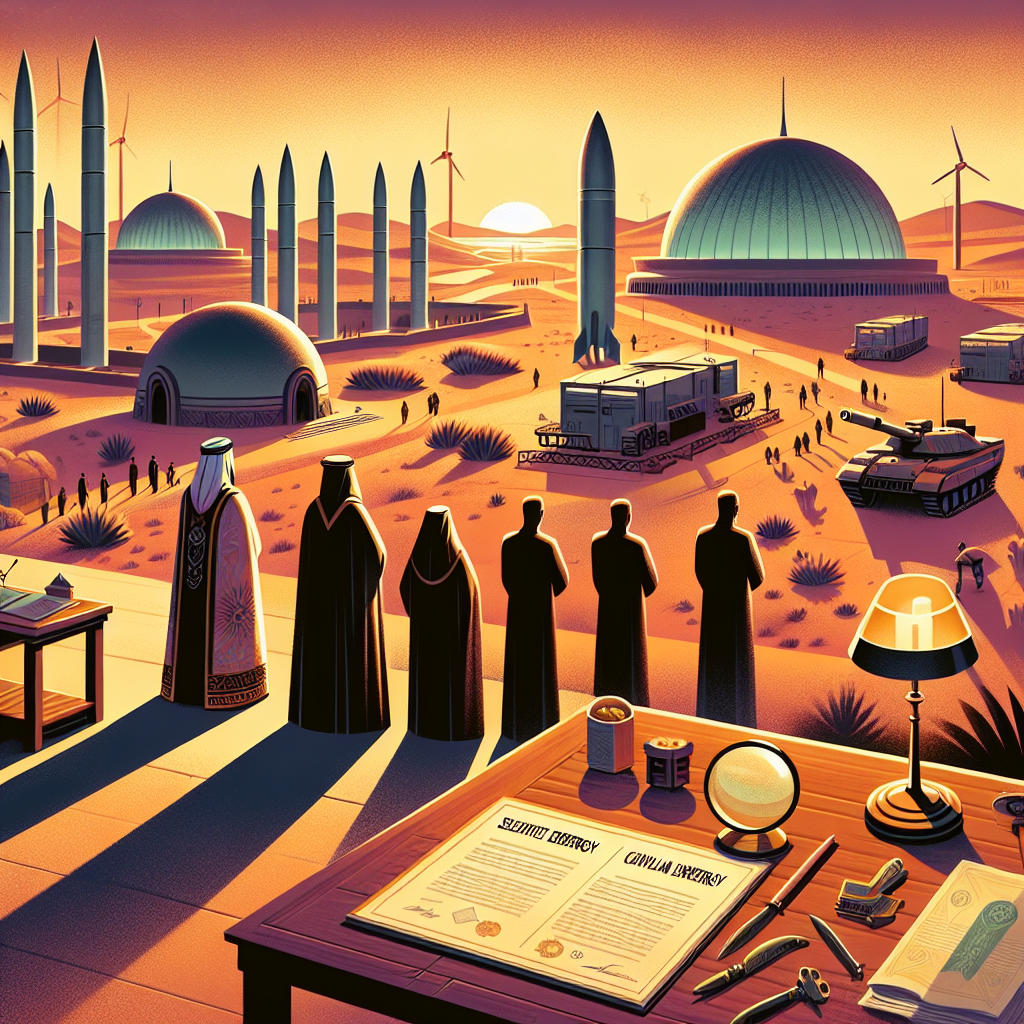
Crucially, Coningham identified two concrete objectives that could substitute for removing the regime. First, limiting Iran’s uranium enrichment so it “doesn’t extend beyond civilian use,” coupled with assurance that the international nuclear watchdog has access to Iranian facilities. Second, extracting concessions on Iran’s missile production capabilities. If those aims are met, the U.S. might be willing to tolerate a changed, but not eliminated, Iranian leadership.
The RUSI framing suggests an endgame defined by constraints and verification rather than a dramatic political rupture. In that scenario, the war’s conclusion would be measured not by the fall of a government but by negotiated limits on nuclear and missile programs and by a leadership that outside powers judge amenable to deals.
Leave a Reply