On June 18, 2025, Andrej Karpathy — the former director of AI at Tesla — took the stage at AI Startup School in San Francisco with a blunt message: software is changing again. The transcript published from his keynote frames a simple but powerful shift that anyone building products or engineering teams should pay attention to.
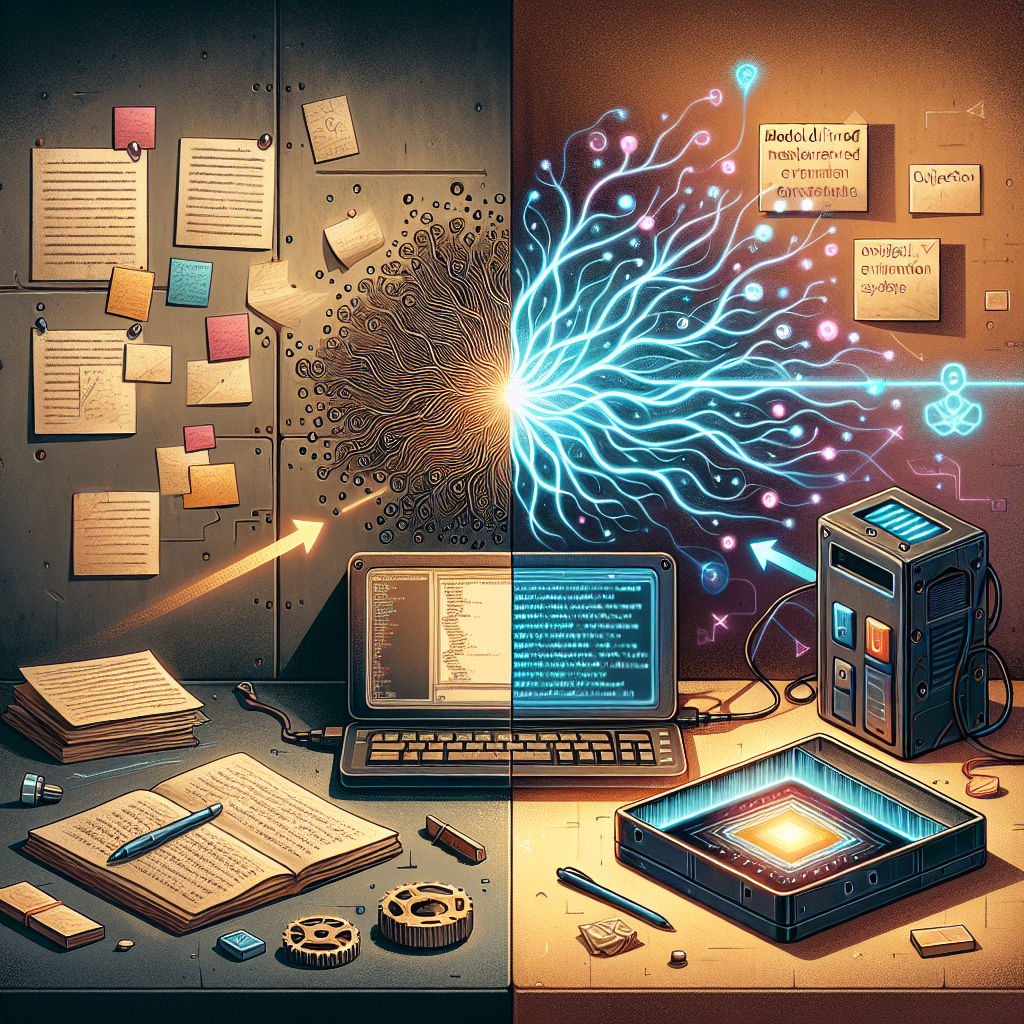
Karpathy revisits a distinction he has long used: Software 1.0 versus Software 2.0. Software 1.0 is the traditional model of programming — the code you write directly for the computer. Software 2.0, by contrast, is characterized by neural networks and models that learn from data rather than being hand-coded. In his telling, this isn’t just a niche trend but a systemic change in how software is created and deployed.
A clear implication of that shift is who can build what. The transcript highlights that the rise of powerful, locally runnable LLMs and model-driven tooling is lowering the barrier to creating sophisticated systems: small teams of engineers can now accomplish things that previously required much larger groups. Tools that once lived as remote services or specialized platforms are being replaced or augmented by local models and workflows, reshaping product development velocity and design trade-offs.
For founders and engineers, Karpathy’s remarks serve as a reminder to rethink workflows and team composition. When models do the heavy lifting of pattern recognition and behavior learning, the role of engineers shifts toward curating data, designing objectives, and integrating learned components into reliable products. The practical result is faster iteration cycles and new product possibilities — but also new responsibilities around evaluation, safety, and maintenance.
Whether you’re writing your first prototype or running an established stack, the keynote’s central message is worth taking seriously: the fundamentals of how we build software are evolving. The tools, the teams, and the definitions of “code” are all being rewritten — again.
Leave a Reply