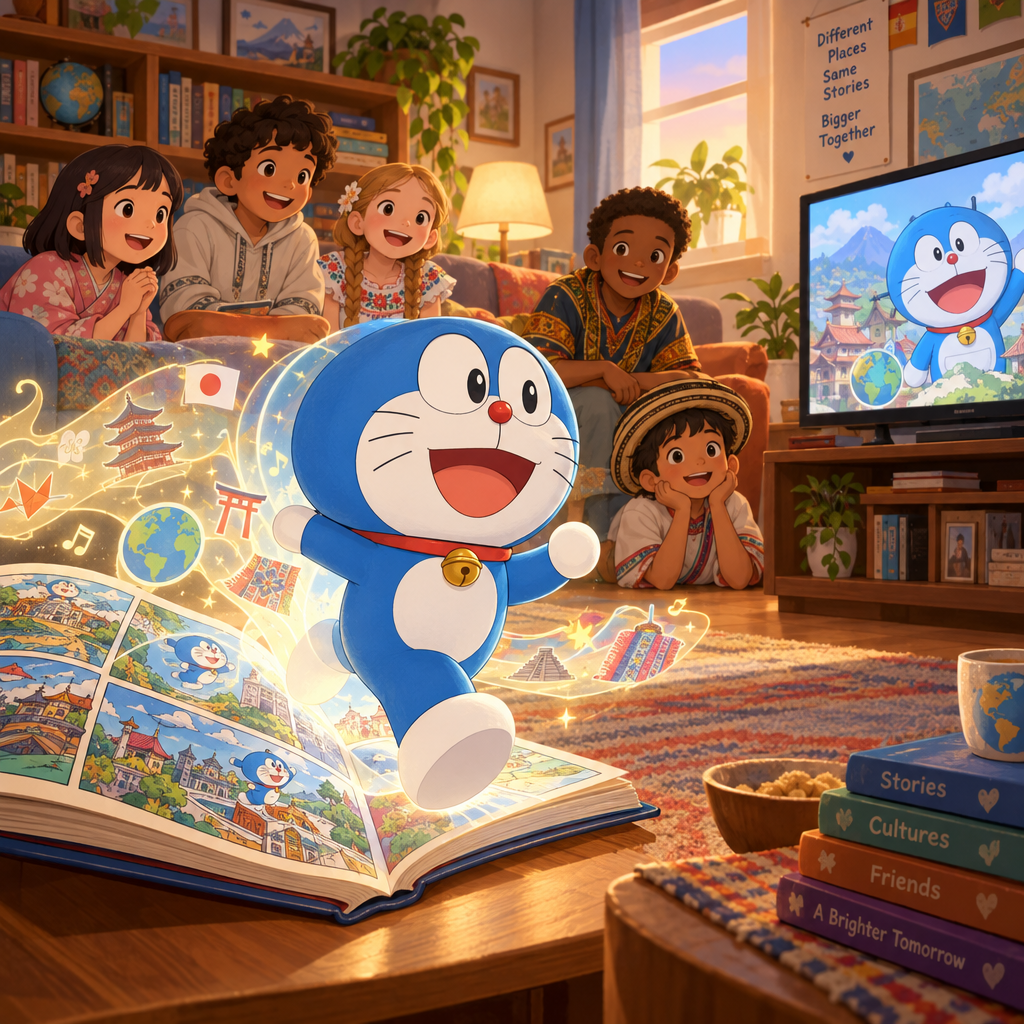
When Doraemon arrived in Vietnam in 1992, it came through comic books translated from Thai. The television series followed in 2000. Over time, the character became popular with Vietnamese children across generations—and, according to Thanh Tuan Le’s study, came to represent more than entertainment.
The article examines Doraemon as an example of Japan’s cultural “soft power”: the ability of popular culture to shape connections and perceptions. It considers how the character was introduced and localized in Vietnamese cultural life, the people-to-people exchanges associated with its popularity, and the stakeholders involved in spreading it.
Based on documentary research and the Doraemon case, Le concludes that the character helped promote Japanese culture, support cultural diplomacy, and foster people-to-people connections. The study also links Doraemon’s presence to a positive image of Japan among Vietnamese audiences.
The case offers a possible lesson for Vietnam, too. The author suggests that distinctive characters and cultural symbols can help a country develop its own cultural influence. Doraemon’s journey shows how a familiar fictional figure can become a point of connection between audiences in two countries—though this focused case study does not provide a comprehensive history of the character or detailed evidence behind each conclusion.
Leave a Reply