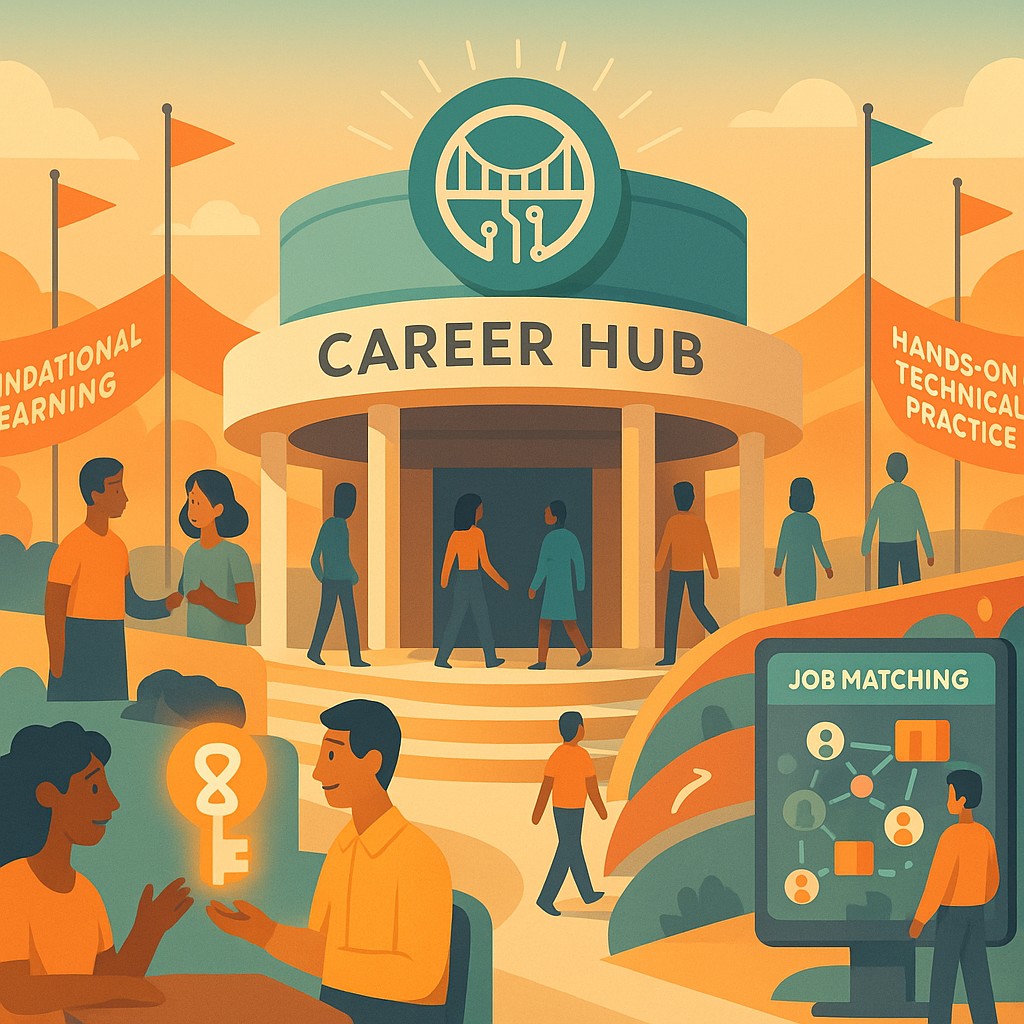
On 13 February 2026, at the NTUC Career Festival, NTUC unveiled “AI‑Ready SG” — a one‑stop effort to prepare workers for workplace AI by combining curated training pathways, mentorship, job matching and subsidies for AI tools. The initiative is presented as a practical companion to Budget 2026’s AI commitments and is explicitly framed around helping workers translate AI awareness into applied skills and productivity gains.
A headline feature reported in the announcement is that Budget 2026 will provide six months’ free access to “premium AI tools” for Singaporeans who take selected training courses. NTUC and the article position this free access as a bridge between classroom learning and real‑world use: learners can practise and embed AI into everyday tasks (examples cited include content creation, writing and workflow automation) while still in training.
NTUC’s operational plans — as reported — include curated AI training pathways delivered via NTUC LearningHub that are tailored by skill level and sector. The pathways are described in three broad tiers: foundational curricula for beginners, job‑specific curricula for roles most affected by AI, and hands‑on technical curricula for practitioners. NTUC said these pathways were to be rolled out in the first quarter of 2026.
On the cost side, NTUC will subsidise up to 50% of subscription costs for eligible AI tools for NTUC members for an initial two‑year period; the subsidy rollout was expected in the first half of 2026. The wider support package includes sectoral AI Playbooks (the first three target electronics/marine/engineering, hospitality/consumer business, and essential domestic services), plus mentorship and job‑matching services. The Career Festival itself showcased demand for jobs, with more than 5,000 job opportunities from over 70 employers featured at the event.
The article is careful to note important unknowns. It does not list which specific “premium AI tools” or vendors qualify for the six‑month access, nor which training courses will be eligible or the criteria for selection. The delivery mechanism for the six‑month access (vouchers, institutional licenses, account provisioning or reimbursement) is not explained, and the article does not clarify who is eligible by residency status or what happens after the six months end (who pays thereafter or whether discounted transition offers will be available). Crucially, the report does not equate “premium AI tools” with any named large language model or specific product — such inclusions or exclusions are not provided.
Taken together, AI‑Ready SG reads as a deliberately practical, sector‑focused attempt to lower barriers to applied AI learning: training pathways aimed at different skill levels, sector playbooks to help firms redesign jobs, tool subsidies to reduce cost barriers, and a short free access window to make hands‑on practice possible during training. At the same time, the lack of operational detail in the announcement means key questions about eligibility, implementation and post‑trial costs remain unanswered.
For workers and employers watching Singapore’s AI transition, the initiative signals a policy intent to pair skills development with tool access and job support. The full picture — which vendors and tools will participate, which courses qualify, and how the free access and subsidies will be delivered — will depend on subsequent NTUC and government implementation announcements.
Leave a Reply