What it is
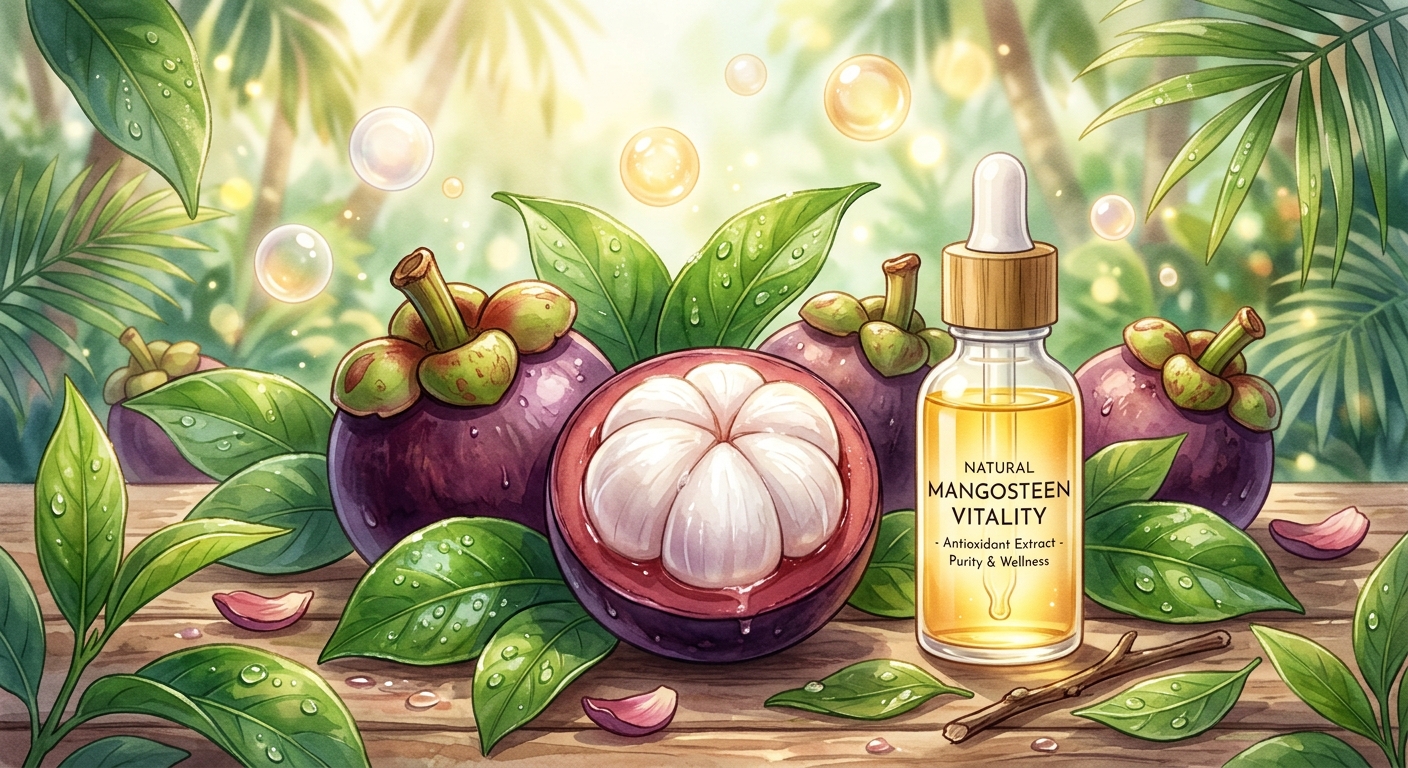
Mangosteen (Garcinia mangostana) is a small, purple tropical fruit native to Southeast Asia. People eat it fresh when they can find it, and it’s also processed into juices, supplements and some medicinal or cosmetic products. Fresh mangosteen can be hard to source in many countries because of growing conditions and import restrictions. (Source: Medical News Today, Dec 17, 2021)
Nutrition snapshot (per 1 cup, drained, canned)
– Calories: ≈ 143 kcal
– Carbohydrates: ≈ 35.1 g
– Dietary fiber: ≈ 3.53 g
– Calcium: ≈ 23.5 mg
– Potassium: ≈ 94.1 mg
– Vitamin C: ≈ 5.68 mg
Like most fruit, mangosteen is low in fat, sodium and cholesterol. Note that canned/juiced forms lose some of the fiber present in whole fruit. (Medical News Today)
Why researchers are interested
Mangosteen’s pericarp (the rind) contains a class of plant compounds called xanthones, including α‑mangostin. In laboratory and animal studies these xanthones have shown a range of biological activities — antioxidant, anti‑inflammatory, antimicrobial and signals of possible anticancer effects. However, most of that evidence is preclinical and has not been confirmed in large human trials. (Medical News Today)
What a small human study found
Human evidence so far is limited but suggestive. One small, 30‑participant trial tested a mangosteen beverage taken for 30 days versus placebo and reported:
– An approximate 15% increase in blood measures of antioxidant activity in the mangosteen group versus placebo.
– An average ~46% reduction in C‑reactive protein (CRP) in the mangosteen group, suggesting possible anti‑inflammatory effects.
These results are interesting but come from a small study and need confirmation in larger, well‑controlled clinical trials. (Medical News Today)
How mangosteen is used in products
Commercial uses of mangosteen extracts include dietary supplements and some topical or adjunctive medical products. Examples noted in the review include:
– A mangosteen ingredient used in a weight‑loss product.
– A 4% mangosteen gel tested as an adjunctive treatment for periodontitis.
– Cosmetic and moisturizer formulations that include mangosteen extracts.
Product formulations and concentrations vary widely, and efficacy/safety depends on product quality and how the extract was processed. (Medical News Today)
Safety, limits and important cautions
– Evidence base: Many of the reported benefits stem from in vitro (lab) or animal studies and a few small human trials. Larger, rigorously designed clinical trials are largely lacking, so claims of therapeutic benefit are premature. (Medical News Today)
– Pregnancy and breastfeeding: Because safety data are insufficient, guidance quoted in the article recommends avoiding mangosteen medicines when pregnant or breastfeeding. (Medical News Today)
– Bleeding risk and surgery: People with bleeding disorders or those planning to have surgery should avoid mangosteen products because they may affect blood clotting. (Medical News Today)
– Drug interactions: Supplements can interact with medications; the article gives an example of a potential interaction with liraglutide. Always check with a healthcare professional before combining supplements with prescription drugs. (Medical News Today)
– Product variability and processing: The amount of active compounds can vary by product. Processing may reduce some beneficial compounds; juices and extracts also lose the fiber found in whole fruit. Because of this variability, results from one product or study don’t automatically apply to another. (Medical News Today)
Practical takeaway
– Eating whole mangosteen (when available) can add variety to your fruit intake and provide nutrients plus plant compounds (xanthones) that show antioxidant and anti‑inflammatory actions in early research. The nutrition profile above applies to drained, canned fruit as reported in the review. (Medical News Today)
– Don’t rely on mangosteen products as treatments for disease. Most human evidence is preliminary, and much of the promising data come from laboratory or animal studies. More, larger human trials are needed to confirm benefits and safety. (Medical News Today)
– If you’re considering concentrated mangosteen supplements or topical products, consult a healthcare professional first—especially if you are pregnant, breastfeeding, have a bleeding disorder, are planning surgery, or are taking prescription medications. (Medical News Today)
This summary is based on the Medical News Today article “Everything you need to know about mangosteen,” medically reviewed and published December 17, 2021.
Leave a Reply