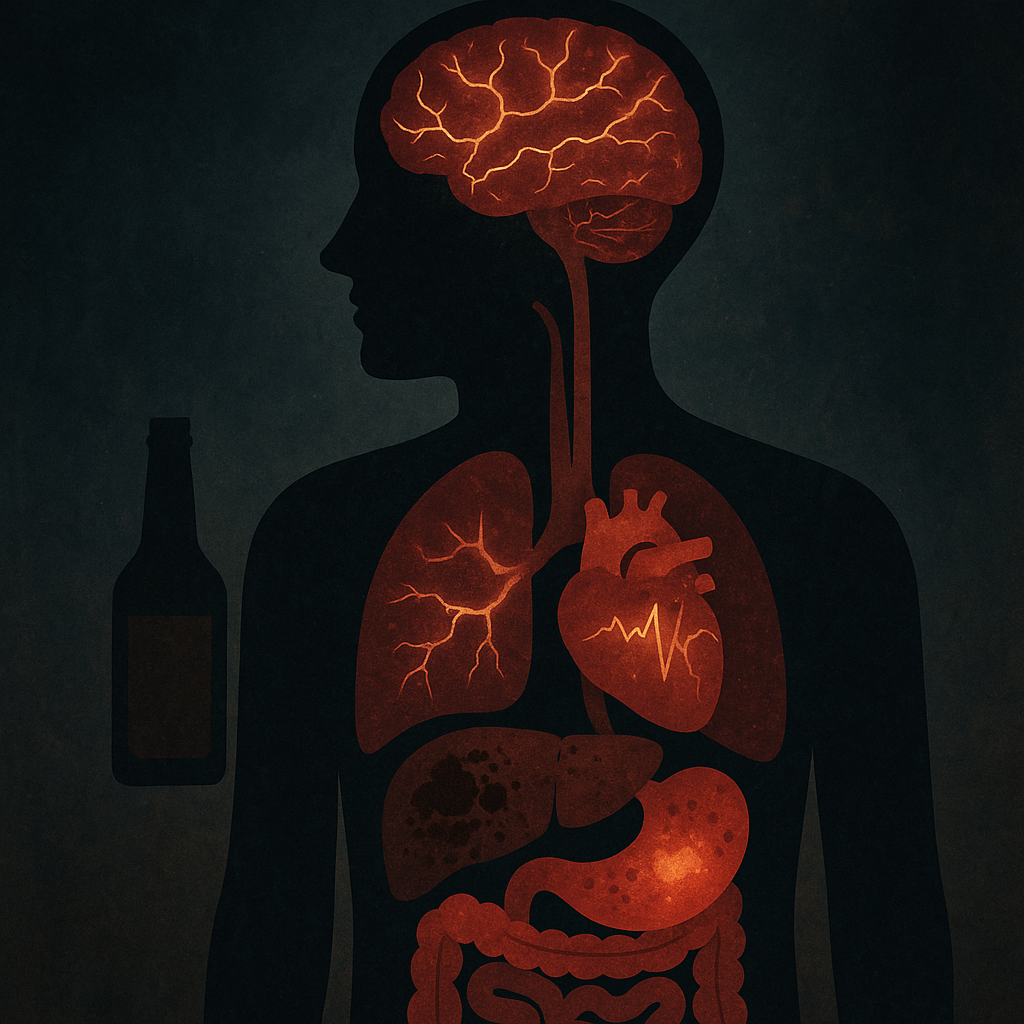
Alcohol consumption, even in moderate amounts, carries significant risks that extend beyond simple intoxication, deeply impacting both brain and body health. Scientific findings have long established that alcohol interferes with the brain’s communication pathways, disrupting neurotransmitter functions and neural circuits essential for cognitive processes such as memory, learning, and decision-making. Chronic heavy drinking can lead to permanent structural brain changes, including neuronal atrophy and brain shrinkage, resulting in lasting cognitive deficits.
One particularly alarming effect of excessive alcohol consumption is blackouts—episodes during which the brain temporarily blocks the transfer of memories from short-term to long-term storage. These memory gaps not only impair brain function in the short term but may also contribute to longer-term cognitive decline.
The detrimental impact of alcohol is not confined to the brain. It affects many vital organs and systems within the body. The liver can suffer from conditions like fatty liver disease, alcoholic hepatitis, and cirrhosis, which severely compromise its ability to function. Cardiovascular health is also jeopardized, with alcohol increasing risks for high blood pressure, irregular heart rhythms, cardiomyopathy, and heart attacks.
Additionally, the gastrointestinal tract faces inflammation, bleeding, and an elevated risk of cancers in areas like the esophagus and oral cavity due to alcohol exposure. The immune system weakens as well, reducing the body’s defenses against infections and slowing recovery from injuries.
In conclusion, the scientific evidence paints a clear picture: alcohol poses a profound threat to overall health, affecting crucial brain functions and multiple bodily systems. Awareness and understanding of these risks are essential for making informed choices and fostering healthier lifestyles.
Leave a Reply