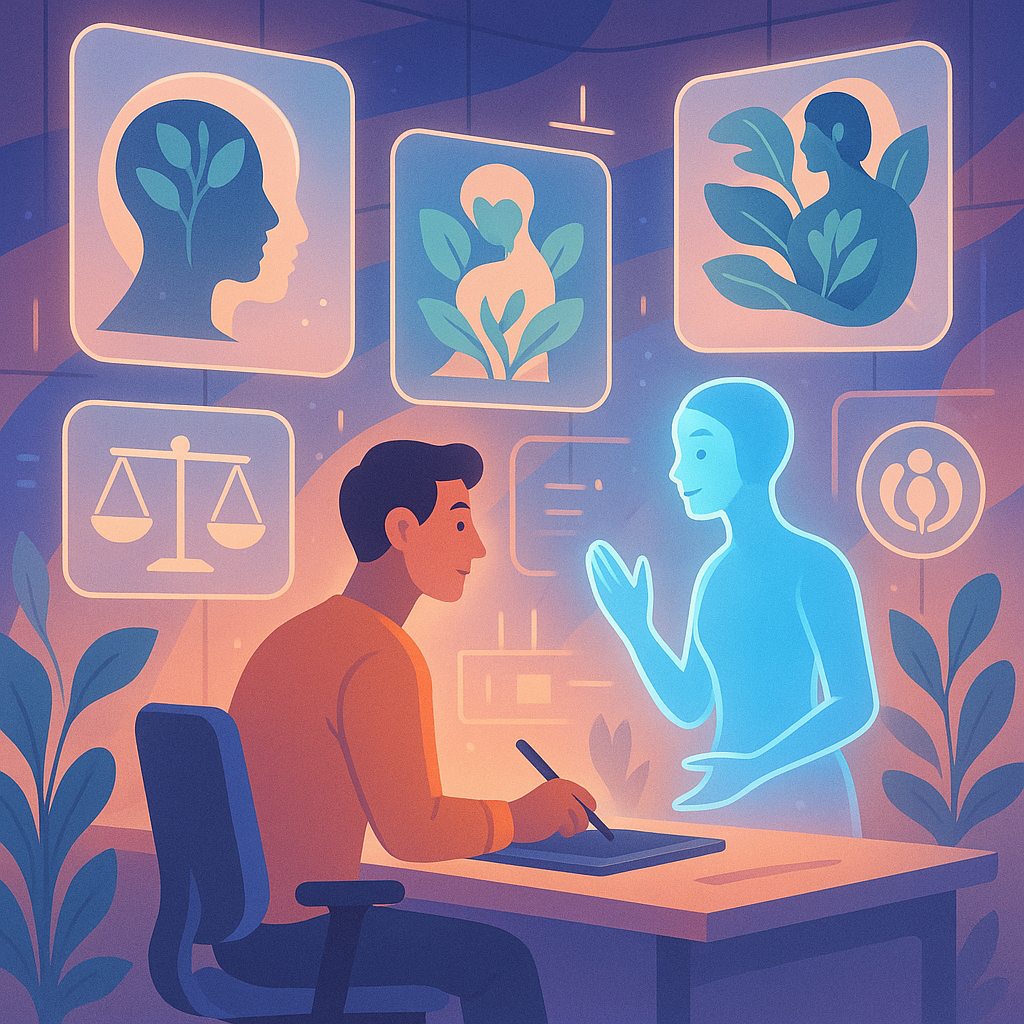
As we move through 2026, Artificial Intelligence (AI) is profoundly transforming the design industry in multiple groundbreaking ways. Far from replacing designers, AI acts as a collaborative partner that enhances creativity, streamlines workflows, and introduces innovative methodologies.
One of the most remarkable shifts is AI’s role as a collaborative tool. Designers now leverage AI to gain fresh insights, produce rapid iterations, and craft more sustainable and personalized designs. This partnership between human creativity and machine intelligence amplifies the creative potential across projects.
AI’s impact is especially pronounced in the ideation phase. By analyzing vast datasets, AI tools unlock innovative concepts and solutions that push the boundaries of traditional design thinking, expanding the realm of what’s possible.
With AI taking over routine and repetitive tasks, designers’ roles are evolving from hands-on makers to strategic curators. This shift allows designers to concentrate more on high-level decisions and creating holistic user experiences, guiding the design process with greater oversight and intentionality.
However, this integration also brings ethical responsibilities to the forefront. Designers must remain vigilant about biases in AI-generated content, especially in sensitive and representative areas such as human-plant interactions, to ensure fairness and inclusivity.
Looking to the future, AI’s influence is poised to deepen, enabling design workflows that are more dynamic, adaptable, and motivational. Emerging capabilities like dynamic grounding and constructive negotiation promise to make the creative process more responsive and sustainable over time.
In essence, AI is redefining what it means to design in the 21st century — blending collaboration, ethical consciousness, and strategic oversight to forge a new era of creativity and innovation in the design industry.
Leave a Reply