In 2024, the Central African Republic (CAR) stands out globally as the country with the highest birth rate, recording 46.2 births per 1,000 people. This striking demographic trend is driven by a confluence of social, cultural, and economic factors unique to the nation.
One of the primary contributors is the youthful composition of the population. With a large share of its citizens being young, fertility rates naturally remain high, fueling population growth. This is closely tied to limited access to contraception; many people in CAR face challenges in obtaining or using effective contraceptive methods, which leads to a higher incidence of unintended pregnancies.
Cultural aspects deeply influence family size preferences. In many communities within CAR, large families are highly valued, perceived not only as a symbol of social standing but also as vital support systems that bring security and strength to households. This cultural inclination adds to the high birth rate.
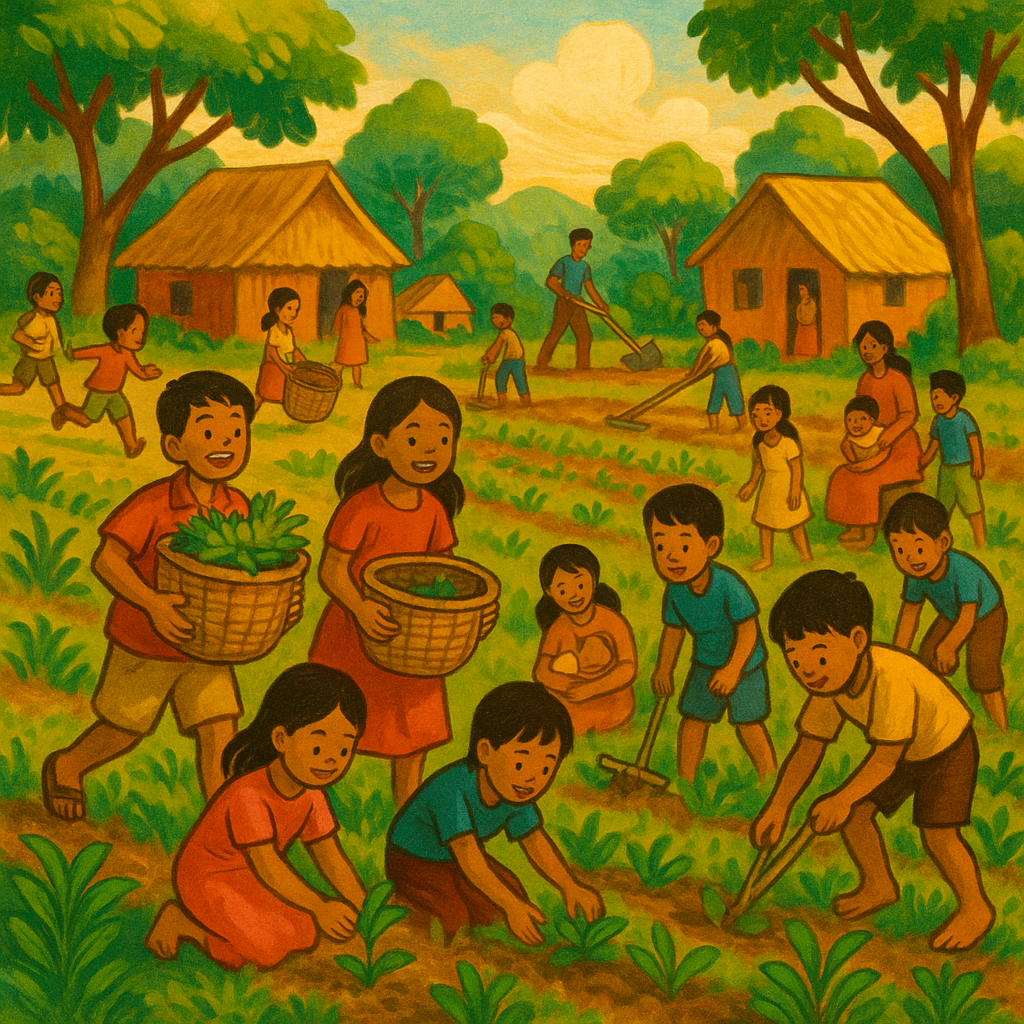
Economically, the predominantly agrarian lifestyle in the country positions children as contributors to household labor. In farming communities, larger families are beneficial, as children help with various tasks essential for sustaining family livelihoods. This economic rationale further incentivizes having more children.
Together, these factors weave a complex narrative explaining why the Central African Republic experiences such an elevated birth rate in 2024. Understanding these dynamics is crucial for policymakers and development organizations aiming to address population growth and its related challenges in the region.
Leave a Reply