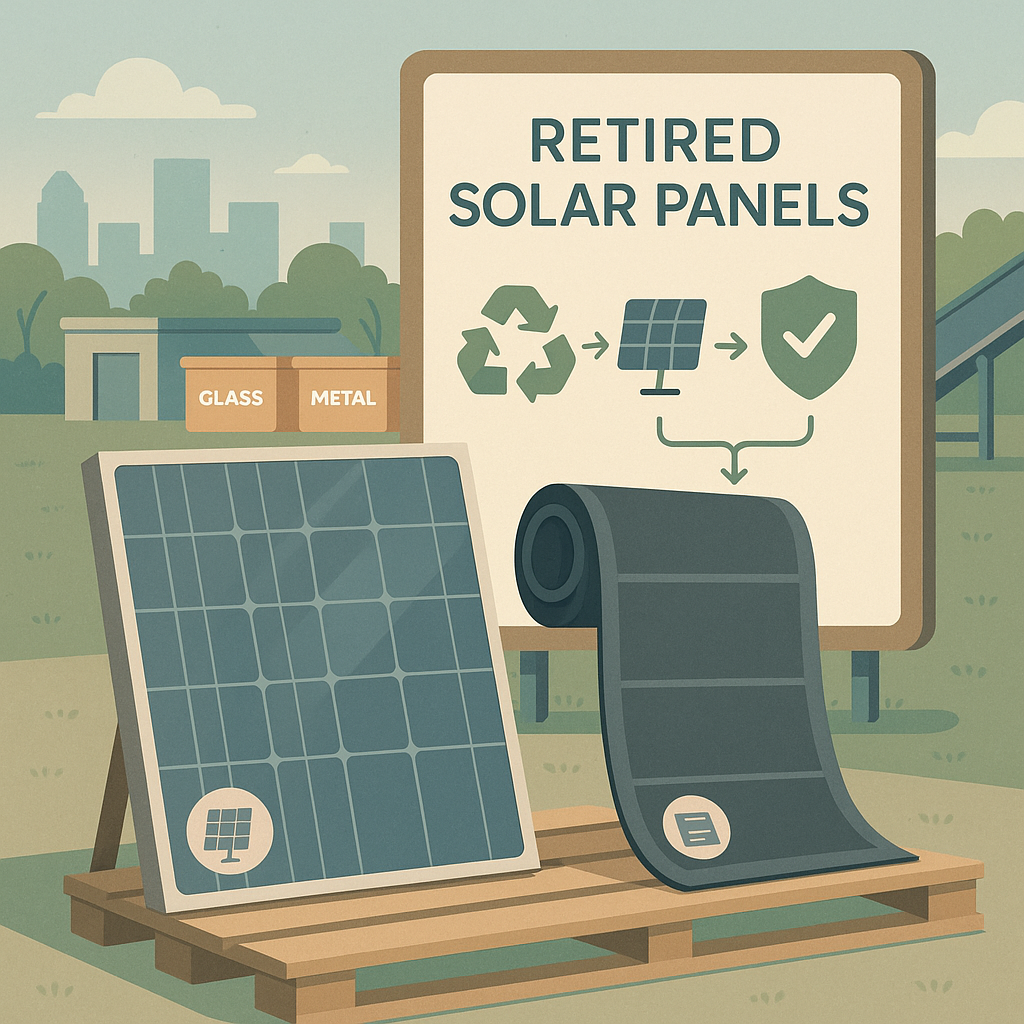
Solar panels have been one of the clearest success stories in the move toward cleaner energy, but like any technology they don’t last forever. The U.S. Environmental Protection Agency’s recent guidance underscores a simple reality: photovoltaic systems typically reach the end of their useful life after about 25–30 years, and when they do they become a form of waste that requires careful, regulated handling.
The EPA’s End‑of‑Life Solar Panels page serves as a compact roadmap for understanding how retired panels are treated. It outlines the relevant hazardous‑waste regulations that can apply, summarizes state‑level policies for managing panels at end of life, and collects additional resources for anyone who needs to navigate the legal and practical aspects of disposal, recycling, or reuse.
Importantly, the guidance doesn’t treat panels as a single, uniform item — it recognizes different types of solar panels and the different regulatory considerations that can follow. That distinction matters for owners, installers, and municipalities planning for long‑term lifecycle management as solar deployment continues to grow.
If you’ve installed solar or are responsible for commercial or community systems, the EPA page (updated July 31, 2026) is a useful starting point to learn how end‑of‑life solar panels are classified and managed under current regulations, and where to find additional information and state‑specific policies.
Leave a Reply