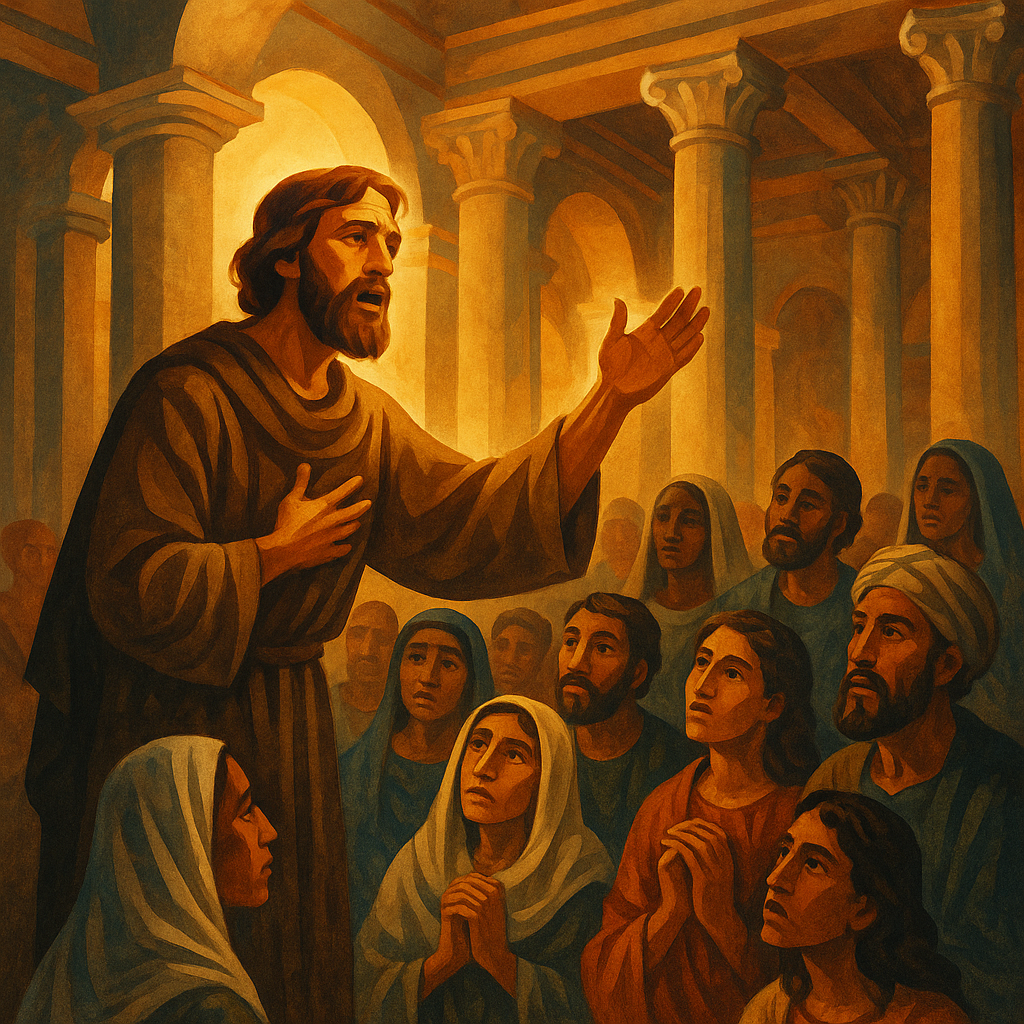
The Book of Romans, authored by Paul the Apostle, stands as one of the most significant and theologically rich texts in the New Testament. Written around A.D. 57, this letter addresses the believers in Rome during a formative period for early Christianity. To fully appreciate the context of this epistle, it’s important to explore why Paul was persecuted and why he was compelled to write to the Roman church.
Why Was Paul the Apostle Persecuted?
Paul, originally known as Saul of Tarsus, was a zealous Pharisee who initially persecuted early Christians. However, after a dramatic encounter with Jesus Christ on the road to Damascus, he converted and became one of Christianity’s most fervent missionaries. His preaching challenged traditional Jewish beliefs and the established social order, which led to widespread opposition.
Paul’s message of salvation through faith in Jesus, accessible to both Jews and Gentiles, was revolutionary and threatening to many religious and political authorities. His efforts to spread Christianity beyond Jewish communities stirred tensions, resulting in multiple imprisonments, beatings, and ultimately his martyrdom. The Roman authorities and Jewish leaders often perceived Paul’s teachings as subversive, leading to his persecution.
Why Was Paul Writing to the Church in Rome?
Paul’s letter to the Romans was written during a time when Christianity was expanding rapidly but also facing doctrinal and cultural challenges. The Roman church was a diverse body composed of Jewish and Gentile believers, and they needed guidance on unity and faith.
Paul wrote to:
1. Clarify the Gospel Message: Romans systematically lays out the Christian faith—sin, salvation, grace, faith, righteousness, and sanctification. Paul aimed to establish a clear theological foundation for the believers, explaining that salvation is a gift from God, not a result of works.
2. Address Division: The Roman church grappled with tensions between Jewish and Gentile Christians, particularly around adherence to the Jewish Law. Paul emphasized that both groups are equal in Christ and urged them to accept one another.
3. Prepare for Missionary Work: Paul planned to travel to Rome before heading to Spain to spread the Gospel further. Writing this letter helped him establish a spiritual connection with the Roman Christians, gain their support, and prepare them for his visit.
The Enduring Legacy of Romans
The letter to the Romans remains a cornerstone for understanding Christian doctrine and faith. It captures the early church’s struggles, Paul’s theological insights, and the call for unity amid diversity. It is a timeless document that continues to inspire believers worldwide.
Leave a Reply