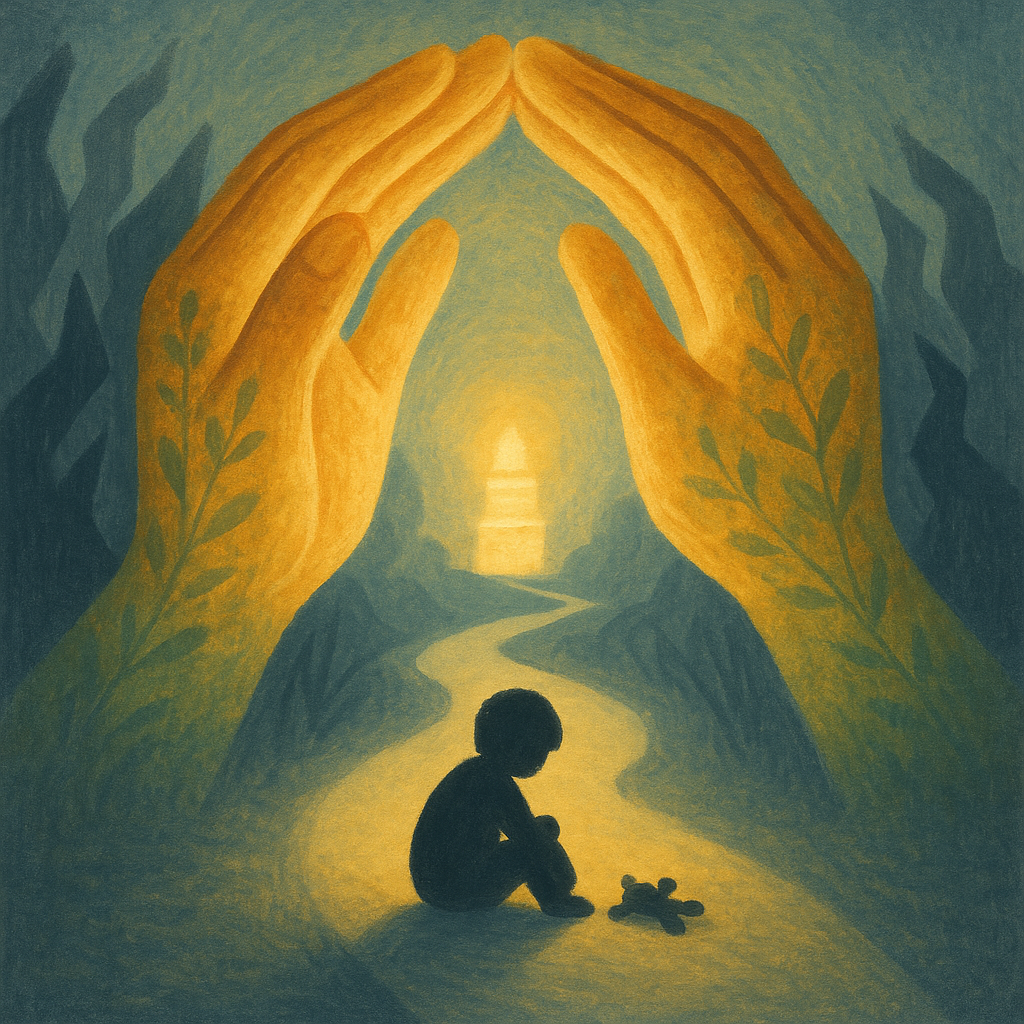
On 8 May 2026 the World Health Organization published an updated fact sheet on child maltreatment that pulls together the best available global evidence — and the picture it paints is urgent. The fact sheet defines child maltreatment as the abuse and neglect of anyone under 18 years of age, including physical and emotional ill‑treatment, sexual abuse, neglect, negligence and commercial or other exploitation. Importantly, maltreatment is described as harm that occurs within relationships of responsibility, trust or power and that affects a child’s health, survival, development or dignity.
How widespread is the problem?
WHO’s summary highlights that violence against children is not rare or isolated. Globally, about six in ten children under five — roughly 400 million young children — regularly experience physical punishment and/or psychological violence from parents or caregivers. The fact sheet also reports that around one in five women and one in seven men say they were sexually abused as children. Tragically, an estimated 40,150 homicide deaths of children under 18 occur each year; WHO cautions this number likely underestimates the true toll because many maltreatment‑related deaths are misclassified as accidents such as falls, burns or drowning.
Immediate and lifelong harms
Child maltreatment causes both immediate injuries — from bruises and head trauma to sexually transmitted infections and unintended adolescent pregnancy — and long‑term physical and psychological harm. Survivors face elevated risks of post‑traumatic stress, anxiety, depression and cognitive impairment; WHO notes that children who experience violence are about 13% more likely not to graduate from school. The organisation also links early maltreatment to disruptions in brain, nervous system and immune development, and to higher risks of noncommunicable diseases in adulthood (for example cardiovascular disease and cancer) through both increased risky behaviours and stress‑related biological pathways.
Who is at greater risk?
WHO organises risk factors across levels to help identify where prevention can act:
– Child‑level: very young children (under 4) and adolescents, unwanted children, prolonged crying, intellectual disability, neurological disorders, and children who identify as or are perceived to be LGBT.
– Caregiver/parent‑level: young parental age, poor parent–child bonding, histories of being maltreated, limited knowledge of child development, substance use (including during pregnancy), mental or neurological disorders, impulse‑control problems and financial stress.
– Relationship‑level: exposure to violence between adults in the household, large family size, social isolation and loss of extended‑family supports.
– Community/societal‑level: poverty and unemployment, gender and social inequality, easy access to alcohol and drugs, cultural norms that condone corporal punishment or glorify violence, and policies that increase socioeconomic inequality.
What works to prevent maltreatment?
WHO emphasises a multisectoral, public‑health approach and stresses that earlier interventions generally yield larger benefits. The fact sheet lists several effective or promising approaches that can be expanded in policy and practice:
– Parent and caregiver support programmes (for example home visits and community sessions) that build nurturing, non‑violent parenting skills.
– Education and life‑skills interventions — improving school enrolment and quality, teaching sexual‑abuse prevention to children and adolescents, and creating positive, violence‑free school climates.
– Norms‑and‑values interventions aimed at shifting harmful gender and discipline norms and promoting father involvement.
– Legal reforms such as laws banning violent punishment and strengthening protections against sexual abuse and exploitation.
– Strengthened response and support services for early case recognition and ongoing care of victims and families to reduce recurrence and mitigate harm.
WHO recommends using a four‑step public‑health cycle to guide investment and scale‑up: define the problem, identify causes and risk factors, design and test interventions, and then scale up what is proven to work.
WHO’s role and resources
Beyond summarising evidence, WHO provides global guidance and technical support. The fact sheet points readers to WHO tools and frameworks — including the INSPIRE package and a clinical handbook for health professionals responding to child maltreatment — and calls for increased investment in prevention, particularly in low‑ and middle‑income countries.
What this fact sheet does not tell us
The WHO fact sheet is a global synthesis of evidence and intentionally broad. It does not provide country‑level prevalence, trends or specific reporting procedures for particular countries. It also does not supply detailed costings, step‑by‑step implementation blueprints for national programmes, nor granular evaluation statistics (for example, effect sizes and confidence intervals) for every intervention it lists. Finally, the fact sheet is a technical summary and does not include first‑person survivor narratives or qualitative case studies.
Takeaway
The WHO fact sheet (8 May 2026) makes two things plain: child maltreatment affects hundreds of millions of children worldwide and its harms span a lifetime, but there are proven and promising ways to prevent it. Effective action requires coordinated, evidence‑based investment across families, schools, communities, health services and legal systems — and a commitment to intervene early. For writers, advocates and policy‑makers, the fact sheet is a concise resource pointing to practical programme approaches (from parenting supports to legal reform) and to WHO tools such as INSPIRE and the clinical handbook for further technical detail.
Leave a Reply