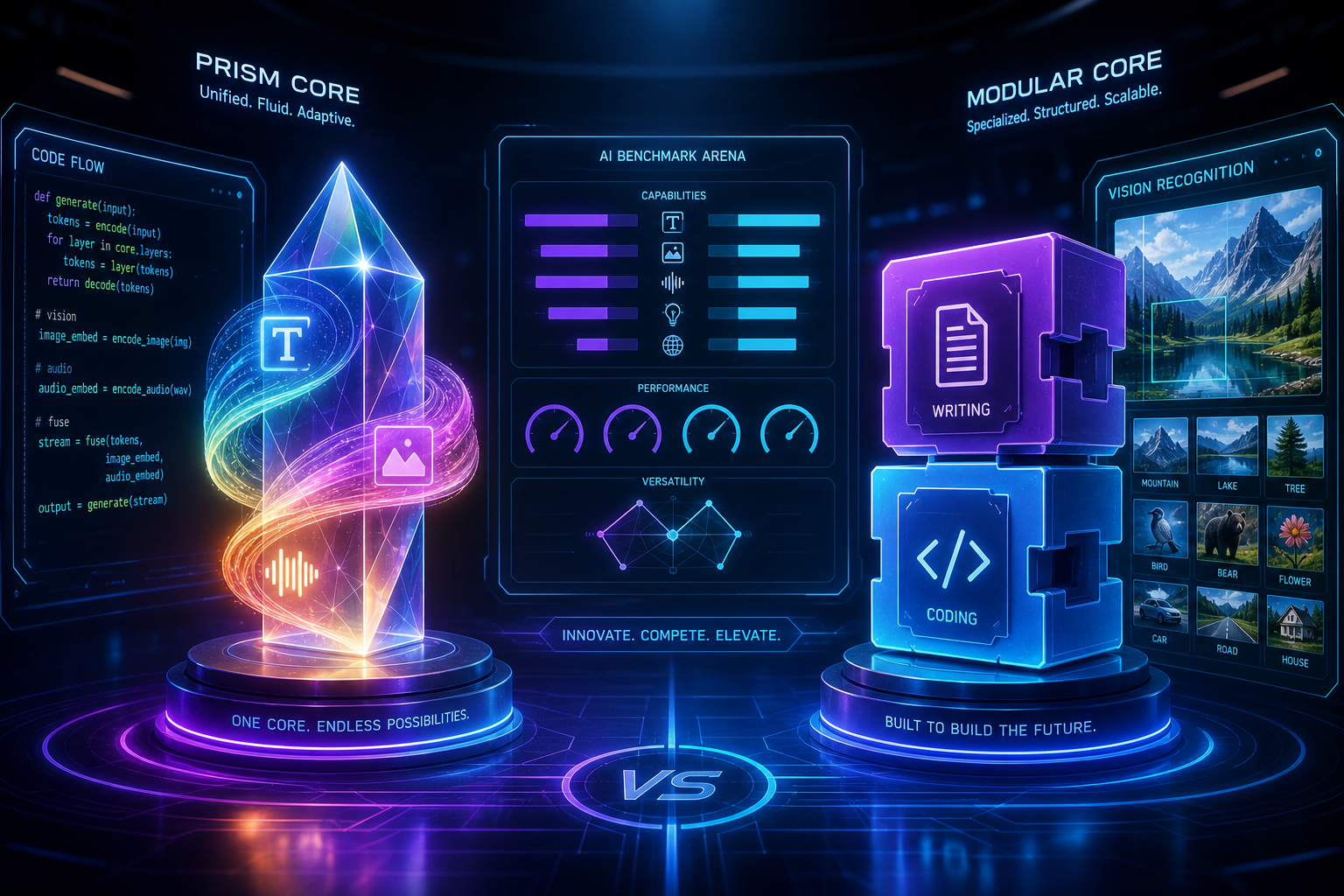
The OpenAI community recently sparked an in-depth discussion around Google’s newly launched Gemini model and its potential to outpace GPT-4. Gemini’s primary innovation lies in its multimodal capabilities, seamlessly handling text, images, and audio within a unified architecture, whereas OpenAI typically employs separate tools for different media types.
Many users note that, in several benchmarks, Google claims Gemini outperforms GPT-4 V. Some community members report that Bard, when powered by Gemini, demonstrates significantly better image recognition—such as accurately reading Kanji characters—compared to GPT-4. Additionally, Gemini’s video-based training has led some to believe its visual recognition is more advanced.
However, the competition isn’t one-sided. While Gemini is praised for its multimodal prowess, user experiences reveal that its code generation capabilities often lag behind GPT-4, with suggestions that the quality is similar to early ChatGPT-3.5 versions. Bard with Gemini as the backend is described as faster, yet users still prefer GPT-4 for tasks like code snippet generation due to better accuracy and reliability.
Discussions also clarify that Bard is currently using Gemini Pro, and its benchmarks place it more in line with GPT-3.5 for text tasks. The highly anticipated Gemini Ultra model is reportedly optimized for scalability and promises significant improvements, but its general availability remains limited to select customers and developers.
Overall, the AI landscape is rapidly evolving. While Gemini makes strong strides, especially in combining multimodal tasks within one system, many in the developer and user community still depend on GPT-4 for high-quality code and robust text processing. The AI arms race continues, with each new release pushing the boundaries of what’s possible in artificial intelligence.
Leave a Reply