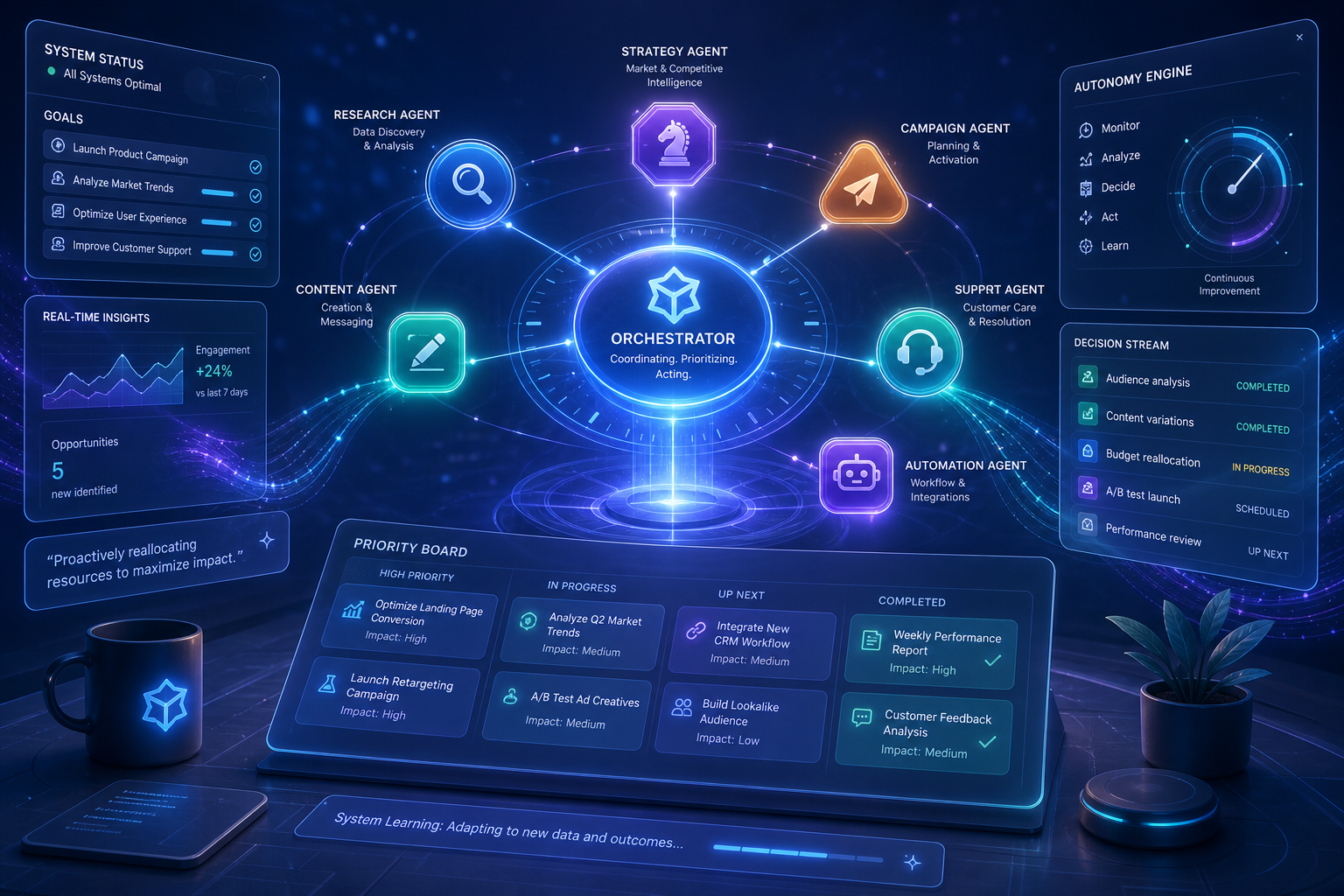
Agentic AI is ushering in a new era of artificial intelligence, one marked by autonomy and advanced decision-making capabilities. According to MIT Sloan, agentic AI refers to systems that integrate multiple, distinct agents working together to orchestrate tasks—much like a streamlined marketplace of digital collaborators. These systems can be either semi-autonomous or fully autonomous, empowering them to act independently or with minimal supervision.
At its core, agentic AI differs from traditional automation by going beyond simple, predetermined rules. Instead, the agents leverage machine learning models to mimic human decision-making and solve problems in real-time. For example, agentic AI can break down complex goals into actionable tasks, make decisions based on changing data, and even coordinate among agents to reach a shared objective.
The implications of this technology stretch across sectors—from business automation and personal productivity tools to more intricate collaborative environments. As expert insights from MIT underline, the development of orchestrated, goal-oriented AI agents marks a significant shift, enabling systems that can not only respond, but proactively drive outcomes with increasing sophistication. As we enter the age of agentic AI, the potential for innovation and transformation is unprecedented.
Leave a Reply