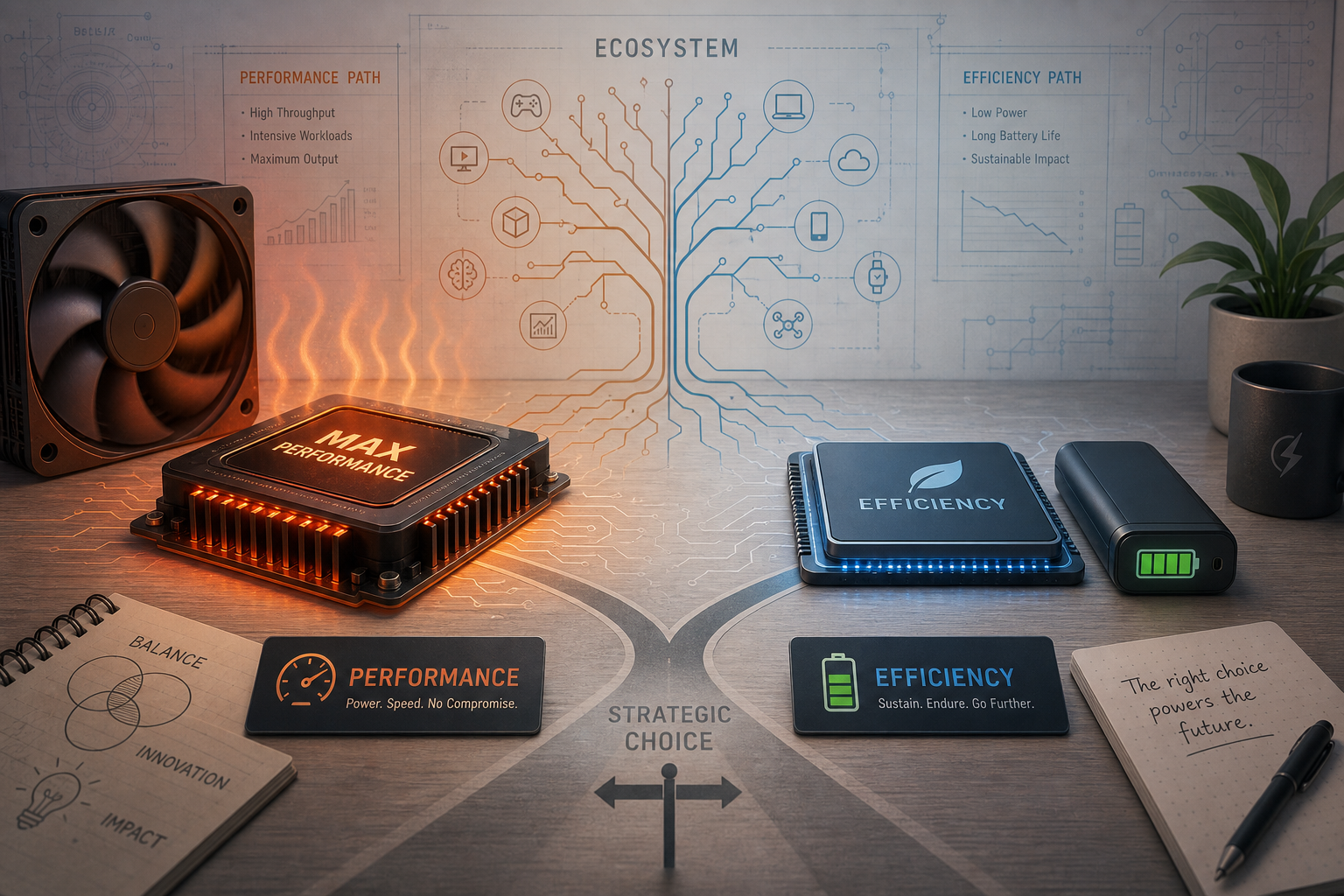
The question of why x86 processors often consume more energy than ARM designs keeps resurfacing, and a recent discussion highlights how quickly the topic turns into something bigger than a simple “CISC vs. RISC” slogan.
At the center of the conversation is a practical observation: people notice that x86 laptops and desktops tend to run hotter and draw more power, while ARM-based devices are widely associated with longer battery life. That contrast fuels a familiar second thought—if power efficiency has been so important for so long, why didn’t Intel prioritize it earlier, and did attempts like the Atom line really move the needle?
The thread frames the issue as a modern comparison rather than a nostalgic architecture debate. It’s not just about instruction set labels; it’s about how real-world processors get built, tuned, and sold. In other words, “x86” and “ARM” are shorthand for entire ecosystems and decades of design decisions, not just two competing lists of instructions.
What makes the discussion compelling is the undercurrent of strategic anxiety: if ARM can deliver strong performance with lower energy use, what does that imply for the long dominance of x86 in personal computing? The comments point toward a broader industry pattern—mobile-first expectations have changed what “good enough” means, and efficiency has become a headline feature rather than a quiet engineering goal.
Ultimately, the takeaway isn’t a single technical silver bullet. It’s that energy use is the result of accumulated choices: performance targets, product positioning, and the reality that the market often rewards what wins today—even if it leaves efficiency questions to be debated loudly later.
Leave a Reply