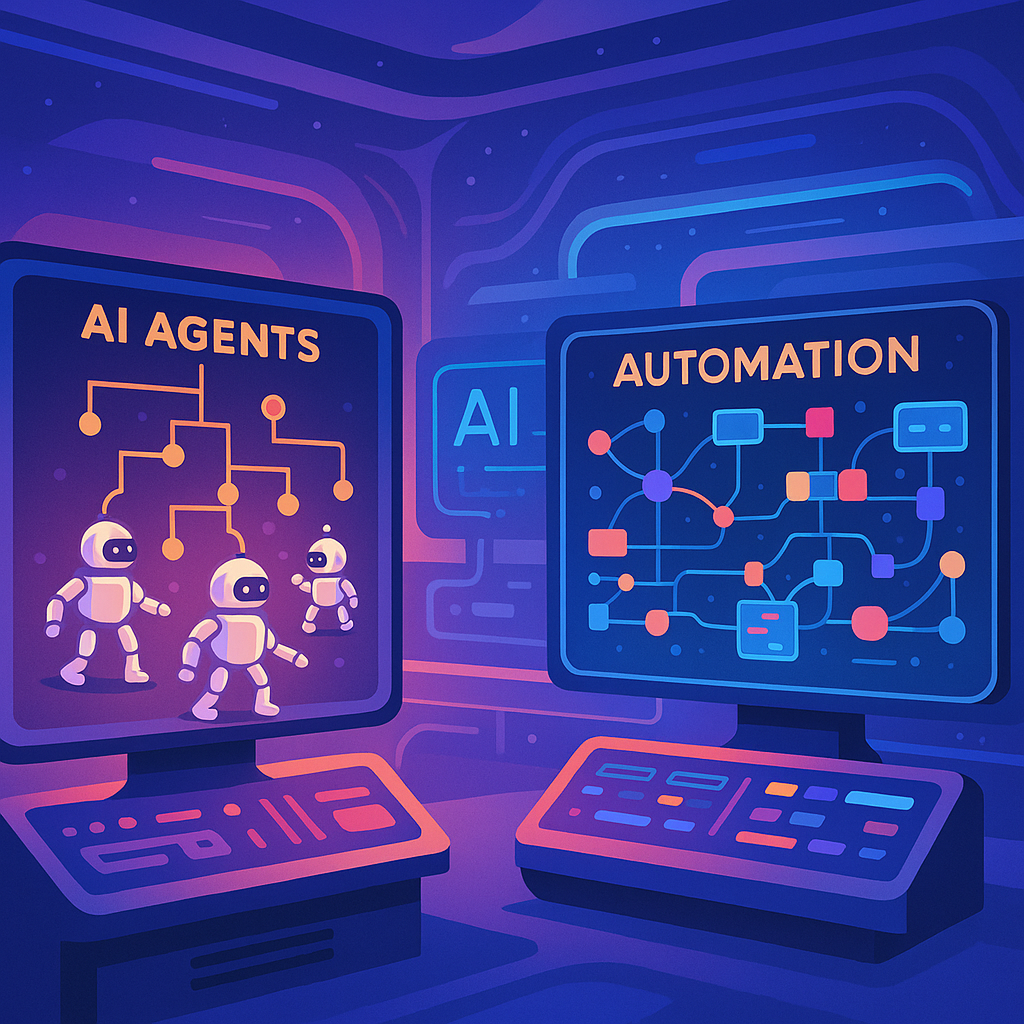
In the evolving landscape of AI automation and workflow integration, two prominent tools—OpenClaw and n8n—are often compared, but they serve distinct purposes and excel in different aspects.
OpenClaw is known as a more general-purpose and open-ended AI agent platform. It autonomously decides its own steps end-to-end and can recover from errors and adapt to unexpected situations independently. This makes OpenClaw highly suitable for complex, judgment-requiring tasks where flexibility and autonomous decision-making are essential.
On the other hand, n8n is fundamentally an integration and workflow automation layer. It requires users to build the workflow graph, with AI handling reasoning within those defined steps. n8n triggers on events, handles data routing, and offers granular control over agents and workflows, making it a preferred choice for users who need detailed supervision and customization of automation processes.
A unique community contribution has been the creation of “n8n-claw,” which is essentially a recreation of OpenClaw within the n8n environment, combining the benefits of both platforms. This community project leverages n8n with Supabase and includes workflows like MCP Builder and Workflow Builder, making installation and deployment simpler for users looking to harness OpenClaw’s capabilities in n8n.
Cost models also differ: n8n’s pricing scales with execution volume, while OpenClaw’s cost is primarily tied to LLM (Large Language Model) API usage. This distinction influences the choice depending on the complexity and volume of tasks.
In advanced use cases, hybrid setups exist where OpenClaw handles tasks requiring judgment, while n8n executes workflows triggered by events and manages data routing — often connecting through webhooks or HTTP API calls.
Further innovations include MCP servers built on n8n to enable platforms like Claude, Cursor, and OpenClaw to self-heal and debug workflows autonomously, blending the robustness of expert systems with the flexibility of visual automation.
In summary, OpenClaw suits scenarios demanding autonomous AI agent adaptability, while n8n excels in precise, user-defined automation and integration tasks. Many developers and organizations consider leveraging both in tandem to maximize automation power in 2026 and beyond.
Leave a Reply