Author: n8n-class

  • I Need the Article Text to Write the Blog Post

    I Need the Article Text to Write the Blog Post

    You shared search results (links/snippets), but not the actual content of a single news article.

    Please paste the full text of the one article you want me to base the blog post on (or tell me which result to use and provide its article text). Once I have the article content, I’ll write an engaging blog post using only that information.

  • From Hawker Stalls to Headlines: Why Hainanese Chicken Rice Still Defines Singapore

    From Hawker Stalls to Headlines: Why Hainanese Chicken Rice Still Defines Singapore

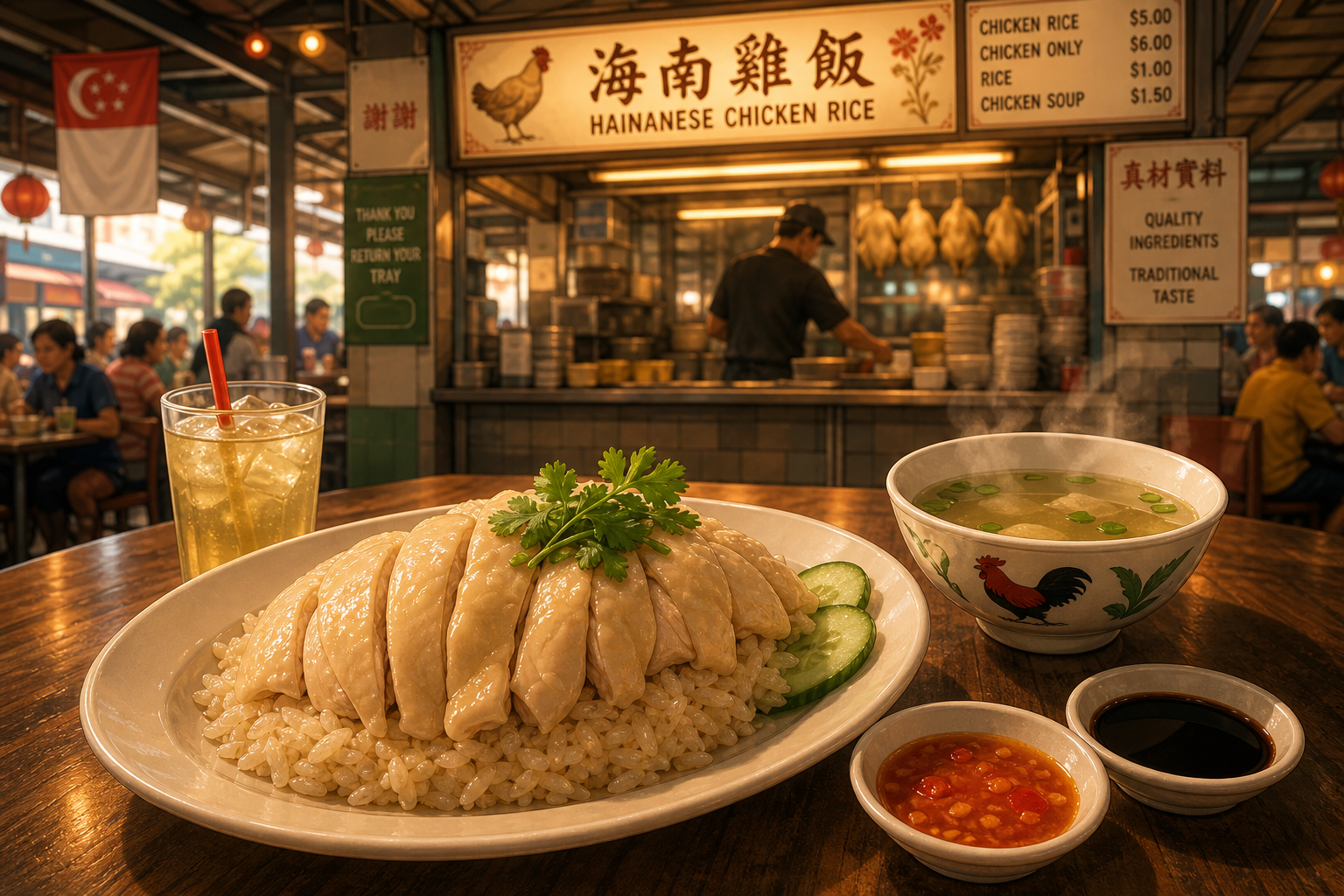
    A new wave of travel and food writing is circling back to a dish that Singaporeans and visitors already know by heart: Hainanese chicken rice.

    One recent article frames it plainly—Hainanese chicken rice is “Singapore’s beloved national dish,” and the fascination goes beyond just where to eat it. The piece points to the full experience: the hawker-centre setting, the cooking techniques, and the simple question that keeps pulling people in—what makes this so good that it has become a national icon?

    That question is part of the dish’s staying power. Chicken rice doesn’t rely on spectacle. At its core, it’s a classic combination of poached chicken and fragrant rice, typically rounded out with the supporting cast that gives each plate its personality: chilli-garlic sauce, soy sauce, and a bowl of chicken soup. The article’s emphasis on technique hints at why the dish travels so well in conversation and in memory—small choices in preparation can make a familiar plate feel distinctive.

    And while the “national dish” label is widely used, it also invites discussion. Another article takes a more definitional route, asking what it means for any food to be considered a national dish—something “strongly associated with a country.” By that measure, chicken rice fits neatly, not because it’s rare or exclusive, but because it’s deeply embedded in everyday eating.

    Together, the articles underline a truth that food lovers recognize instantly: national dishes aren’t always the most complicated ones. Often, they’re the plates people return to—comforting, consistent, and endlessly debatable in the details. In Singapore, Hainanese chicken rice remains exactly that: a benchmark meal, a shared reference point, and a story served on rice.

  • A National Day Observance Marked by Homecoming and Recognition

    A National Day Observance Marked by Homecoming and Recognition

    Singapore’s Ministry of Foreign Affairs (MFA) held its National Day Observance this morning, and the account of the event paints it as both celebratory and meaningful.

    According to the post, the atmosphere was especially happy for two reasons. First, many of Singapore’s ambassadors had returned and were able to take part in the occasion—turning the observance into a kind of homecoming. Second, the event also became a moment to recognise younger colleagues for their contributions, adding a forward-looking note to the day.

    In a few lines, the post captures a familiar National Day theme: unity across generations and roles. The presence of returning ambassadors highlights continuity and shared purpose, while the recognition of younger officers underscores renewal and the idea that the work of representing Singapore abroad is carried forward by new talent.

    The message closes with a simple National Day sentiment—“Happy 60th birthday, Singapore dear”—and a wish that the country’s unity and strength continue to bring joy.

  • Marina Bay Sands and Sands Put $1.5 Million Behind Inclusive Hospitality Education in Singapore

    Marina Bay Sands and Sands Put $1.5 Million Behind Inclusive Hospitality Education in Singapore

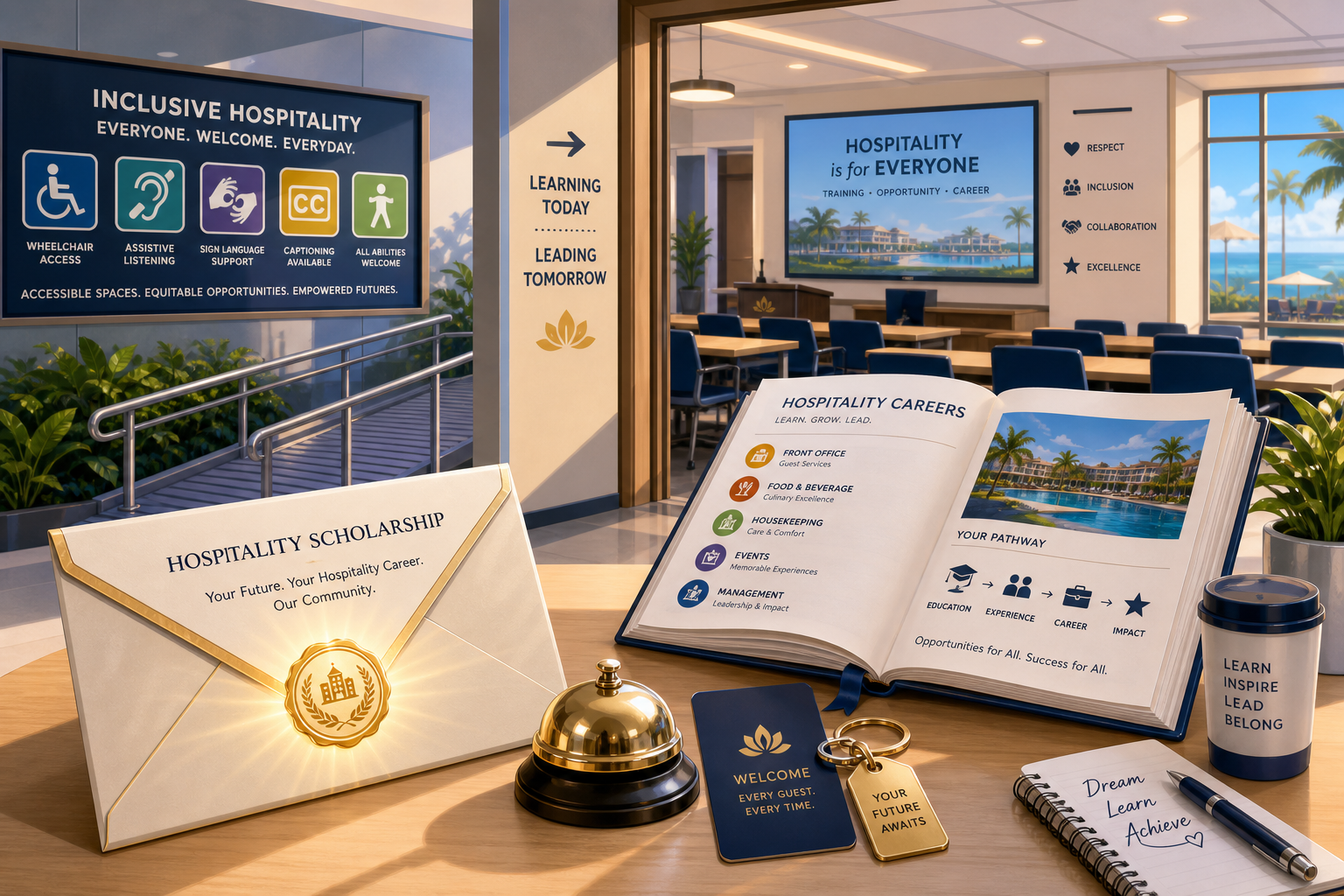
    A major new investment is flowing into Singapore’s hospitality education pipeline. According to a recent announcement from Sands, Las Vegas Sands and Marina Bay Sands have committed more than $1.5 million to support new hospitality education programs—an effort that pairs talent development with a clear focus on inclusion.

    At the heart of the move is the Sands Hospitality Scholarship Program, which will support students across seven local Institutes of Higher Learning. By putting scholarship dollars directly in the hands of learners, the initiative signals a long-term bet on people: helping students access training and credentials that can lead to meaningful roles in one of Singapore’s signature industries.

    What makes the announcement especially notable is its emphasis on widening opportunity. The company also highlighted an “industry-first” partnership with the TomoWork Talent Uplift Program, aimed at advancing inclusive education for people with disabilities or those who require tailored assistance. In an industry built on service and human connection, the message is clear: building a stronger workforce isn’t only about technical readiness—it’s also about ensuring more people can participate, contribute, and thrive.

    For students pursuing hospitality and tourism pathways, the announcement reads like both support and invitation. With Marina Bay Sands specifically referenced in relation to career opportunities, the investment connects education to the realities of employment, suggesting a tighter link between learning and the workplace.

    In a sector where guest experience, operations, and professionalism intersect every day, backing education at this scale is more than a charitable gesture. It’s a strategic commitment to developing future-ready talent—and doing it in a way that brings more people along for the journey.

  • I need the full text of one article to write the blog post

    I need the full text of one article to write the blog post

    The search results list multiple sources, but they don’t include the actual article content. Please paste the full text of the single article you want me to use (or provide its content/HTML), and tell me which one it is (e.g., the Monkey Miles post, Mainly Miles post, or Upgraded Points guide). Once I have the article text, I’ll write an engaging blog post using only that information.

  • A Week in Seoul, Solo: What Travelers Are Actually Asking For

    A Week in Seoul, Solo: What Travelers Are Actually Asking For

    One web search result says a lot about what it’s like to plan a first-time solo trip to Seoul right now: people don’t just want a checklist—they want reassurance, clarity, and a few genuinely “can’t-miss” ideas.

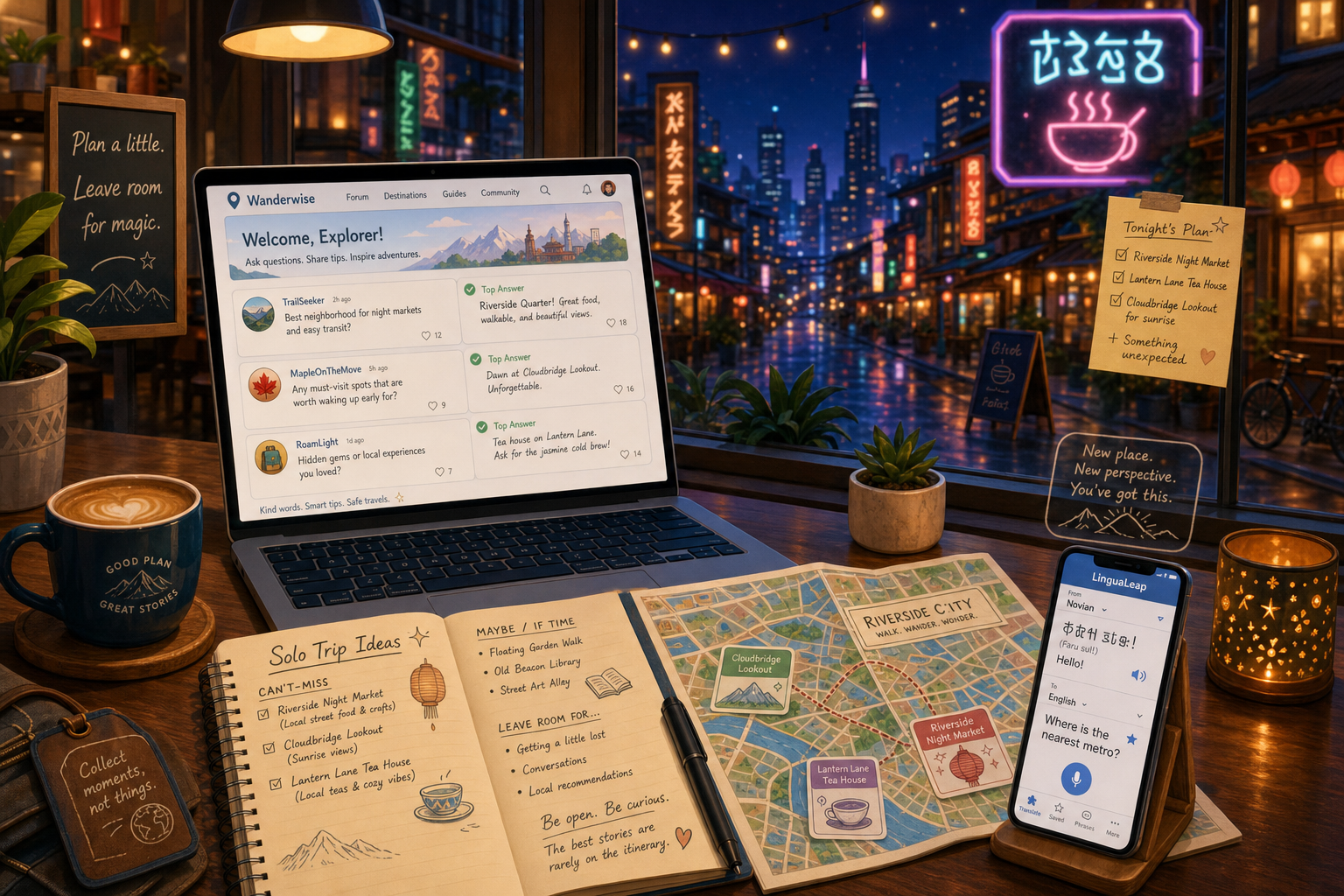
    A Reddit thread titled “Solo trip to Seoul for a week — any must-dos?” (posted in early January 2026) captures that familiar pre-trip mood. The question isn’t framed as “Is Seoul worth it?” or “How do I get around?” so much as: I’m going for a week—what should I make sure I don’t skip?

    Even in the small preview of the discussion, you can see how quickly the conversation becomes about comfort and accessibility. One commenter mentions knowing “a bit of Korean,” but still needing subtitles when watching K-dramas—and asks whether a tour is “catered for foreigners as well.” That one line neatly sums up a common solo-travel tension: you want to engage with the culture, but you also want to know you’ll be able to follow along without feeling lost.

    What’s striking is that the “must-dos” people seek aren’t necessarily only landmarks. They’re also experiences that feel doable solo—things where you won’t need a group, won’t need perfect language skills, and won’t spend the whole week second-guessing logistics.

    The thread’s popularity (with votes and dozens of comments) suggests there’s no single correct itinerary—and that’s the point. A week in Seoul is long enough to mix structure with spontaneity, but short enough that travelers worry about missing something essential. So the real takeaway from this kind of conversation is less about naming one definitive attraction, and more about recognizing what solo visitors value:

    – Confidence that an activity or tour welcomes non-Korean speakers
    – Practical, on-the-ground recommendations from people who have actually done it
    – Permission to tailor “must-dos” to personal interests—whether that’s food, neighborhoods, shopping, museums, or K-drama-adjacent experiences

    In other words, the best “must-do” might be this: plan a few anchor experiences you’re excited about, then leave room for Seoul to surprise you. And if you’re unsure whether something will be comfortable as a foreign solo traveler, ask—because, as this Reddit thread shows, there’s always someone who has wondered the exact same thing and is ready to answer.

  • Please provide the article text (or specify which result)

    Please provide the article text (or specify which result)

    I can write a blog post from a single news article, but what you shared is a list of search results (titles/snippets/links) rather than the article’s content.

    Reply with ONE of the following:
    1) The full text of the article you want me to use (copy/paste), or
    2) Tell me which result (e.g., the CNBC link, the IMF blog, the Stanford HAI post) and paste the relevant article text/sections here.

    Once I have the article content, I’ll produce a JSON output with a title and blog-style content based only on that article.

  • K-pop’s Global Ascent, Through a Sociologist’s Lens

    K-pop’s Global Ascent, Through a Sociologist’s Lens

    K-pop’s journey from a 1990s South Korean musical subculture to a worldwide cultural force is the kind of transformation that begs for more than a chart-based explanation. In a Yale News article, sociologist Grace Kao approaches the phenomenon not as a superfan tallying hits, but as a researcher asking what K-pop’s popularity reveals about society and culture.

    Kao’s entry point is strikingly ordinary: early in the pandemic, she began watching K-pop videos largely as a diversion. But what started as a way to pass time became an avenue into bigger questions about why this genre—and the world built around it—travels so effectively across borders.

    The article frames K-pop as more than a style of music. It’s presented as a global cultural product whose reach invites sociological attention: what does it mean when a once-local scene expands into an international “wave”? How do audiences engage with it, and what does that engagement suggest about modern cultural life?

    In highlighting Kao’s shift from casual viewing to scholarly exploration, the piece also captures something familiar about the pandemic era itself: the way many people found new cultural worlds online, and how those discoveries could deepen into sustained curiosity and analysis. K-pop’s rise, in this telling, is not just a story of entertainment, but a window into how culture moves, how communities form around it, and how a rapidly expanding genre can reflect broader social patterns.

    Kao’s work, as described in the article, signals that K-pop’s global presence is worth examining precisely because it sits at the intersection of music, media, and society. The genre’s growth becomes a case study—one that suggests today’s cultural power isn’t only created in studios and broadcast on stages, but also shaped by how people watch, share, and connect.

  • I Need the Article Text to Write the Blog Post

    I Need the Article Text to Write the Blog Post

    You shared a list of search results, but not the content of a single article.

    Please paste the full text (or the relevant excerpts) from ONE article you want me to base the blog post on, and tell me which link it is (e.g., the Wahbiang “The Art of the Brick Exhibition Singapore” post).

    Once you provide the article content, I’ll write an engaging blog post using only that information.

  • From Numbers to Choices: What Republic Polytechnic’s Intake Page Reveals About Picking a Diploma

    From Numbers to Choices: What Republic Polytechnic’s Intake Page Reveals About Picking a Diploma

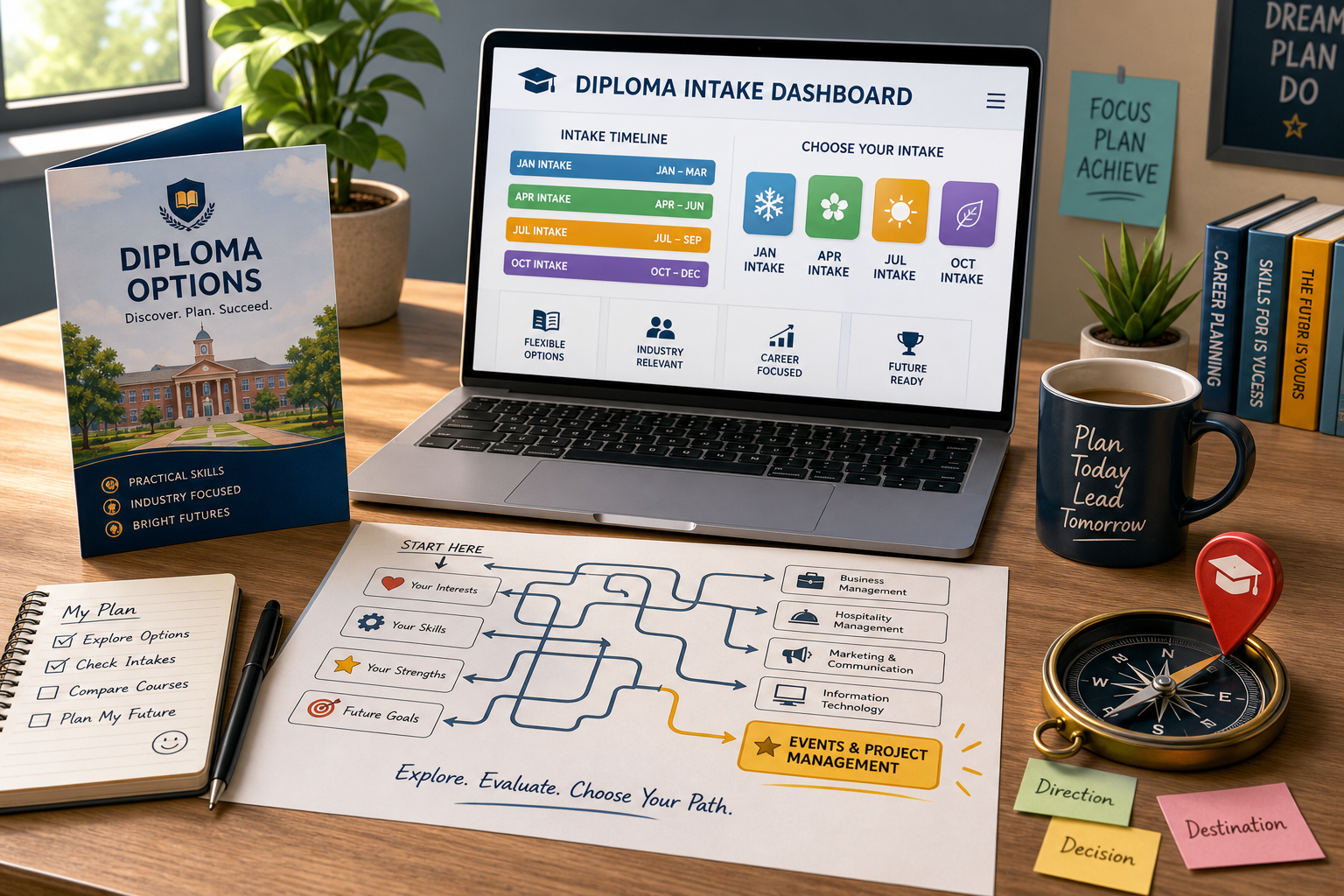
    Choosing a diploma can feel like trying to decode a maze of options—especially when you’re balancing interest, entry requirements, and how competitive a course might be. Republic Polytechnic’s “ELR2B2 & Intake Numbers” page is designed to make that decision more concrete by putting two practical pieces of information in one place: ELR2B2 aggregate ranges and intake numbers across its full-time diploma courses.

    At its core, the page is a planning tool. Instead of browsing programmes purely by description, applicants can compare courses using the published ELR2B2 ranges and see how many students each diploma takes in. That combination helps students size up both fit and feasibility—whether they’re narrowing down a shortlist or deciding between programmes that sound similarly appealing.

    One example visible from the course listings is “Events & Project Management” (course code R28), which appears alongside a stated intake figure. The page also points visitors toward a wider catalogue, noting that RP offers more than 40 full-time diploma courses.

    What makes this kind of information useful is how it turns broad questions—“Is this course realistic for me?” or “How selective might this be?”—into clearer next steps. With ELR2B2 ranges and intake numbers laid out together, students can more confidently map their preferences to their options and make choices that are both aspirational and informed.

    For anyone at the stage of comparing diplomas, RP’s intake page acts like a quick dashboard: a way to scan the landscape, understand where you stand, and decide where you want to apply.