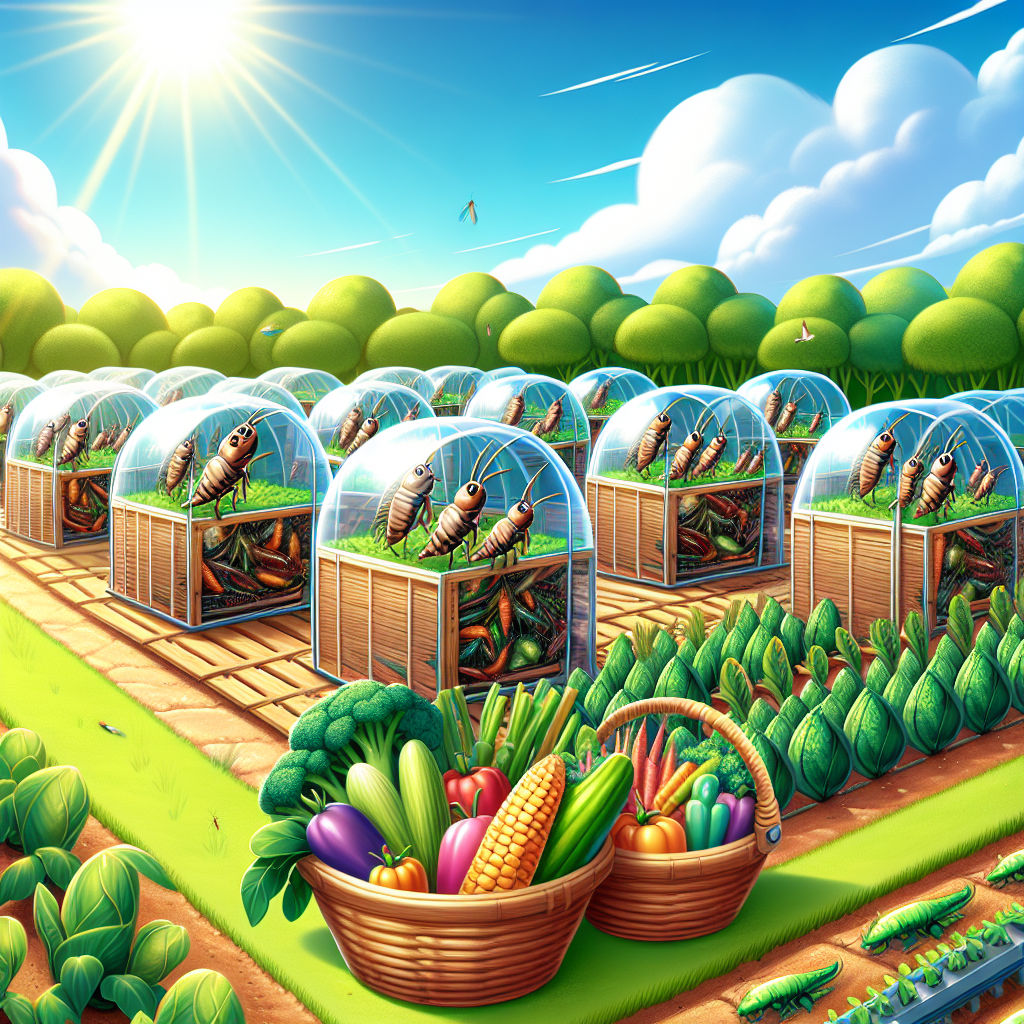
A recent article published in October 2024 in Food Chemistry: X highlights edible crickets as a potential answer to the persistent problem of protein malnutrition, especially in developing regions. As global populations rise and traditional livestock becomes both environmentally taxing and insufficient to meet demands, alternative protein sources are gaining attention.
Crickets stand out due to their impressive nutritional profile, providing high-quality protein, vitamins, minerals, and even essential fatty acids like omega-3. Significantly, the article notes that several edible insect species, including the common house cricket, are no longer considered “new foods” in regulatory frameworks in places such as Canada.
Beyond nutrition, the sustainability of cricket farming is a major advantage. Unlike livestock, crickets have a much smaller environmental footprint. Their cultivation produces fewer greenhouse gases, requires less land and water, and generates less waste.
However, the article also emphasizes some concerns. Allergenicity and safety must be closely monitored as edible cricket products become integrated into global food systems. Continued research and regulatory oversight are needed to ensure these products are safe for widespread consumption.
Overall, edible crickets are positioned as a sustainable, nutritious option that could play a crucial role in fighting protein deficiency and supporting both food security and environmental health worldwide.
Leave a Reply