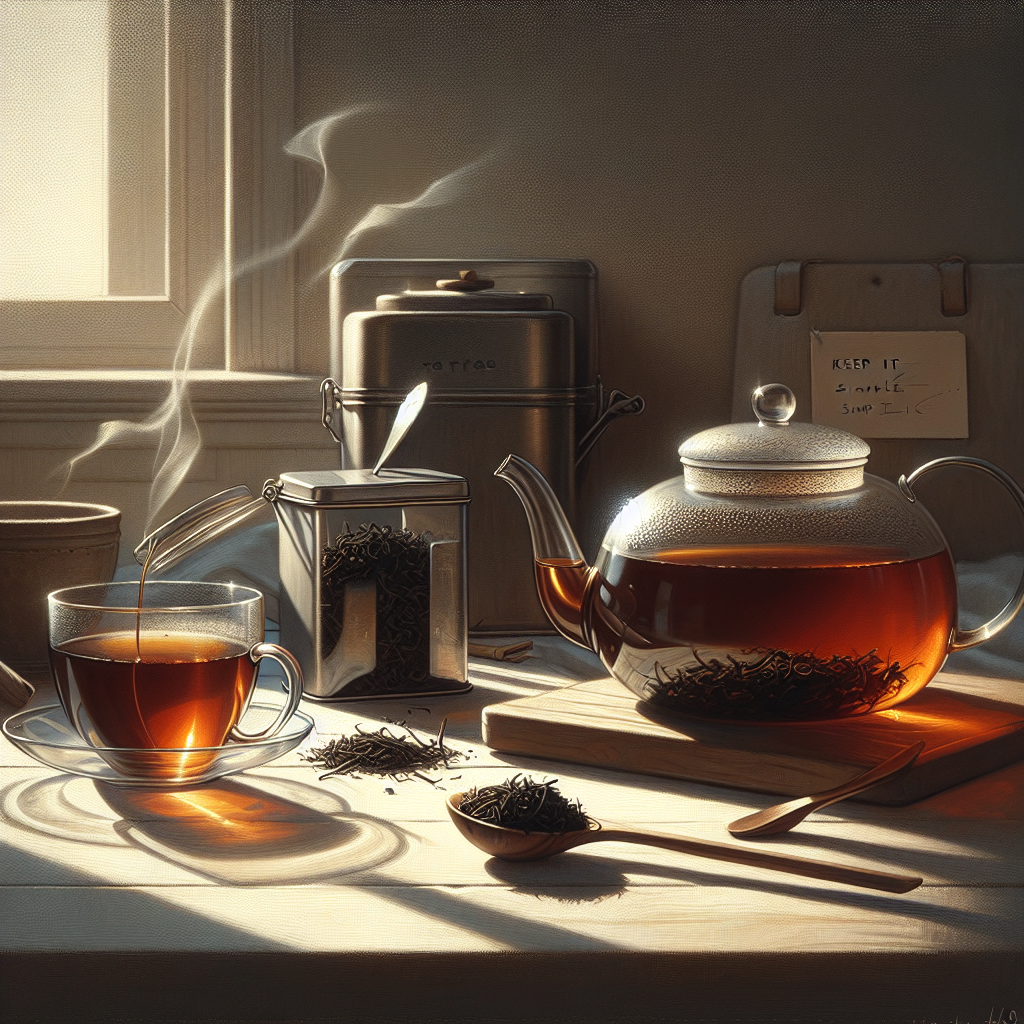
Black tea has been part of human life for thousands of years—and as UCLA Health notes, tea remains the second most-consumed beverage in the world after water. But black tea isn’t just popular because it’s comforting and familiar. The article lays out several clear reasons this classic brew keeps showing up in healthy routines.
### A long-loved drink with modern-day appeal
One of the most striking takeaways from UCLA Health’s piece is how strongly experts agree on the value of tea in general: across varieties, tea offers benefits. Black tea, in particular, stands out as an easy, widely available option that fits into daily life without feeling like a “health project.” It’s simply a cup you can enjoy—while still getting meaningful perks.
### What the article highlights about black tea’s benefits
UCLA Health frames black tea as a beverage with multiple health advantages. While people often think of tea as merely a low-calorie alternative to sugary drinks, the article emphasizes that black tea’s positives go beyond what it *doesn’t* contain.
Just as importantly, the article points out that *how you drink it* can shape what you get out of it.
### Skip the add-ins if you want the full upside
A key practical note from the article: black tea without added milk and sugar may be a healthier choice than tea sweetened or made richer with those extras. If your goal is to drink black tea for its benefits, keeping it simple matters.
### A small upgrade: consider loose leaves
Another tip UCLA Health includes is about preparation: for people aiming to get “all the benefits,” using loose tea leaves—rather than a tea bag—is recommended. It’s a small shift, but it’s an easy way to make your daily cup feel a bit more intentional.
### The bottom line
The UCLA Health article makes a straightforward case for black tea: it’s a time-tested drink with real benefits, and the simplest version—brewed from loose leaves and enjoyed without milk and sugar—is positioned as the best way to capture the most from every cup.
Leave a Reply