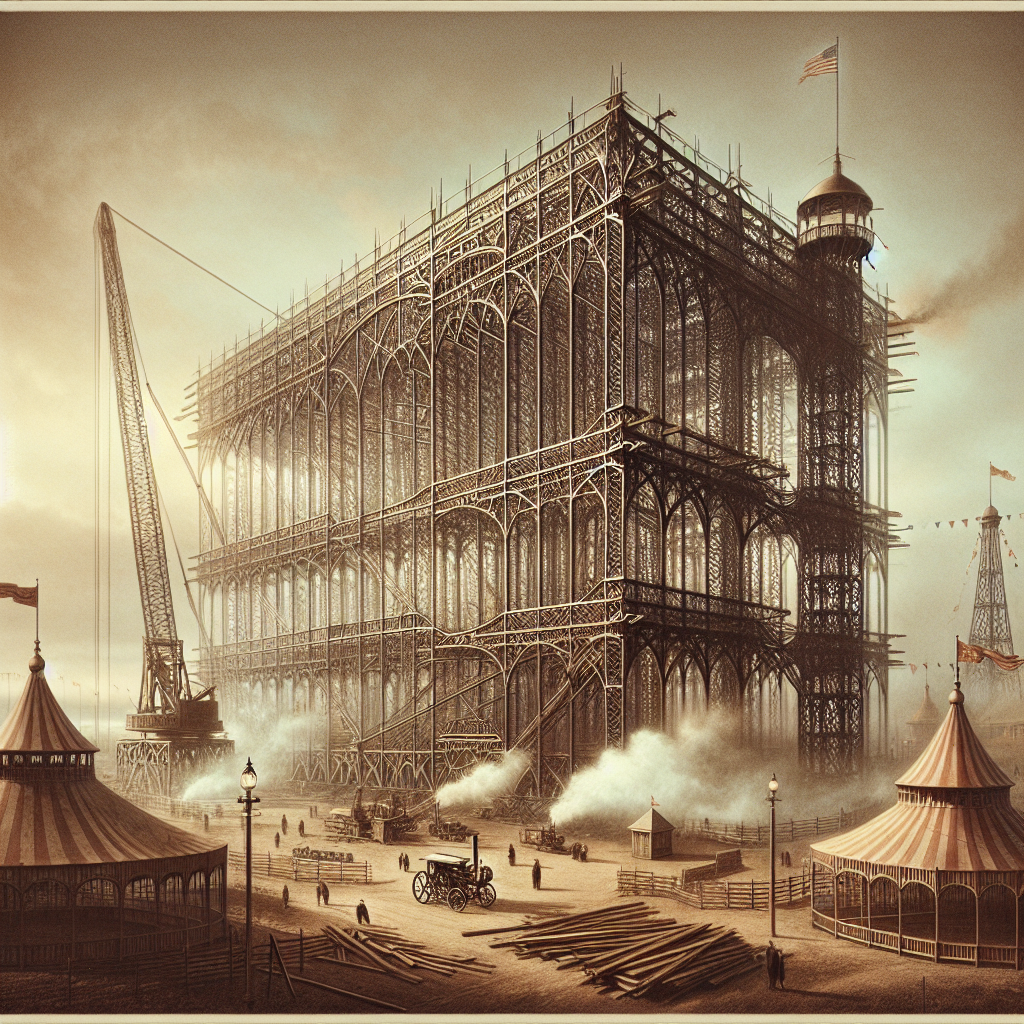
In the chill of late January 1887, the very first digging for what would become one of the world’s most iconic landmarks began. The project—conceived to be a centerpiece for the 1889 World’s Fair, itself timed to mark the centenary of the French Revolution—moved forward with astonishing speed and purpose.
On 31 March 1889 the work was declared finished. From the first shovel in the ground to completion, the Tower went up in a record 2 years, 2 months and 5 days. That brisk timetable — captured on the monument’s official history — speaks to an era of bold engineering and ambitious public spectacle.
Knowing those bare dates changes how we see the structure: not just as a familiar silhouette on the Paris skyline, but as a concentrated burst of human effort and national pride built to meet a specific moment in history. The Eiffel Tower’s rapid rise remains a reminder of what focused planning and determination can achieve in a short span of time.
Leave a Reply