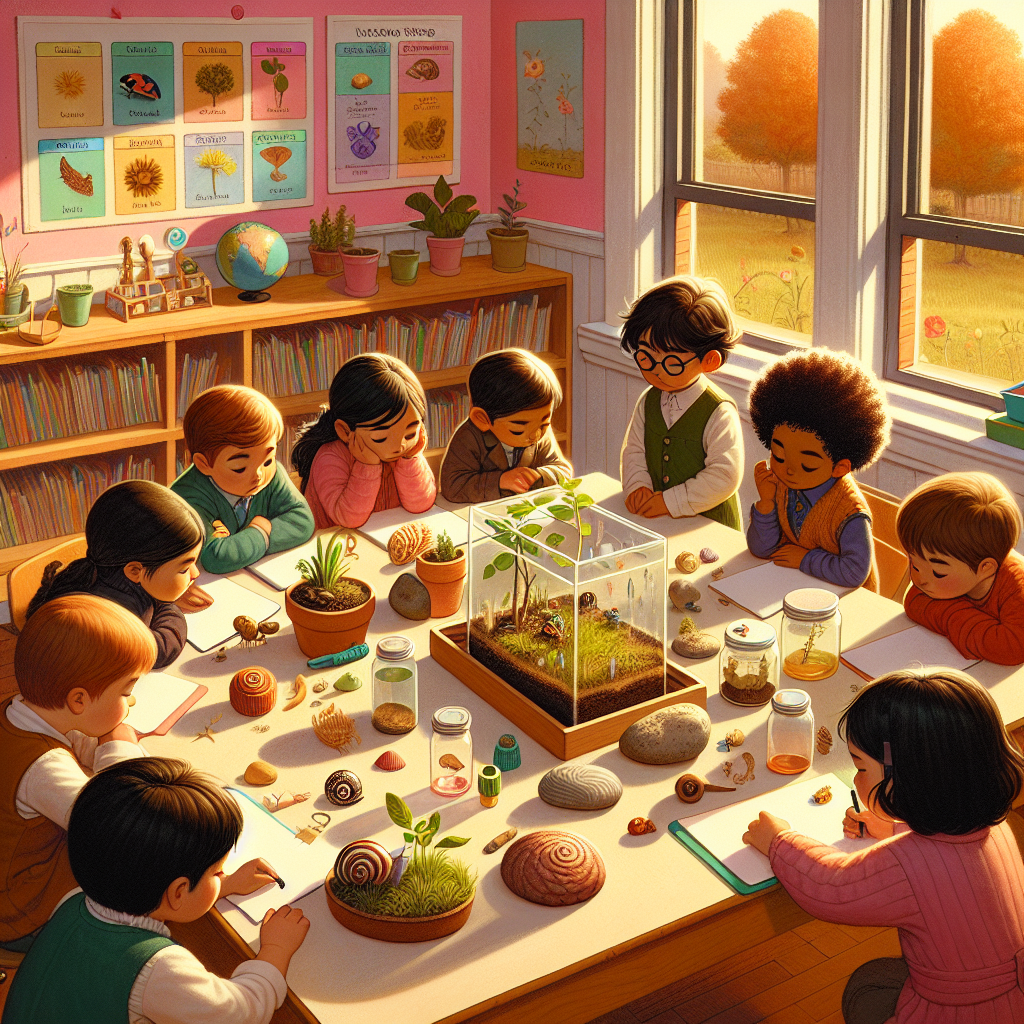
Teaching young learners the difference between living and non‑living things is more than a single lesson — it’s a vital foundation for later work in life sciences, life cycles, biology and ecology. In “Teaching Living and Non‑Living Things in Kindergarten,” Zeba McGibbon emphasizes that early experiences in sorting and observing set the stage for deeper scientific thinking.
A simple, powerful strategy highlighted in the article is to group living things together and invite students to observe their needs and similarities. That focused comparison helps children notice patterns, ask questions, and begin to understand relationships between organisms — skills that carry forward into units on life cycles and ecosystems.
Framed as hands‑on exploration, this approach encourages curiosity and builds observation skills without requiring complex materials or prior knowledge. By centering lessons on what students can see and compare, teachers create an accessible entry point into science that’s developmentally appropriate for kindergarteners.
McGibbon’s piece is a reminder that early science instruction can be both simple and meaningful: small, well‑directed activities help children make sense of living things and prepare them for the bigger ideas they’ll encounter later.
Leave a Reply