Chinese New Year is more than a date on the calendar — it’s a season of rituals, family reunions, and symbols meant to sweep away the old and welcome luck and prosperity for the year ahead. Celebrated at the turn of the lunar calendar (typically between late January and mid-February), the festival blends folklore, food, and thoughtful customs that connect generations.
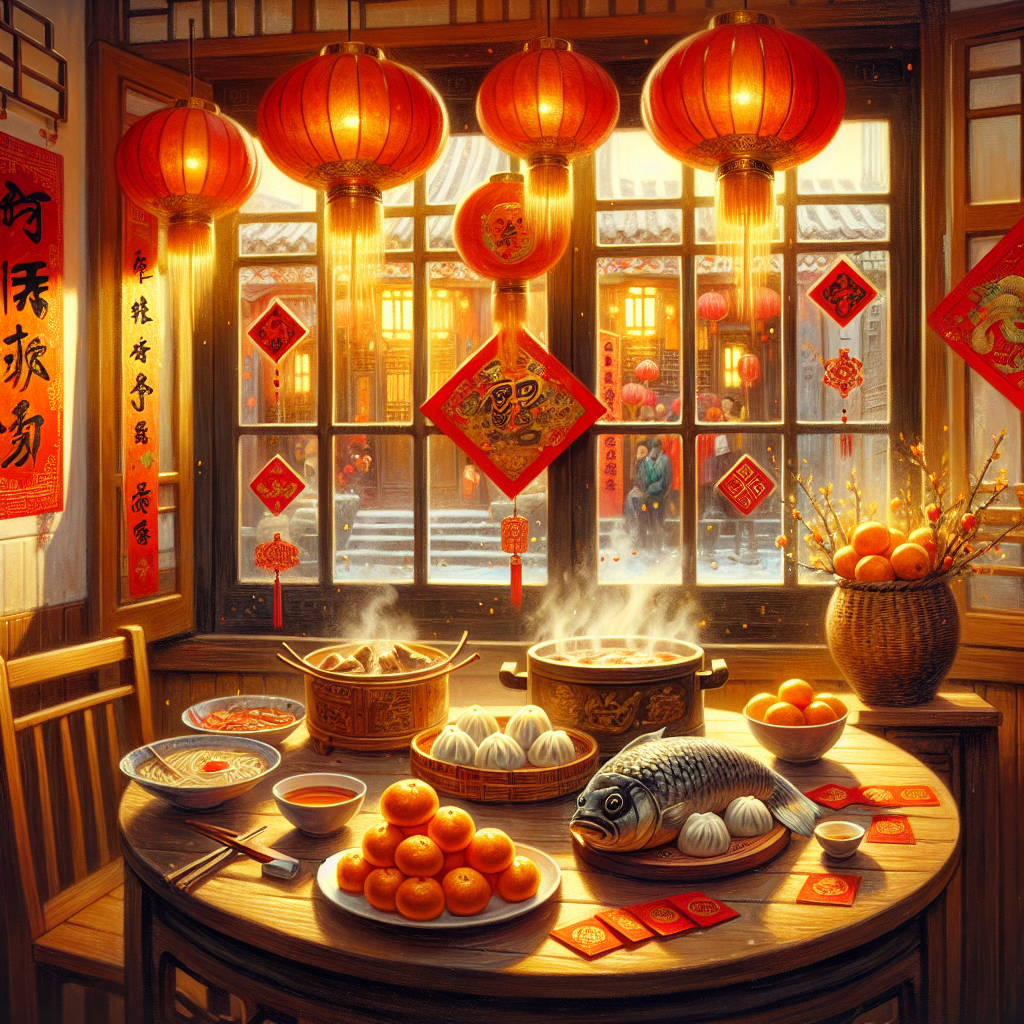
At the heart of the holiday is the reunion dinner: families gather, often traveling long distances, to share a lavish meal on New Year’s Eve. This feast is a time for catching up, honoring elders, and serving dishes that symbolize good fortune—fish for abundance, dumplings for wealth, and long noodles for longevity.
Preparing for the New Year begins days in advance. Homes are thoroughly cleaned to remove bad luck from the previous year, then decorated with red paper couplets, lanterns, and auspicious symbols. Red is everywhere because it’s believed to ward off bad spirits and attract good fortune. Many people also replace old items, wear new clothes, and avoid borrowing or lending money so they start the year “square.”
Gift-giving and lucky money are central customs. Children and younger relatives traditionally receive red envelopes (hongbao) containing money, a gesture intended to convey blessings and protection. Small presents of fruit—especially tangerines and oranges—are common as they symbolize luck and wealth.
Public festivities bring the holiday to life. Lion and dragon dances, accompanied by drums and cymbals, parade through streets and markets to chase away evil and bring prosperity. Fireworks and firecrackers are set off to scare away malicious spirits and to create a joyful, energetic atmosphere. Many communities also hold temple fairs and cultural performances that showcase music, crafts, and folk traditions.
There are also customs and taboos observed to protect the year’s good fortune: avoid sweeping or cleaning on the first day (so you don’t sweep away luck), refrain from saying inauspicious words, and try to begin the year with harmonious relationships. The first visitors and the tone they set are often considered important for the year ahead.
The celebration culminates on the fifteenth day with the Lantern Festival, when lanterns are lit, riddles may be solved, and families enjoy sweet rice dumplings (tangyuan), symbolizing unity and completeness.
Chinese New Year is at once personal and communal—a period of renewal, family bonds, and the joyful expression of cultural values. Whether through home-cooked dishes, the clatter of drums in a lion dance, or the hush of families exchanging red envelopes, the traditions of the festival carry wishes for health, happiness, and prosperity into the new year.